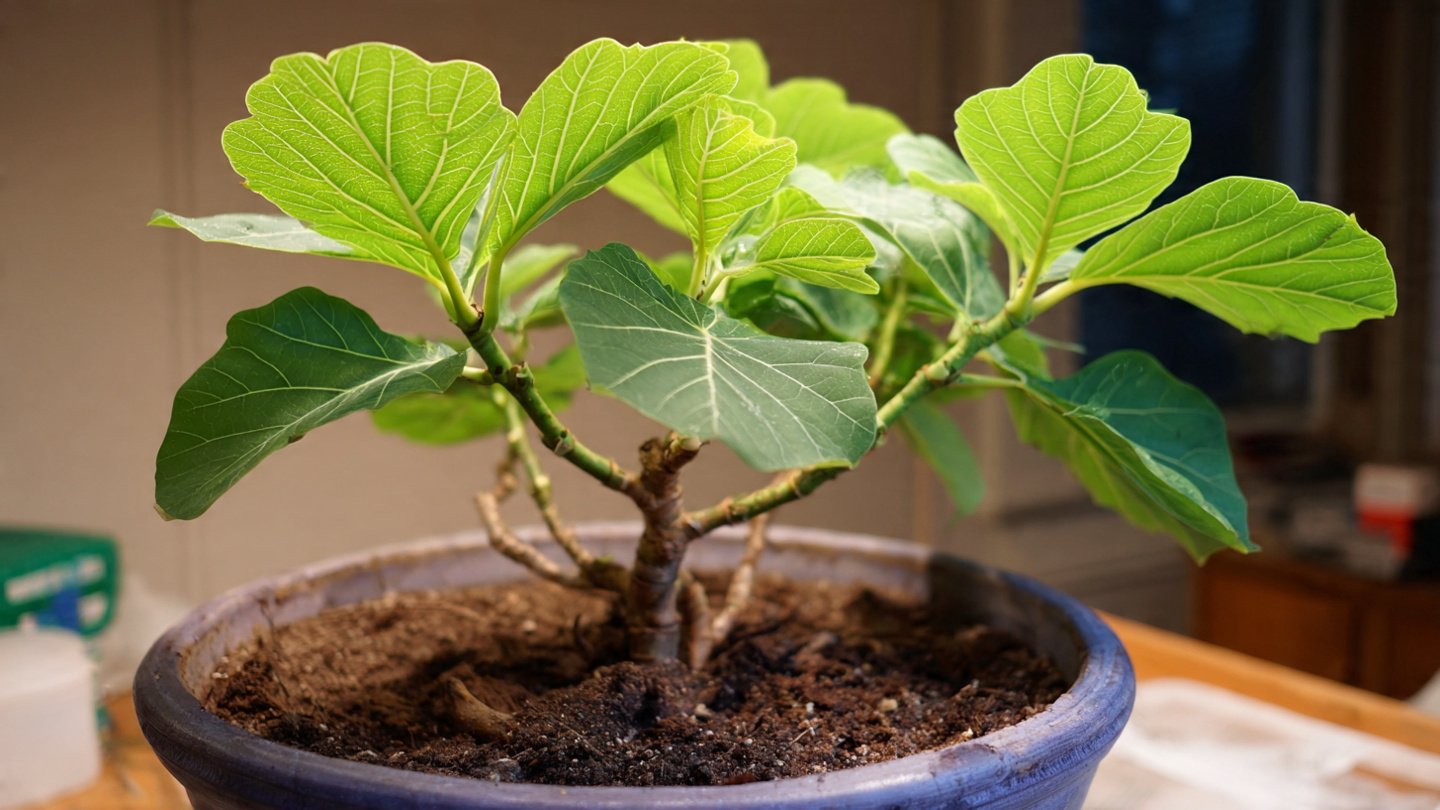
Fig trees (Ficus carica) are beloved for their lush foliage and delicious fruits. These trees are relatively easy to grow in warm climates and can be cultivated in many settings, from sprawling gardens to small patios. If you’re looking to accelerate the growth of your fig tree naturally, there are various techniques you can employ. This article outlines some of the best methods to encourage rapid growth while maintaining the health of the tree.
Understanding Fig Tree Growth
Before diving into techniques, it’s essential to understand the growth patterns of fig trees. They thrive in well-draining soil and prefer full sun exposure. Figs typically have a robust growing season that ranges from spring through early autumn. During this time, it’s crucial to support their growth with the right care.
Key Factors Influencing Growth
- Climate: Fig trees prefer warm, temperate climates. They require sunlight and tolerate drought, making them relatively low-maintenance.
- Soil Quality: Well-draining, slightly alkaline soil enriched with organic matter is optimal for fig tree growth.
- Watering: Regular and adequate watering is essential, especially in the first few years.
- Nutrient Supply: Figs benefit from increased nutrient availability through composting and natural fertilizers.
Techniques to Accelerate Fig Tree Growth
1. Selecting the Right Variety
Not all fig varieties grow at the same rate. Choosing a fast-growing variety like ‘Brown Turkey’ or ‘Celeste’ can set a robust foundation for healthy growth. Research local regulations and conditions to select a variety that’s most suited for your area.
2. Soil Preparation
Organic Matter: Enrich the soil with organic matter, such as compost or aged manure, which helps improve soil structure, drainage, and nutrient content.
Soil pH: Fig trees prefer a slightly acidic to neutral pH (around 6-7). Testing your soil and amending it accordingly can significantly enhance growth.
Mulching: Applying a layer of organic mulch helps retain moisture, suppress weeds, and gradually enrich the soil as it decomposes.
3. Proper Watering Techniques
Deep Watering: Fig trees thrive with deep but infrequent watering. This encourages roots to grow deep into the soil, making the tree more resilient. Aim for about 1 inch of water per week.
Drip Irrigation: Installing a drip irrigation system ensures the roots receive consistent moisture without oversaturation, thus preventing root rot.
Drought Tolerance: Once established, fig trees are relatively drought-tolerant. Be cautious not to overwater, especially in rainy seasons.
4. Fertilization
Natural Fertilizers: Use organic fertilizers like fish emulsion or seaweed extract that are rich in nutrients but low in salts. These encourage overall plant health without overwhelming the tree.
Composting: Regularly adding compost provides a slow release of nutrients, supporting the tree’s growth throughout the season.
Mulch as Fertilizer: As previously mentioned, organic mulch can break down over time to supply continuous nutrients.
5. Pruning Techniques
Delay Heavy Pruning: For young fig trees, avoid heavy pruning until they are well-established. This can stunt growth during the early years.
Regular Maintenance: Light pruning helps shape the tree and encourages new growth. Remove dead, damaged, or crossing branches to improve air circulation and light penetration.
Summer Pruning: This is effective in slowing down the tree’s growth to allow for more fruit production. Cutting back new, vigorous growth in late summer can redirect energy into fruit-bearing.
6. Pest and Disease Management
Natural Pest Control: Introduce beneficial insects like ladybugs or lacewings that feed on fig pests, rather than using chemical pesticides, which can stunt growth.
Companion Planting: Planting herbs like basil or marigolds nearby can repel pests and improve overall plant health.
Disease Prevention: Ensure good air circulation around the tree and avoid overhead watering to minimize risk of fungal diseases.
7. Supporting Pollination
Most fig varieties are self-pollinating but having a diverse garden can improve pollination success. Planting companion plants that attract pollinators, like bees, can further enhance fruit set.
8. Optimal Sun Exposure
Figs thrive best in full sun, needing at least 6-8 hours a day. If planted in a less-than-ideal location, consider transplanting to a sunnier spot or thinning surrounding trees for better light access.
9. Use of Growth Hormones
While not strictly natural, using plant growth regulators (PGRs) derived from natural sources can stimulate growth if applied judiciously. Always follow guidelines to avoid over-stimulation.
10. Seasonal Care
Winter Protection: In colder climates, wrap the tree trunk with burlap or frost cloth to protect it from freezing temperatures. Mulching around the base can help insulate roots.
Spring Awakening: Remove any winter protection as the tree starts to leaf out in the spring. This encourages new growth as the weather warms.
Frequently Asked Questions (FAQs)
Q1: How long does it take for a fig tree to bear fruit?
A1: Fig trees typically take about 2 to 6 years to start producing fruit, depending on the variety and conditions.
Q2: Can I grow a fig tree in a pot?
A2: Yes, fig trees can adapt well to pot growth. Use a large container with good drainage and ensure the tree receives enough sunlight.
Q3: What is the best time to plant fig trees?
A3: The ideal time to plant fig trees is in the spring, once the danger of frost has passed.
Q4: How much space does a fig tree need?
A4: Fig trees can grow quite large; generally, they need about 10 to 15 feet of spacing to allow for ample sunlight and airflow.
Q5: Why are my fig tree leaves turning yellow?
A5: Yellowing leaves may indicate overwatering, poor drainage, or nutrient deficiency. Check the soil moisture level and adjust your watering schedule.
Q6: Can fig trees grow in shade?
A6: Fig trees prefer full sun and may suffer in shaded conditions. While they can survive in partial shade, growth may be stunted.
Q7: How often should I fertilize my fig tree?
A7: Fertilizing once in early spring and again in mid-summer is generally sufficient, but always monitor for signs of nutrient deficiency.
Q8: What pests should I be aware of with fig trees?
A8: Common fig tree pests include fig beetles, aphids, and spider mites. Regular inspection and using natural predators help manage these pests.
Conclusion
Growing a healthy and fruitful fig tree is a rewarding endeavor that, when executed with natural methods, can yield delicious results. By implementing the techniques outlined above—ranging from proper selection and soil preparation to pest management—you can accelerate the growth of your fig tree naturally. With patience and care, you’ll soon enjoy a bountiful harvest from your thriving fig tree.