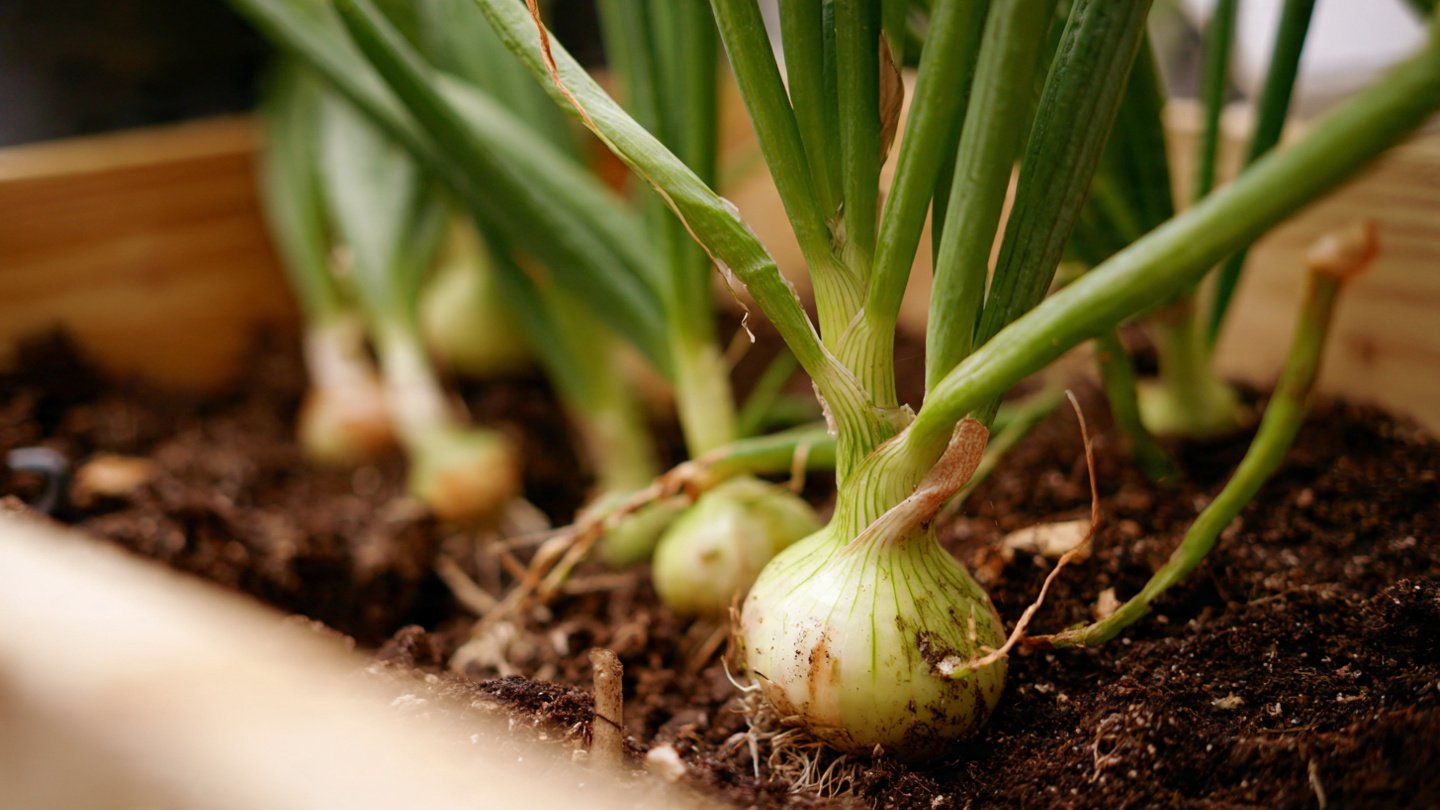
Growing onion greens at home is not only rewarding but also an easy way to enhance your culinary creations. Whether you’re a seasoned gardener or a beginner, cultivating fresh onion greens can be done with minimal effort and resources. In this article, we will explore various methods for growing onion greens, ideal conditions for growth, maintenance tips, and how to ensure maximum harvest.
Understanding Onion Greens
Onion greens, also known as scallions or green onions, are the edible green tops of onion plants. Unlike mature onions, which are harvested for their bulbs, the greens are prized for their mild flavor and versatility in the kitchen. They can be used fresh in salads, cooked in stir-fries, or as a garnish for soups and other dishes. Growing onion greens at home not only provides a delicious addition to your meals but can also save you money at the grocery store.
Benefits of Growing Onion Greens at Home
-
Cost-Effective: Homegrown onion greens are a cost-effective way to add flavor to your meals without the recurring expense of store-bought items.
-
Freshness: Nothing beats the taste of fresh greens harvested straight from your garden or window sill.
-
Healthy: Onion greens are low in calories but rich in vitamins and minerals, making them a healthy addition to your diet.
-
Sustainability: Growing your own herbs and vegetables is an environmentally friendly way to source your food.
-
Convenience: Having onion greens readily available at home means you can use them anytime without worrying about spoilage.
Methods to Grow Onion Greens
1. From Kitchen Scraps
One of the simplest methods to grow onion greens is to use the roots of store-bought green onions.
Steps:
- Purchase Green Onions: Look for fresh green onions with healthy roots.
- Cut the Greens: Trim the green tops to the desired height, leaving about 2 inches of the white root intact.
- Place in Water: Submerge the roots in a glass of water, ensuring the green tops are above the waterline.
- Put in Sunlight: Place the glass in a sunny location, such as a windowsill.
- Change Water: Change the water every few days to keep it fresh.
Harvesting: In about a week, you’ll see new growth. Harvest by cutting off the greens as needed; the roots will continue to produce new shoots.
2. Using Seeds
Growing onion greens from seeds is another straightforward method that yields a larger harvest.
Steps:
- Select Your Seeds: Choose onion seed varieties specifically for green tops, as they grow faster and yield more greens.
- Prepare Your Soil: Use well-draining soil enriched with compost.
- Sow Seeds: Plant seeds about ¼ to ½ inch deep and space them 1 inch apart in rows.
- Watering: Water gently and keep the soil consistently moist but not waterlogged.
- Light: Place in a location that receives at least 6-8 hours of sunlight daily.
Maintenance: Thin the seedlings when they are about 3 inches tall, ensuring that you leave enough space between each plant.
Harvesting: You can start harvesting the greens when they reach about 6-8 inches tall, usually within 6-8 weeks after planting.
3. Transplanting Bulbs
Another effective method involves using onion bulbs planted specifically for green tops.
Steps:
- Buy Small Bulbs: Purchase small onion bulbs, often sold as “sets” at garden centers.
- Prepare Your Garden Bed or Pots: Ensure good drainage and enrich soil with compost.
- Plant the Bulbs: Plant bulbs with the pointed end facing up, burying them about 1 inch deep. Space them 3-4 inches apart.
- Watering: Water after planting, and keep the soil consistently moist.
Maintenance: Apply a balanced fertilizer every 4-6 weeks for enhanced growth and health.
Harvesting: When the greens stand about 8-10 inches tall, you can start harvesting them, cutting only what you need.
Ideal Conditions for Growing Onion Greens
1. Soil
Onions prefer loose, well-draining soil rich in organic matter. Adding compost is beneficial as it improves nutrient content and drainage.
2. Light
Onion greens thrive in full sunlight. Ensure they receive at least 6-8 hours of direct sunlight a day.
3. Watering
Regular watering is crucial, especially during dry spells. However, avoid overwatering, as soggy soil can lead to rot.
4. Temperature
Onions grow best in cooler temperatures, ideally between 60°F to 75°F (15°C to 24°C). In warmer climates, provide some shade during the hottest parts of the day.
Maintenance Tips for Maximum Harvest
-
Fertilization: Use a balanced, slow-release fertilizer every 4-6 weeks to promote healthy growth. Organic options like fish emulsion or compost tea work well.
-
Weeding: Keep the planting area free from weeds to reduce competition for nutrients and water.
-
Mulching: Apply a layer of mulch around your plants to help retain moisture and suppress weeds.
-
Pest Management: Regularly check for pests like aphids or onion flies. Introduce beneficial insects like ladybugs or use insecticidal soap if necessary.
-
Cutting: Harvesting by cutting leaves instead of pulling them out allows the plant to continue growing and producing more greens.
Harvesting Onion Greens
Harvest onion greens carefully to ensure continued production. Cut the greens at the base, leaving about 1 inch of the green stem above the bulb or root. This encourages additional growth.
Storage Tips
Freshly harvested onion greens can be stored in the refrigerator for up to a week. Place them in a plastic bag or container with a damp paper towel to maintain moisture. Alternatively, you can chop and freeze them in ice cube trays for later use.
FAQs
1. How long do onion greens take to grow?
Onion greens take about 6-8 weeks to reach harvestable height when grown from seeds or bulbs.
2. Can I grow onion greens indoors?
Yes, onion greens can easily be grown indoors on a sunny windowsill. Use pots with good drainage and ensure they get adequate light.
3. How often should I water my onion greens?
Water your onion greens regularly, keeping the soil consistently moist but not waterlogged. The frequency may vary based on weather conditions.
4. Why are my onion greens turning yellow?
Yellowing can result from overwatering, a lack of nutrients, or insufficient light. Check soil moisture levels and ensure adequate sunlight and fertilization.
5. Can I regrow onion greens from the same roots multiple times?
Yes, as long as the roots remain healthy and you continue to change the water, onion greens can be regrown multiple times, but the yield may decrease with each growth cycle.
6. Are onion greens the same as chives?
No, while both belong to the allium family, onion greens and chives have different flavors and characteristics. Chives are more delicate and have a milder taste compared to onion greens.
7. Can I plant onion greens in the same spot year after year?
It is best to practice crop rotation. Planting onions in the same spot year after year can lead to soil depletion and pest problems.
Conclusion
Growing onion greens at home is a straightforward process that can yield delicious results. By following the methods outlined above and providing the right care, you can enjoy a continuous supply of fresh greens to enhance your meals. Not only does gardening offer numerous benefits, but it also connects you to the food you consume, fostering a deeper appreciation for healthy eating. So grab your seeds, bulbs, or kitchen scraps, and start cultivating your own onion greens today!