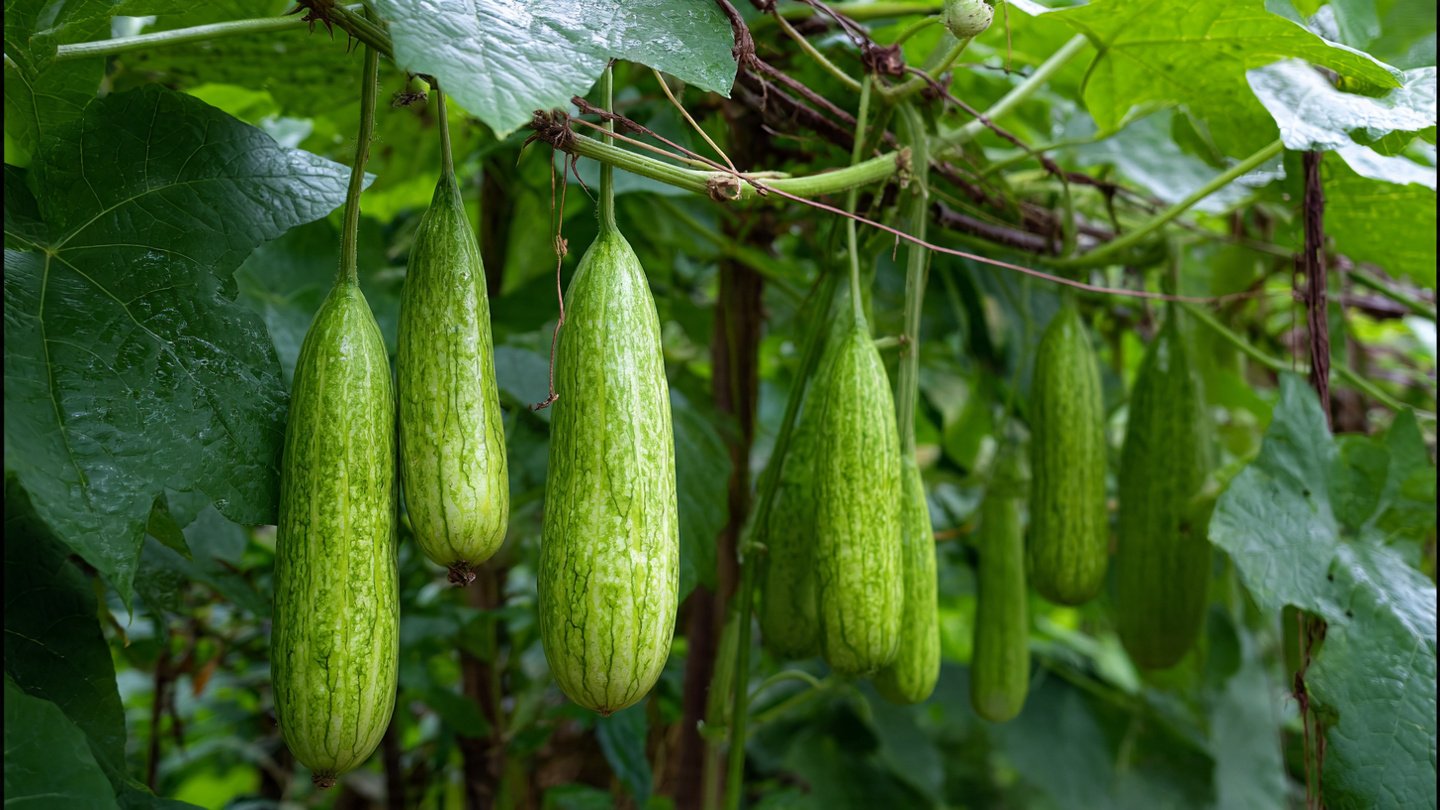
Growing your own fresh produce can be incredibly rewarding, especially when it comes to unique and flavorful vegetables like snake gourd, also known as “long cucumber” or “ribbon gourd.” This Asian vine, scientifically known as Trichosanthes cucumerina, is not just versatile in culinary applications; it also offers various health benefits. If you’re looking to grow long snake gourd fruits in your garden, you’ll be pleased to know that there are some effective strategies you can implement. This article will delve deep into the best practices and easy hacks to successfully cultivate long snake gourd fruits.
Understanding Snake Gourd
Before jumping into the growing techniques, it’s essential to understand what snake gourd is. Originating from tropical regions of Asia, snake gourd is known for its elongated, serpentine shape and vibrant green color. The fruits can grow up to 3 feet long and are typically harvested when they are immature to enjoy their tender flesh. They are rich in vitamins, minerals, and fiber, making them a healthy addition to your diet.
Snake gourd can be used in stir-fries, soups, and salads, offering a mild taste that complements various dishes. With rising interest in home gardening, many enthusiasts are trying their hand at growing this unique vegetable, and for good reason.
Choosing the Right Location
Sunlight Requirements
Snake gourd thrives in warm, sunny locations. Choose a spot in your garden that receives at least 6-8 hours of direct sun daily. This exposure will ensure vigorous growth and help in the fruit-setting process.
Soil Conditions
Soil plays a crucial role in the successful cultivation of snake gourd. Here are key factors to consider:
-
Well-draining Soil: Snake gourd prefers loamy soil that drains well. Waterlogged conditions can lead to root rot, so ensure that your planting area has good drainage.
-
pH Levels: Aim for a pH range of 6.0 to 7.5. You can perform a simple soil test to determine your soil’s pH and make amendments as necessary.
Preparing the Soil
Prior to planting, it’s vital to prepare your soil properly. Here are the steps to follow:
-
Clear the Area: Remove any weeds, rocks, and debris from the planting site.
-
Tilling: Loosen the soil to a depth of about 12 inches. This can be done using a garden fork or tiller.
-
Adding Organic Matter: Enrich your soil by incorporating organic matter such as compost or well-rotted manure. This will improve soil structure, aeration, and nutrient availability.
-
Fertilization: A balanced fertilizer high in nitrogen should be incorporated into the soil to boost initial growth.
Planting Snake Gourd
Seed Selection
Choosing high-quality seeds is crucial. Look for reputable sources that offer snake gourd seeds as they can ensure better germination rates and healthy plants.
Direct Sowing vs. Transplanting
You can either sow seeds directly in the garden or start them indoors for transplanting. Here’s a quick rundown of both methods:
-
Direct Sowing: Plant seeds about 1 inch deep in rows spaced 3 feet apart. Water thoroughly after planting.
-
Transplanting: Start seeds indoors about 4-6 weeks before the last frost. Use biodegradable pots to minimize transplant shock. When seedlings are 4-6 inches tall, transplant them outdoors.
Spacing
Snake gourd plants require ample space to grow. Space the plants about 2-3 feet apart to facilitate airflow and ensure they have enough room to spread out.
Watering Techniques
Snake gourd requires consistent moisture, particularly during the growing season. However, overwatering can be detrimental. Here are some guidelines for effective watering:
- Frequency: Water deeply once or twice a week, depending on rainfall and soil moisture levels.
- Mulching: Apply a layer of organic mulch around the base of the plants. This will help retain soil moisture, suppress weeds, and regulate soil temperature.
- Drip Irrigation: Consider implementing a drip irrigation system. This approach ensures that water reaches the roots directly, minimizing evaporation and waste.
Supporting the Plants
Trellising Techniques
Given their vine-like growth, snake gourd plants benefit significantly from a sturdy trellis. Setting up a trellis helps support the weight of the fruits and encourages upward growth. Here’s how to do it:
- Materials: Use materials like wooden stakes, tomato cages, or wire mesh.
- Height: Aim for a trellis height of at least 6-7 feet to accommodate the long growth of snake gourd fruits.
- Training: As the plants grow, gently train the vines to climb the trellis to ensure even exposure to sunlight and air circulation.
Managing Pests and Diseases
Common Pests
Like any other garden plant, snake gourd is prone to various pests. Keep an eye out for:
- Aphids: These small insects can be controlled using insecticidal soap or neem oil.
- Spider Mites: Regularly check undersides of leaves and maintain humidity to deter them.
- Whiteflies: Use sticky traps or introduce natural predators like ladybugs.
Diseases
Some common diseases affecting snake gourd include:
- Powdery Mildew: This fungal disease can be prevented by ensuring good air circulation and not overwatering.
- Root Rot: Overwatering or poor drainage can cause this. Ensure your soil drains well and water only when necessary.
Harvesting the Fruits
Once your snake gourd plants begin to bear fruit, harvesting becomes a thrilling part of the gardening experience. Here’s how to know when to harvest:
- Timing: Harvest the fruits about 2-3 weeks after flowering. Young fruits should be around 12-18 inches long and before they turn yellow or begin to harden.
- Method: Use a sharp knife or pruners to cut the fruit from the vine cleanly, ensuring minimal damage to the plant.
Conclusion
Mastering the art of growing long snake gourd fruits requires a combination of knowledge, patience, and careful nurturing. By following these easy hacks—from selecting the right location and preparing the soil to managing pests and harvesting—you can enjoy a bountiful harvest of this unique vegetable.
Whether you’re an experienced gardener or just starting your journey, snake gourd offers an exciting opportunity to diversify your vegetable garden while reaping its health benefits. So, roll up your sleeves, get your hands dirty, and embark on the rewarding adventure of growing your own long snake gourd fruits! Happy gardening!