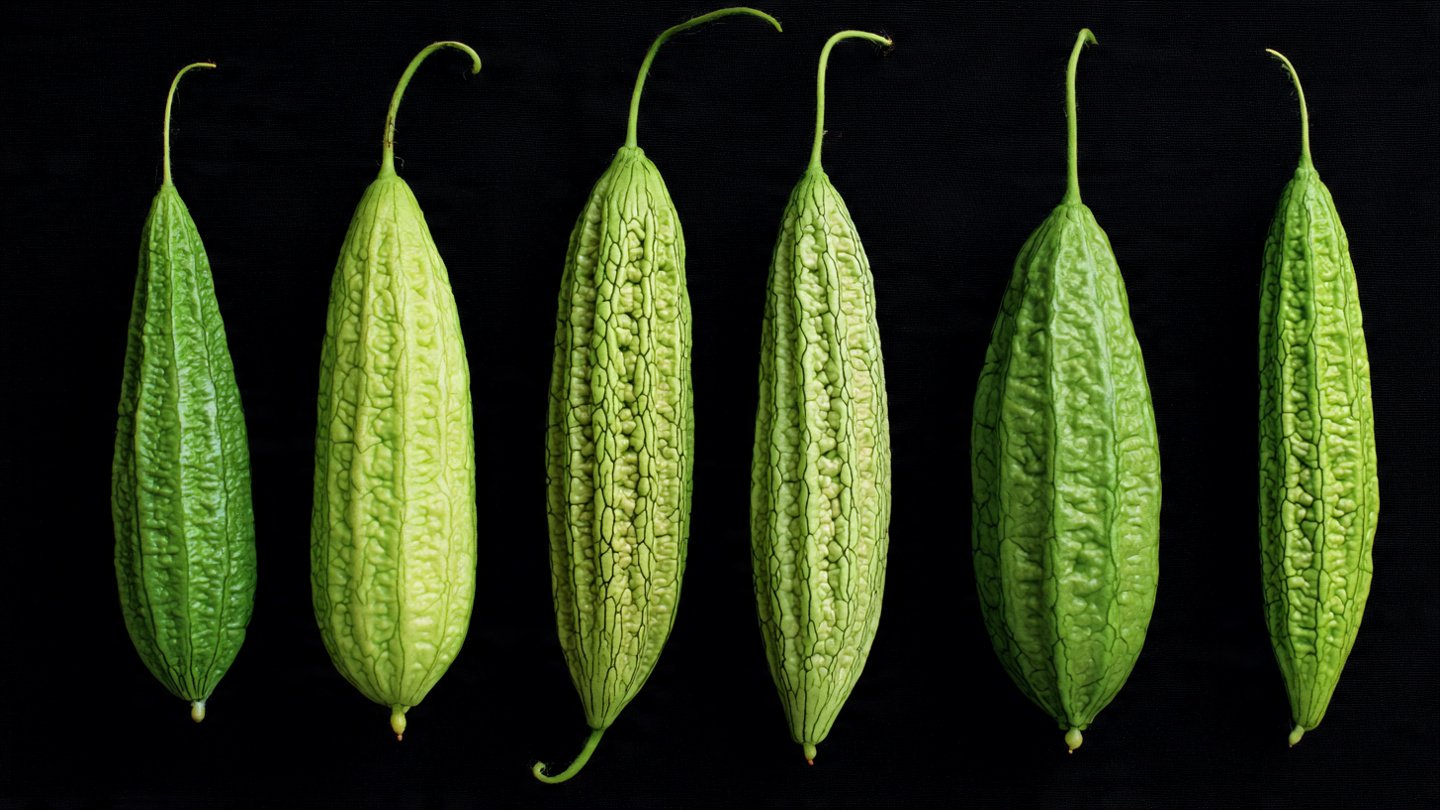
Gardening is a fulfilling hobby that connects you to nature, providing the joy of growing your own food while enhancing your landscape. One of the fascinating vegetables you can grow is the snake gourd, also known as “trichosanthes cucumeroides.” This remarkable plant is highly prized not just for its culinary uses, but also for its unique physical appearance and vine-like growth. In this article, we will explore practical tips and hacks to successfully cultivate long snake gourd fruits in your garden, ensuring a bountiful harvest.
Understanding Snake Gourd
The snake gourd is a tropical vine that can stretch astounding lengths—up to 14 feet or more! This prolific climber originates from the Indian subcontinent and thrives in a warm, tropical climate. Its fruits are long, slender, and often curled, resembling snakes, which is how it got its name. Beyond its striking appearance, snake gourd is a nutritious vegetable rich in vitamins A and C, minerals, and dietary fiber. In addition to its culinary uses in various dishes, the snake gourd has medicinal properties, making it a beneficial addition to your garden.
Choosing the Right Location
To grow healthy snake gourds, selecting the right location is vital. Here are key factors to consider:
Sunlight
Snake gourds love full sunlight. Aim for a spot that receives at least 6 to 8 hours of direct sunlight each day. This will ensure that the plants photosynthesize effectively, leading to robust growth and fruit production.
Soil Quality
Snake gourds do best in well-draining, fertile soil with a pH between 6.0 and 7.0. Before planting, consider amending your soil with compost or well-rotted manure to enrich it with nutrients. This will provide a suitable environment for the plants to grow.
Space
These vines require ample space to spread and climb. Ensure you have a structure like a trellis, fence, or arch for the vines to latch on to as they grow. This not only supports the fruit but also improves air circulation and reduces the risk of disease.
Preparing the Soil
Good preparation of the soil can significantly impact the growth of snake gourd plants. Follow these steps:
-
Soil Testing: Perform a pH test and nutrient assessment of your garden soil. This information helps you determine necessary amendments.
-
Tilling: Loosen the soil by tilling it to a depth of at least 12 inches. This allows roots to penetrate more easily.
-
Amendments: Mix in organic matter, such as compost or well-rotted manure, to boost the nutrient content and improve drainage.
-
Raised Beds: If your soil has poor drainage, consider using raised garden beds. This not only improves drainage but can also warm the soil faster in the spring.
Planting Techniques
Seeds or Seedlings
You can start snake gourd from seeds or young plants. Seeds can be sown directly in the ground after the last frost, or you can start them indoors a few weeks before the last frost date.
-
Seeds: Soak seeds in water for 24 hours before planting to enhance germination. Sow about 1 inch deep, spacing the seeds 2-3 feet apart in rows.
-
Seedlings: If starting indoors, transplant seedlings after they have developed 2-3 true leaves and the weather is warm.
Planting Time
The best time to plant snake gourd is during the late spring or early summer when soil temperatures are consistently warm (70°F to 85°F). In cooler climates, starting seeds indoors can extend your growing season.
Watering
Consistent watering is crucial for snake gourd plants. Here’s how to ensure optimal moisture levels:
-
Frequency: Water the plants deeply once or twice a week, depending on rainfall. The goal is to keep the soil consistently moist, but not waterlogged.
-
Mulching: Apply a layer of organic mulch around the plants to conserve moisture and suppress weeds.
-
Drip Irrigation: If possible, consider using a drip irrigation system to ensure that the soil remains moist without overwatering.
Fertilization
Snake gourds benefit from a balanced fertilization regime. Here’s a guideline:
-
Initial Fertilizer: Apply a balanced fertilizer (like 10-10-10) at planting time to promote initial growth.
-
Mid-Season Boost: Fertilize again once the plants begin to flower, using a phosphorus-rich fertilizer to encourage fruiting.
-
Organic Options: Compost teas or fish emulsion can work wonders as organic alternatives.
Trellising Techniques
Providing adequate support for your snake gourd plants is essential for healthy growth and fruit development. Here are some effective trellising techniques:
-
Trellis Height: Build a trellis at least 5-6 feet high. This allows the plants to climb and encourages better air circulation.
-
Training the Vines: Gently guide the young vines towards the trellis. Use soft ties to secure them if necessary.
-
Vertical Gardening: Growing vertically maximizes your space and prevents pests, allowing easy access to the fruits.
Pest and Disease Management
Like all plants, snake gourds are susceptible to various pests and diseases. Here are tips for keeping your plants healthy:
Common Pests
- Aphids: These can be controlled using neem oil or insecticidal soap.
- Cucumber Beetles: Hand-pick these pests or use row covers to prevent them.
Diseases
- Powdery Mildew: This is common in humid conditions; ensure good air circulation and avoid overhead watering. Use fungicides if necessary.
Prevention
- Crop Rotation: Avoid planting snake gourds in the same area year after year to minimize disease buildup.
- Cleanliness: Keep the growing area clean by removing fallen leaves and debris that can harbor pests.
Harvesting Snake Gourd
Knowing when and how to harvest snake gourd is crucial to enjoying its best flavor:
-
Timing: Harvest fruits when they are still young and tender, usually around 1-2 feet long. If left too long, they will become tough and seedy.
-
Method: Use garden shears to cut the fruits from the vine, ensuring you do not damage the plant in the process.
-
Storage: Store harvested snake gourds in a cool, dry place. They can last for several weeks if stored properly.
Culinary Uses
The versatility of snake gourd in culinary applications is another reason to grow this vegetable. Here are a few popular ways to use snake gourd:
- Curries: It’s commonly used in Indian curries along with spices like turmeric and cumin.
- Soups: Snake gourd can add depth to vegetable soups, thanks to its subtle flavor.
- Stir-fry: Slice and sauté with other vegetables for a nutritious stir-fry dish.
Conclusion
Growing long snake gourd fruits can be a rewarding experience, offering both beauty and culinary delights. By understanding the specific needs of this plant and implementing effective strategies—from soil preparation to pest management—you can cultivate a thriving snake gourd garden. With patience and care, you will soon master the easy hack to enjoy a bountiful harvest of this unique vegetable! Happy gardening!