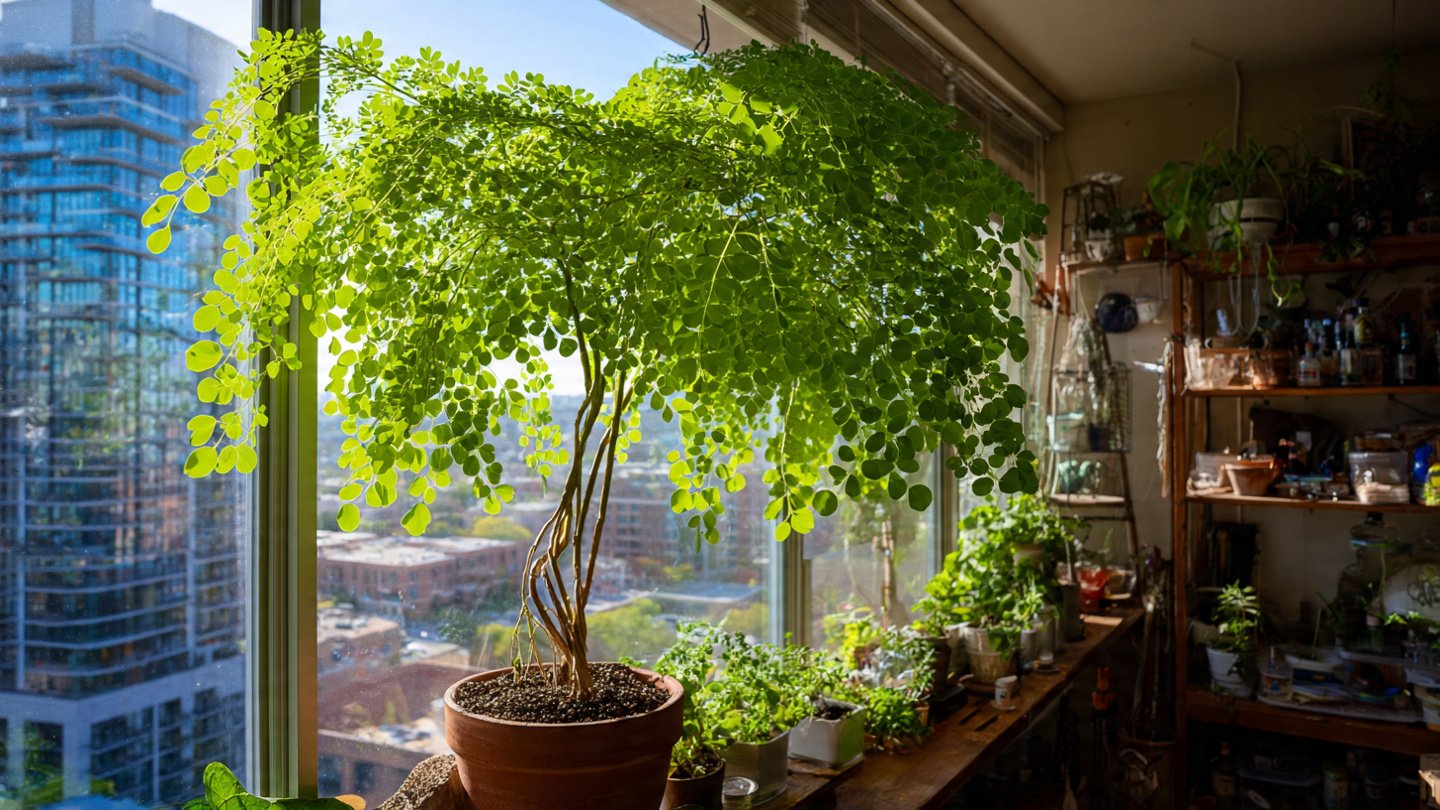
Urban gardening is becoming increasingly popular as more people seek ways to grow their own food. One remarkable plant that’s drawing attention in this context is the dwarf Moringa tree, also known as the “drumstick tree” or “miracle tree.” This versatile plant is not only easy to grow but also packed with nutrients, making it an excellent choice for urban dwellers looking to optimize their limited space.
Understanding Dwarf Moringa
What is Dwarf Moringa?
Dwarf Moringa (Moringa oleifera) is a smaller variety of the Moringa tree, specifically bred for container gardening and smaller spaces. It typically reaches a height of 3 to 6 feet, making it ideal for balcony gardens. Moringa is known for its rich nutritional profile, containing essential vitamins, minerals, and antioxidants. The leaves, pods, and flowers are all edible and have been used in traditional medicine for centuries.
Nutritional Benefits
The leaves of the dwarf Moringa tree are a powerhouse of nutrients. They are rich in:
- Vitamins: A, C, and several B vitamins
- Minerals: Calcium, iron, magnesium, and potassium
- Antioxidants: Quercetin, chlorogenic acid, and beta-carotene
This nutritional richness makes Moringa a popular supplement for improving overall health, complementing diets, and even aiding in weight loss.
Preparing for Balcony Gardening
Selecting the Right Location
Before diving into the growth of Moringa, it’s essential to choose the right spot on your balcony. Moringa thrives in full sunlight, so select a location that receives at least 6-8 hours of direct sunlight each day. Take into account the surrounding buildings and trees that may cast shadows during the day.
Container Choices
Given its compact size, dwarf Moringa can be successfully grown in various containers. Here are some container options:
- Pots: Use at least a 5-gallon pot to provide sufficient root space. Ensure it has drainage holes to prevent waterlogging.
- Raised Beds: For those with larger balconies, a raised bed can offer more growing space.
- Vertical Garden Units: Consider using these to maximize vertical space while allowing for multiple plants.
Soil Preparation
Using the right soil mix is crucial for successful Moringa growth. A well-draining, nutrient-rich potting mix is recommended. You can make your own by mixing:
- 40% potting soil
- 30% perlite or coarse sand
- 30% compost
This mixture ensures good aeration and drainage while providing essential nutrients.
Planting Dwarf Moringa
Seeds vs. Seedlings
You can grow dwarf Moringa from seeds or seedlings. Here’s a comparison:
-
Seeds: Plant seeds directly in the potting mix. Soak them in water for a few hours before planting to improve germination rates. Place them about an inch deep and water lightly; germination can take 1-2 weeks.
-
Seedlings: If you choose to start with seedlings, select young plants from a nursery. Transplant them carefully, ensuring minimal disruption to the roots.
Watering Technique
Dwarf Moringa is relatively drought-tolerant, but consistent watering is vital, especially during its early growth stages. Water the plant thoroughly but allow the top inch of soil to dry out before watering again. Overwatering can lead to root rot, so balance is key.
Caring for Your Moringa Plant
Fertilization
Although Moringa can thrive in lean soils, a balanced fertilizer can enhance its growth. Use a diluted liquid fertilizer every 4-6 weeks during the growing season (spring and summer). Look for fertilizers high in potassium, like a 5-5-10 formulation, as potassium promotes flowering and fruiting.
Pruning and Shaping
Regular pruning encourages bushier growth and increases leaf production. You can start pruning when the plant reaches about 2 feet in height. Cut back the stems to promote side branching. This is also a great way to harvest leaves for culinary use without damaging the plant.
Pest and Disease Management
Moringa is generally resistant to pests, but issues can arise. Common pests include aphids and spider mites. Regular leaf inspections can help catch infestations early. If pests are detected, use insecticidal soap or neem oil as a natural remedy.
Additionally, ensure good air circulation around your plants to prevent fungal issues. Avoid overcrowding pots on your balcony, as this can lead to humidity buildup.
Harvesting Dwarf Moringa
Optimal Harvesting Time
Dwarf Moringa can usually be harvested within 3-4 months after planting. The leaves can be harvested anytime the plant has reached a height of at least 2 feet. The best time to collect leaves is in the morning when they are crisp and flavorful.
Leaf Collection
To harvest leaves, either pinch them off or use scissors to cut sprigs. Be sure not to remove more than one-third of the plant at a time to allow for continued growth.
Flower and Pod Harvesting
If allowed to flower, the flowers and pods are also edible. The flowers bloom in clusters and can be harvested when fully open. Moringa pods, which resemble drumsticks, can be harvested when young and tender.
Potential Challenges and Solutions
Weather Considerations
Moringa is sensitive to cold temperatures, which can impede growth or kill the plant. If you live in a cooler climate, it’s advisable to bring your dwarf Moringa indoors during the winter months or provide ample protection against frost.
Space Limitations
Growing on a balcony means limited space, which can be a challenge as your plant grows. Regular pruning will help maintain a manageable size and promote bushier growth, making the most of your limited area.
Time Commitment
Urban gardening requires a certain level of commitment. Allocate time for watering, pruning, and harvesting. However, with careful planning and organization, maintaining a dwarf Moringa plant can be rewarding without being overwhelming.
Incorporating Moringa into Your Diet
Culinary Uses
Dwarf Moringa is not only a beautiful addition to your balcony but also a fantastic culinary asset. The leaves can be used in various dishes, including:
- Salads: Fresh Moringa leaves add a nutritious kick to salads.
- Smoothies: Blend leaves into smoothies for added nutrients.
- Soups and Stews: Cooked leaves can enhance the flavor and nutrition of soups.
- Tea: Steep dried Moringa leaves to make a health-boosting tea.
Supplements
If you don’t have adequate space for a garden or prefer convenience, consider purchasing Moringa powder or capsules. These supplements preserve the plant’s nutrients and can be easily added to your daily diet.
Conclusion
Mastering the dwarf Moringa balcony method can lead to a thriving urban garden, even in small spaces. The combination of nutritional benefits, ease of care, and culinary versatility makes it an attractive option for urban gardeners. With careful planning, consistent care, and a little patience, anyone can successfully grow this remarkable plant on their balcony, contributing to a healthy, sustainable urban lifestyle. So, why not start your journey with dwarf Moringa today? The rewards await you!