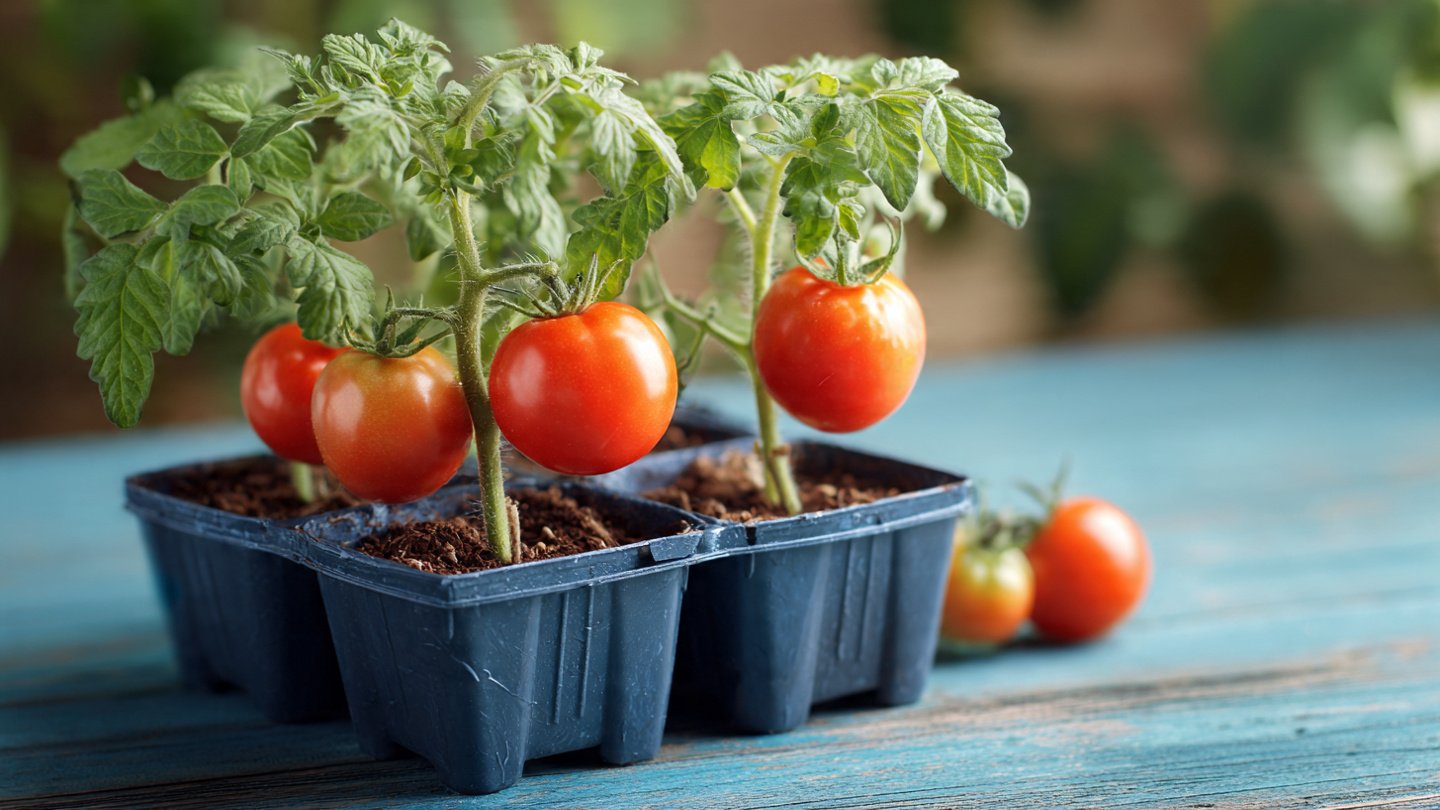
Growing tomatoes from cuttings is a straightforward and rewarding endeavor that allows gardeners to propagate their favorite varieties with relative ease. This method not only preserves desirable traits of the parent plant but also enables gardeners to expand their garden without the cost of purchasing new seedlings. In this article, we will explore the simple way to grow tomatoes from cuttings, providing you with a comprehensive guide on the process, benefits, and tips for successful propagation.
Understanding the Basics
Before diving into the process of growing tomatoes from cuttings, it is essential to understand a few basic concepts. Tomato plants (Solanum lycopersicum) are annuals that thrive in warm climates, making them a popular choice for home gardeners. They can be grown from seeds or cuttings, with both methods having unique advantages.
Advantages of Growing from Cuttings
-
Genetic Consistency: Unlike seeds, which may produce offspring with variations (especially in heirloom varieties), cuttings ensure that you have a plant genetically identical to the parent.
-
Faster Results: Cuttings typically root faster than seeds germinate, allowing you to produce new plants and start your crop sooner.
-
Cost-Effective: By taking cuttings from existing plants, gardeners save money on new seeds or seedlings.
-
Preservation of Favorite Varieties: If you have a favorite tomato variety that performs exceptionally well in your garden, growing from cuttings allows for the preservation of that plant’s characteristics.
The Right Time for Taking Cuttings
The best time to take tomato cuttings is during the growing season when the plant is actively developing. This typically occurs in late spring or early summer, when the weather is warm and the plant has established a healthy growth pattern. Avoid taking cuttings from stressed plants; healthy, vigorous plants yield better results.
The Step-by-Step Process
Growing tomatoes from cuttings is an uncomplicated process involving a few key steps. Let’s break them down.
Step 1: Select the Right Parent Plant
Choose a healthy, disease-free tomato plant that exhibits the characteristics you desire, such as fruit size, flavor, or disease resistance. Look for a plant that is robust and has plenty of stems to provide cuttings.
Step 2: Preparing the Cuttings
-
Tools Needed: Gather a sharp, clean pair of scissors or pruning shears and a small container filled with water. You may also need a potting mix, if planting the cuttings directly.
-
Taking Cuttings: Identify a stem that is at least 4 to 6 inches long. Using your scissors, cut just below a leaf node—a point where leaves attach to the stem. This is critical as the nodes will help develop roots.
-
Removing Lower Leaves: Snip off the lower leaves, leaving only one or two sets of leaves at the top. This minimizes moisture loss and focuses the plant’s energy on root development.
Step 3: Rooting the Cuttings
There are two common methods for encouraging your tomato cuttings to root: water propagation and soil propagation.
A. Water Propagation
-
Placing in Water: Place the cutting in a glass or container filled with water, ensuring that the leaf nodes are submerged while the remaining leaves are above the water.
-
Location: Set the container in a bright location but away from direct sunlight, which can heat the water and damage the cutting.
-
Monitoring: Change the water every few days to prevent stagnation. After about one to two weeks, you should see roots starting to develop.
B. Soil Propagation
-
Planting the Cuttings: Fill a small pot with a well-draining potting mix. Create a small hole in the center with your finger or a stick, then gently insert the cutting into the hole.
-
Watering: Water the cutting lightly after planting to settle the soil around the stem, then cover it with a plastic bag or a clear plastic dome to create a humid environment.
-
Monitoring: Keep the soil moist (but not waterlogged) and place the pot in a location with bright indirect sunlight. Roots should start developing within a couple of weeks.
Step 4: Transplanting and Care
Once your cuttings have established a healthy root system (about 2-4 inches long), they are ready to be transplanted outdoors or into larger pots.
A. Hardening Off
Before transplanting directly into the garden, it’s important to harden off your plants. This process involves gradually acclimatizing them to outdoor conditions.
-
Start Indoors: For about a week, place your young plants outside for a few hours each day, gradually increasing their exposure to sunlight and outdoor temperatures.
-
Final Transplanting: After a week of hardening off, plant them in a prepared garden bed or larger pots, ensuring they are at the same depth they were in their rooting medium.
B. Ongoing Care
-
Watering: Ensure the young plants receive consistent moisture, especially during dry spells.
-
Fertilization: Once new growth appears, fertilize your plants with a balanced fertilizer to encourage healthy development.
-
Support: As their growth progresses, consider using cages or stakes to support the plants and keep them off the ground. This promotes air circulation and helps prevent disease.
-
Pest and Disease Management: Regularly inspect your plants for signs of pests or disease. Early intervention is key to maintaining a healthy garden.
Troubleshooting Common Issues
Even with the simplest methods, challenges can arise when growing tomatoes from cuttings. Here are some common issues and their solutions:
Root Rot
If your cuttings develop roots that are waterlogged or brown, they may be suffering from root rot. Ensure proper drainage for soil-propagated cuttings and change the water frequently for cuttings in water.
Wilting
Wilting can indicate either overwatering or underwatering. Check the moisture level in the soil or water and ensure your cuttings are receiving adequate light.
Slow Growth
If your cuttings are slow to root or grow, this could be due to insufficient light. Ensure they are in a bright location, ideally in direct sunlight for a few hours each day.
Disease
Keep an eye out for any signs of disease, such as yellowing leaves or spots. Use organic fungicides or remove affected leaves to prevent spread.
Conclusion
Mastering the simple way to grow tomatoes from cuttings can be a gratifying experience for any gardener. This method gives you the opportunity to replicate your favorite plants while saving money and promoting sustainability in your garden. With the right techniques and care, you can successfully propagate new tomato plants that will thrive and produce delicious fruit for your harvest. Embrace the joy of gardening and enjoy the fruits (literally!) of your labor. Happy gardening!