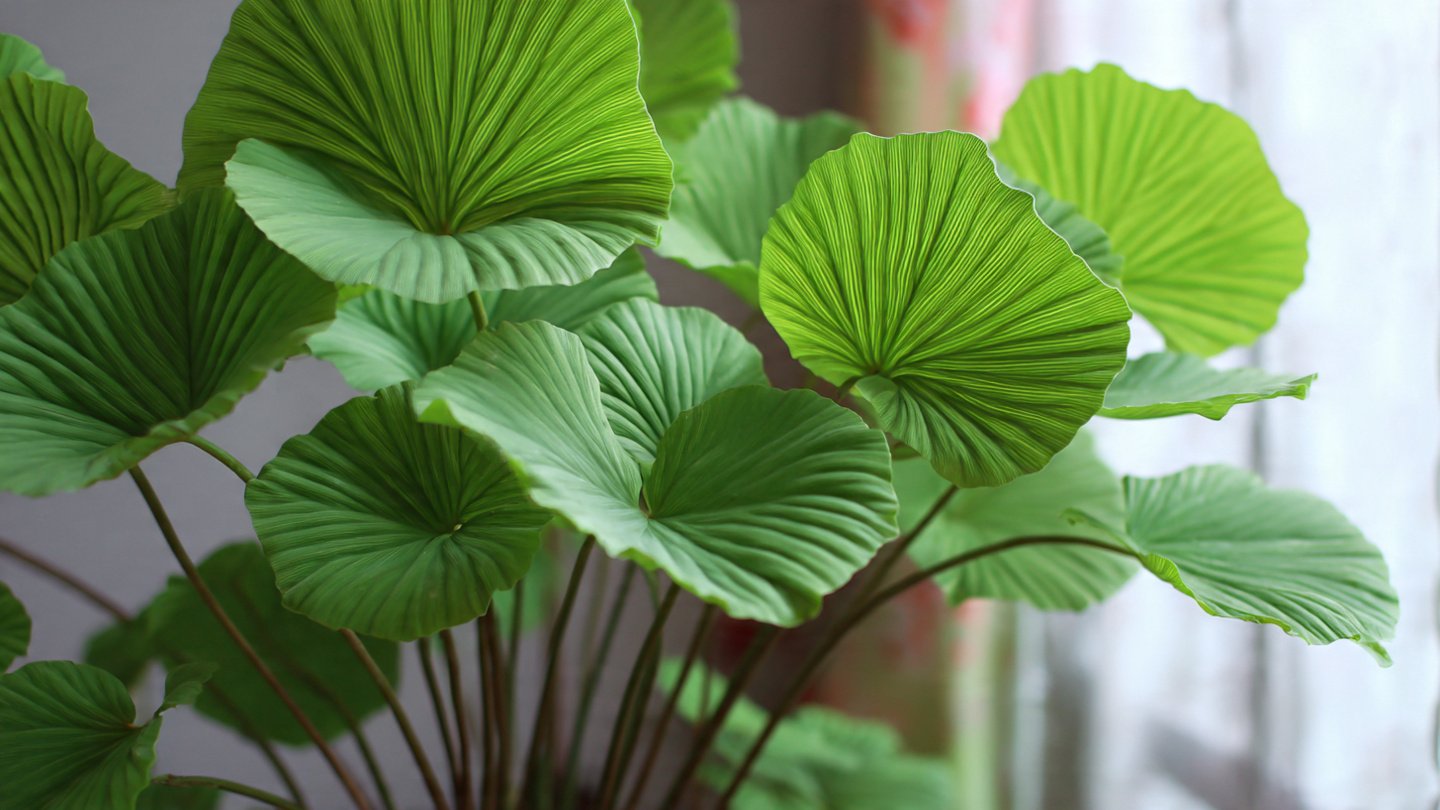
Growing your own food at home can be both fulfilling and beneficial for your health, and one of the most nutritious plants you can cultivate is the drumstick tree (Moringa oleifera). Often referred to as the “miracle tree,” the drumstick tree is celebrated for its diverse array of health benefits and nutrient-rich leaves. If you’re wondering whether you can successfully grow drumstick leaves indoors, the answer is yes! This article will guide you through simple methods and tips to cultivate this remarkable plant indoors.
Understanding the Drumstick Tree
Nutritional Benefits
Drumstick leaves are packed with vitamins and minerals. They’re rich in:
- Vitamins: A, C, and E
- Minerals: Calcium, potassium, and iron
- Proteins: Essential amino acids
These nutrients can support various health aspects, including boosting your immune system, promoting brain health, and improving digestion.
Ideal Growing Conditions
Moringa prefers warm, tropical climates but can adapt to different environments. When growing indoors, it’s important to mimic its preferred conditions as closely as possible:
- Light: Drumstick trees thrive in bright, direct sunlight. Ideally, they need at least 6 hours of sunlight daily.
- Temperature: They grow best in temperatures between 70°F to 90°F (21°C to 32°C) and will not tolerate frost.
- Soil: Well-draining soil is a must. A sandy or loamy mix works well, as Moringa roots are sensitive to waterlogging.
- Humidity: Average indoor humidity is acceptable, but increased humidity can help speed growth.
Steps to Grow Drumstick Leaves Indoors
1. Selecting the Right Container
Choose a pot that is at least 12 inches deep. Drumstick trees have long taproots, so depth is critical. Ensure that the pot has adequate drainage holes to prevent waterlogging.
2. Picking the Right Soil Mix
A well-draining soil mix is crucial. You can use a combination of:
- Potting soil: Provides nutrients.
- Perlite or sand: Improves drainage.
A mix of 50% potting soil and 50% perlite is usually effective.
3. Starting from Seeds or Cuttings
Seeds
- Soaking: Before planting, soak the seeds in water for 24 hours to encourage germination.
- Planting: Plant seeds about 1 inch deep in the prepared potting mix.
Germination usually occurs within 1-3 weeks under optimal conditions.
Cuttings
- Selecting: Choose a healthy branch with a diameter of about 1 inch.
- Preparing: Cut a section about 12 inches long and allow it to dry for a day or two to help prevent rot.
- Planting: Insert the cutting into the soil about 3-4 inches deep, ensuring it’s secure.
4. Watering
Moringa plants are drought-resistant but will require regular watering during their early growth phase. Water the plant when the top inch of soil feels dry. Be cautious not to overwater, as too much moisture can lead to root rot.
5. Fertilizing
While Moringa can thrive in relatively poor soil, a balanced fertilizer can help boost growth. Consider using:
- A water-soluble fertilizer every 4-6 weeks during the growing season.
- Organic options like fish emulsion or compost tea.
6. Providing Adequate Light
Position your Moringa plant close to a window that receives ample sunlight. If natural light is limited, you may want to invest in a grow light to ensure your plant thrives. LED grow lights are energy-efficient and can be adjusted according to growth stages.
7. Pruning and Harvesting
Pruning
Regular pruning encourages bushier growth and keeps the plant healthy. Trim off any dead or yellowing leaves, and pinch back tips to promote branching.
Harvesting Leaves
Once your plant reaches about 1-2 feet tall, you can start harvesting leaves. Use clean scissors to snip off leaves, which you can add to salads, smoothies, or cooked dishes. Regular harvesting will encourage new growth.
8. Pest Management
While Moringa is relatively pest-resistant, be vigilant for common indoor pests such as aphids, spider mites, and whiteflies. Organic insecticidal soap or neem oil can help manage infestations.
Troubleshooting Common Problems
- Yellowing Leaves: May indicate overwatering or nutrient deficiency.
- Solution: Check the soil moisture and consider fertilizing.
- Slow Growth: Could be due to inadequate light or poor soil conditions.
- Solution: Move the plant closer to a window or adjust the soil mix.
- Wilting: Often a sign of underwatering or disease.
- Solution: Check soil moisture and inspect for root rot.
Conclusion
Growing drumstick leaves indoors is not only possible but also a rewarding endeavor that allows you to enjoy the various health benefits of this nutrient-packed plant. While it requires the right conditions and some care, following the steps outlined in this guide will set you on the path to success.
With patience and persistence, you can enjoy fresh Moringa leaves year-round, enriching your meals with their exceptional nutrient profile while enjoying the satisfaction of cultivating your own food. Whether you’re a seasoned gardener or a novice, indoor Moringa cultivation is a fun and healthy project that can contribute to a greener lifestyle.
Start your journey today and unlock the potential of the miracle tree in the comfort of your home!