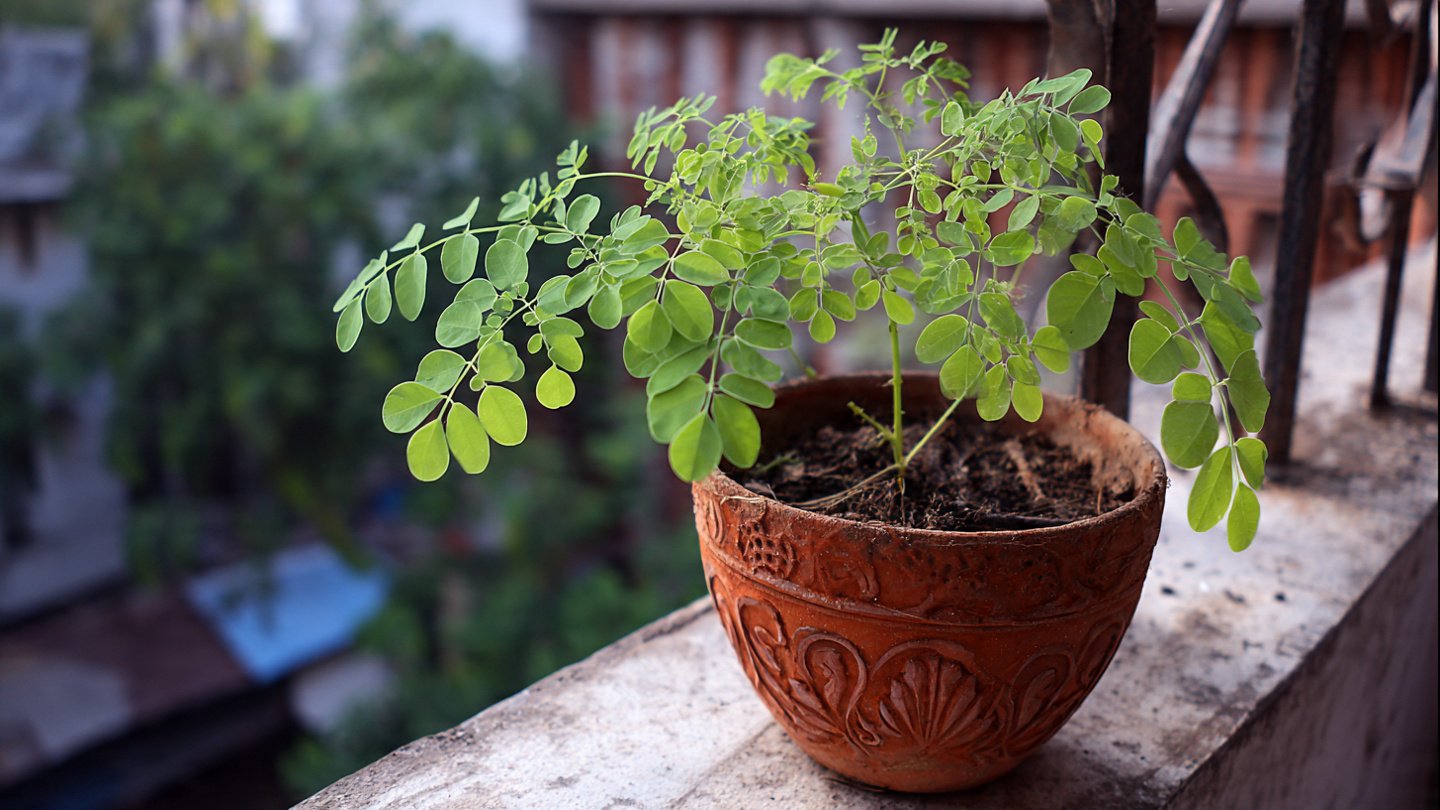
Moringa oleifera, often referred to as the “drumstick tree” or “miracle tree,” has gained popularity for its incredible nutritional properties and versatile uses. Whether you’re interested in its leaves, pods, or seeds, moringa is recognized for its health benefits and hardiness. While traditional growing methods involve open fields, many curious gardeners are wondering if they can successfully grow moringa in a pot. This article explores the best methods for growing moringa in pots, the benefits of pot cultivation, and tips for achieving a thriving plant.
Overview of Moringa
Before diving into pot cultivation, it’s essential to understand what makes moringa such a desirable plant. Moringa is native to the Indian subcontinent but has spread to various parts of the world due to its adaptability. The leaves are rich in vitamins, minerals, and essential amino acids, making them a sought-after superfood. Additionally, moringa seeds can be used for oil extraction, and the pods can be used in cooking.
Benefits of Growing Moringa in a Pot
- Space-Saving: Whether you live in an apartment or a home with a small yard, growing in pots allows you to maximize your space efficiently.
- Mobility: Container gardening offers the ability to move pots to optimize sunlight exposure. This is particularly useful if you live in an area with variable climate conditions.
- Soil Control: Growing moringa in pots lets you choose the soil mixture that best suits the plant’s needs, ensuring optimal growth conditions.
- Easier Maintenance: Potted plants can be easier to manage regarding watering, fertilizing, and pest control.
Choosing the Right Pot
Selecting the right pot is crucial for the healthy growth of moringa. Here are some pointers to consider:
- Size: For young seedlings, a pot that is at least 5-10 gallons in capacity is recommended. As the plant matures, it may require a larger container to thrive.
- Material: Opt for pots made of materials that allow for drainage, such as terracotta or plastic with drainage holes. Materials that retain heat, such as ceramic, can also be beneficial in cooler climates.
- Drainage: Moringa is sensitive to overwatering. Ensure your pot has sufficient drainage holes to prevent root rot.
Soil Requirements
Moringa thrives best in well-draining, nutrient-rich soil. Here’s how to create the ideal soil mixture:
- Base Soil: Start with quality potting soil that is easy to work with.
- Additives: To enhance drainage, mix in coarse sand or perlite. A ratio of 2 parts potting soil to 1 part perlite or coarse sand works well.
- Organic Matter: Incorporate well-rotted compost or aged manure to provide essential nutrients. This promotes healthy root development and overall plant vitality.
Germinating Moringa Seeds
Moringa can be propagated from seeds or cuttings. Here’s how to germinate seeds effectively:
- Preparation: Soak the seeds in water for 24 hours to expand their germination potential. This softens the seed coat and encourages quicker sprouting.
- Planting: Plant the seeds about ½ inch deep in your prepared potting mix. Ideally, plant 2-3 seeds to ensure at least one germinates.
- Watering: After sowing, water the seeds gently but thoroughly. Keep the soil consistently moist but not soggy to promote healthy growth.
- Temperature: Moringa seeds germinate best in warm conditions, with temperatures ranging between 70°F to 85°F. If necessary, place the pot in a warm, sunny spot.
Caring for Your Potted Moringa Plant
Once your moringa seeds have sprouted, it’s crucial to provide the appropriate care to foster healthy growth:
Watering
Moringa is drought-tolerant once established, but young plants need regular watering:
- Frequency: Water when the top inch of soil feels dry. Make sure excess water has drained away to prevent root rot.
- Method: Water deeply to encourage deep root growth.
Sunlight
Moringa loves the sun:
- Location: Ensure your pot is placed in a location that receives full sun for at least six hours a day.
- Rotation: Rotate the pot occasionally to ensure balanced sunlight exposure on all sides.
Fertilizing
Potted moringa plants benefit from regular feeding:
- Type of Fertilizer: Use a balanced, slow-release fertilizer or a diluted liquid fertilizer every 4-6 weeks during the growing season.
- Organic Options: Organic fertilizers like fish emulsion or seaweed extract can provide beneficial nutrients without the risk of chemical buildup.
Pruning
Regular pruning helps maintain the shape of the moringa and encourages bushier growth:
- Timing: Prune in early spring before new growth begins or during summer to control size.
- Method: Trim back any leggy or unproductive growth to encourage new branches.
Pests and Diseases
Moringa in pots is generally resistant to many pests and diseases, but vigilance is essential:
- Common Pests: Watch for aphids, whiteflies, and spider mites. If you notice any, consider using insecticidal soap or neem oil for treatment.
- Soil-borne Diseases: Overwatering can lead to fungal diseases like root rot. Ensure proper drainage and avoid waterlogging the soil.
Harvesting Moringa
Depending on growing conditions, moringa can be harvested within 6-8 months of planting:
- Leaves: Begin harvesting leaves when the plant is mature and has developed a robust canopy. Cut leaves and tender stems regularly to encourage continued growth.
- Pods: If your moringa plant produces pods, these can be harvested when they are still young and tender.
- Seeds: Once the pods mature and dry, you can harvest the seeds for replanting or culinary uses.
Winter Care for Potted Moringa
In colder climates, moringa does not tolerate frost. If you live in an area that experiences chilly winters, consider these winter care tips:
- Bring Indoors: Move the pot inside when temperatures drop below 50°F. Place it in a sunny window.
- Reduce Watering: Cut back on watering during the winter months as the plant’s growth slows down. Only water when the top inch of soil is dry.
- Adequate Light: If sunlight is limited indoors, consider using grow lights to supplement.
Conclusion
Growing moringa in a pot is not only feasible but can be a rewarding experience for both novice and experienced gardeners. With the right pot, soil, and care, you can enjoy fresh leaves, pods, and even seeds right from your home. By understanding its needs and taking proactive measures, you can successfully cultivate this extraordinary plant, bringing its numerous health benefits and culinary uses directly to your kitchen. Whether you’re aiming for a sustainable food source or simply want to enjoy the beauty of this tropical marvel, pot cultivation of moringa offers a practical and fulfilling gardening endeavor. Happy planting!