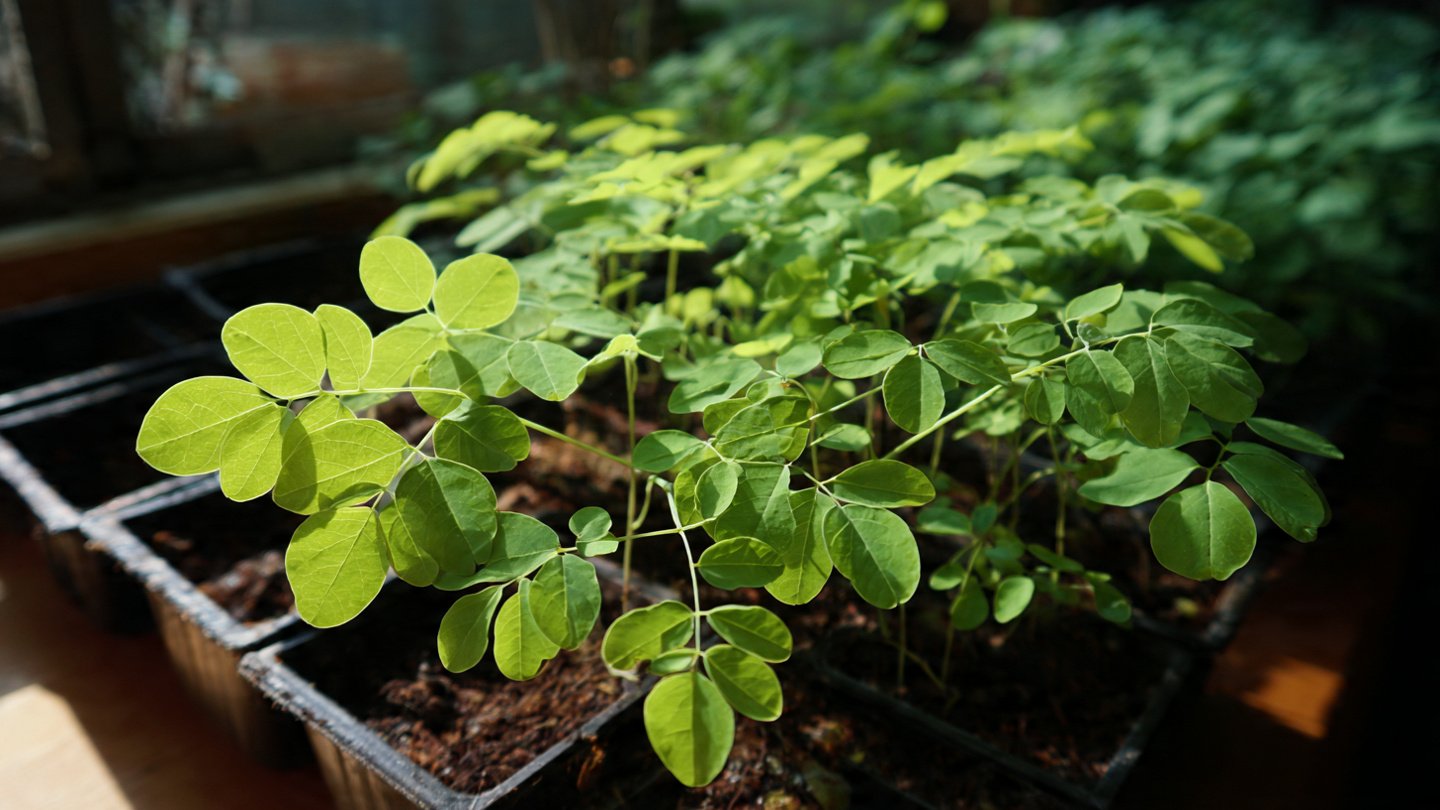
Moringa, often referred to as the “drumstick tree” or “miracle tree,” has garnered attention worldwide for its exceptional nutritional profile and numerous health benefits. Native to parts of Africa and Asia, this fast-growing tree has become a staple in various cuisines and traditional medicine. But an interesting question arises: Can you successfully grow moringa without flowering? This article will delve into the complexities of moringa cultivation, focusing on the flowering aspect and its implications for growth and harvest.
Understanding Moringa
Before discussing flowering, it’s essential to comprehend the biology and benefits of the moringa tree. Moringa (genus Moringa) belongs to the family Moringaceae and comprises 13 species, the most famous being Moringa oleifera. Packed with essential nutrients, vitamins, and minerals, moringa leaves are celebrated for their high protein content and antioxidant properties.
In addition to its nutritional value, moringa has various medicinal uses, including anti-inflammatory, antibacterial, and antiviral properties. It is also praised for its ability to thrive in adverse conditions, making it an ideal candidate for cultivation in arid and semi-arid regions.
The Flowering Cycle of Moringa
Moringa is a flowering plant, and its reproductive cycle is integral to its growth. Typically, moringa trees flower between 6 to 8 months after planting. The flowers are small, fragrant, and generally white or cream-colored, developing into long seed pods that contain moringa seeds.
The Importance of Flowering
-
Seed Production: Flowering is crucial for moringa to produce seeds. These seeds can be harvested and used for propagation or even cooking.
-
Pollination and Genetic Diversity: Flowers attract various pollinators, such as bees, which are essential for the genetic diversity of the tree population. A diverse gene pool enhances resilience against diseases and environmental stresses.
-
Nutritional Benefits: The flowers of the moringa tree are edible and rich in nutrients. They can be used in salads, soups, and other dishes, contributing additional health benefits.
The Challenges of Flowering
While flowering has many benefits, the process can be affected by various factors:
-
Climate Conditions: Moringa requires warm temperatures for optimal growth and flowering. Genetics play a role, as certain varieties may be more susceptible to environmental stressors.
-
Soil Quality: The tree thrives in well-draining soil with adequate nutrients. Poor soil conditions can impede flowering.
-
Water Availability: Moringa is drought-resistant, but inadequate watering can negatively impact the flowering process.
-
Age of the Plant: Younger trees may not flower as readily as mature ones, which typically begin to bloom within their first year of life.
Can You Grow Moringa Without Flowering?
The short answer is yes; it is possible to grow moringa without it flowering. However, the implications of this practice warrant thorough examination.
Benefits of Growing Moringa Without Flowering
-
Leaf Harvesting: Moringa is primarily cultivated for its leaves, which can be harvested at any stage of growth. If a tree does not flower, it may focus energy on leaf production. Gardeners can take advantage of this to maximize leaf yield for use in cooking or nutritional supplements.
-
Less Maintenance: Trees that do not flower may require less care, focusing less on energy-intensive reproductive processes. This can be beneficial for those who prioritize a steady leaf harvest.
-
Avoiding Seed Production: Not all cultivators desire moringa seeds. For those who prefer leaf production, non-flowering trees can serve their purpose without the distraction of seed development.
Limitations of Growing Moringa Without Flowering
-
Reduction in Genetic Diversity: As stated earlier, flowering facilitates pollination and genetic diversity. Cultivating moringa without allowing for flowering may lead to a less adaptable population, increasing its susceptibility to pests and diseases.
-
Limited Nutritional Benefits: While leaf harvesting is advantageous, the absence of flowers means missing out on the additional nutritional benefits they provide.
-
Potential Stunted Growth: Some research suggests that flowering may promote overall health in plants by triggering specific hormonal changes. Forcing moringa to grow without flowering may lead to stunted growth over the long term.
-
Aesthetic and Ecological Concerns: Flowers contribute to the visual appeal of the moringa tree and play a role in local ecosystems by attracting pollinators. Removing flowering from the growth process might affect local biodiversity.
Strategies to Promote Healthy Moringa Growth
If you aim to cultivate moringa primarily for foliage but still want to promote flowering, consider the following strategies:
1. Optimizing Growing Conditions
- Soil: Ensure that the soil is well-draining and rich in organic matter. You can enhance soil quality by incorporating compost or aged manure.
- Sunlight: Moringa thrives in full sun, so plant it in an area where it receives at least 6 hours of direct sunlight daily.
- Watering: Although moringa is drought-resistant, regular watering during the growing season (especially initial stages) fosters healthy growth. Avoid overwatering, as this can lead to root rot.
2. Crafting a Balanced Fertilization Schedule
Using a balanced fertilizer can significantly enhance plant health and encourage flowering. A nitrogen-rich fertilizer can promote leaf growth, while phosphorus and potassium are essential for flowering and fruiting.
3. Pruning and Maintenance
Regular pruning can help stimulate new growth, which may lead to increased flowering. Remove dead or diseased branches and allow for adequate space between plants to promote air circulation.
4. Pollination Enhancement
If you desire flowering and subsequent seed production, consider introducing pollinators into your garden. Planting companion flowers can attract bees and other pollinators, ensuring effective fertilization of flowers.
Conclusion
Moringa is a versatile tree with numerous benefits, making it an excellent addition to any garden. While it can thrive and produce leaves without flowering, understanding the implications of this choice is crucial. Achieving a healthy balance between vegetative growth and flowering can lead to optimal results, ensuring not just the successful growth of moringa, but also its full array of benefits.
Ultimately, whether you choose to allow moringa to flower will depend on your specific needs—whether you prioritize leaf production, seed harvesting, or garden aesthetics. By understanding the role of flowering in the moringa lifecycle and implementing effective growth strategies, you can cultivate a thriving moringa tree suited to your objectives.