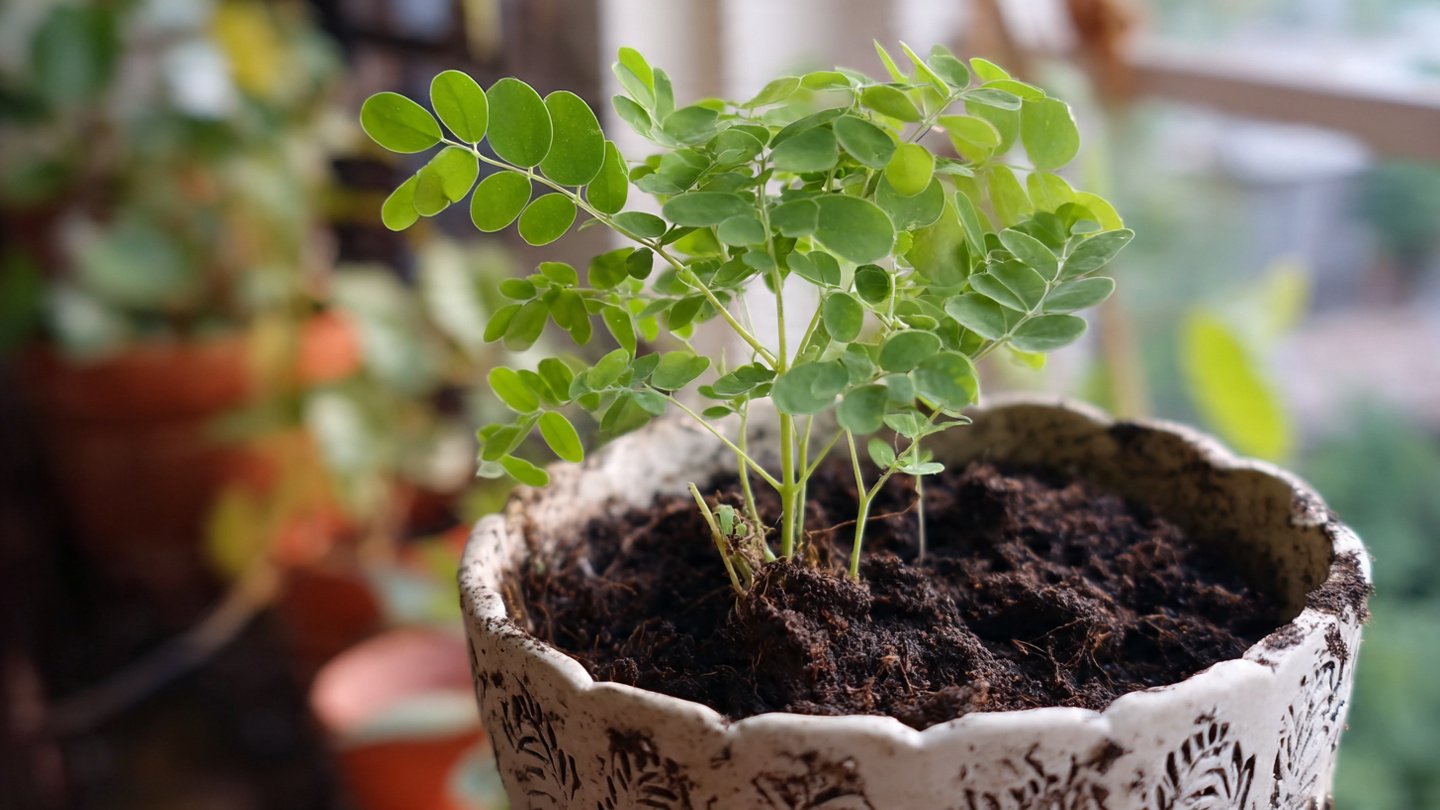
Moringa, often referred to as the “miracle tree,” has gained immense popularity in recent years due to its multitude of health benefits and nutritional properties. Native to parts of Africa and Asia, Moringa leaves are rich in vitamins, minerals, and antioxidants, making them a staple in various diets across the globe. This article will delve into the best practices and hacks to grow Moringa leaves fast, ensuring that you can unlock the full potential of this remarkable plant in your garden or home.
1. Understanding Moringa
1.1 Nutritional Benefits
Moringa leaves are celebrated for their nutrient density. They are packed with:
- Vitamins: High levels of vitamins A, C, and E.
- Minerals: A rich source of calcium, potassium, and iron.
- Proteins: Contain all nine essential amino acids.
- Antioxidants: Such as quercetin, chlorogenic acid, and beta-carotene.
These properties contribute to various health benefits, including anti-inflammatory effects, improved digestion, and enhanced immune function.
1.2 Types of Moringa
The most common type of Moringa is Moringa oleifera. Other varieties, like Moringa stenopetala and Moringa concanensis, are also gaining attention but are less widely cultivated. Moringa oleifera is prized for its fast growth and nutritional yield.
2. Growing Conditions for Moringa
To grow Moringa leaves quickly and efficiently, it’s crucial to create an optimal environment. Here are the essential factors to consider:
2.1 Sunlight
Moringa thrives in full sunlight. Aim for at least 6 to 8 hours of direct sunlight daily. An area that receives ample sun will encourage faster growth and healthier leaves.
2.2 Soil Requirements
Moringa prefers well-drained, sandy loam soil with a pH level between 6.0 and 7.0. Excess moisture can harm the roots, so consider raised beds or pots to ensure proper drainage. Adding organic compost can enrich the soil and promote faster growth.
2.3 Watering
While Moringa is drought-resistant, young plants require regular watering. Water deeply but infrequently, allowing the soil to dry out between watering sessions. Overwatering can lead to root rot, so it’s better to err on the side of caution.
2.4 Temperature and Climate
Moringa grows best in temperatures between 65°F and 95°F (18°C to 35°C). It’s sensitive to frost, so in cooler climates, consider starting seeds indoors or using frost protection methods.
3. Planting Moringa
3.1 Choosing the Right Seeds or Cuttings
Moringa can be propagated from seeds or cuttings. Here’s a quick guide for both methods:
- Seeds: Soak seeds in water for 24 hours before planting. This can help speed up germination. Plant them at a depth of about 1-2 inches in well-draining soil.
- Cuttings: Take cuttings from healthy Moringa trees. The ideal thickness is about 1-2 inches, and they should be at least 3 feet long. Allow the cuttings to dry for a day before planting to prevent rot.
3.2 Spacing
If planting multiple Moringa trees, space them at least 4-5 feet apart. This allows each tree enough room to grow and access nutrients.
4. The Easy Hack to Grow Moringa Leaves Fast
4.1 Use of Fertilizers
While Moringa is relatively low-maintenance, fertilizing can significantly boost growth. Consider using:
- Organic fertilizers: Compost, well-rotted manure, or organic liquid fertilizers provide essential nutrients.
- NPK Fertilizers: A balanced 10-10-10 or 20-20-20 fertilizer can encourage rapid leaf growth. Apply it sparingly every 4-6 weeks during the growing season.
4.2 Pruning
Regular pruning helps encourage bushier growth. When your Moringa reaches about 3 feet tall, trim off the top few inches. This stimulates lateral growth and increases leaf production.
4.3 Companion Planting
Consider planting Moringa alongside companion plants that enhance its growth. For example, legumes like clover or beans can naturally enrich the soil with nitrogen, benefiting the Moringa.
4.4 Pest Management
Keep an eye out for pests like aphids and caterpillars, which can damage the leaves. Natural remedies like neem oil or insecticidal soap can be effective in managing pest issues without harming the plant.
4.5 Temperature Control
In hotter climates, Moringa can benefit from some afternoon shade to prevent scorching. Conversely, in cooler areas, consider using row covers or cold frames during the night to protect young plants.
5. Harvesting Moringa Leaves
Once your Moringa plants are well-established and have plenty of leaves, it’s time to harvest. Here are some tips for effective harvesting:
5.1 Timing
Typically, you can start harvesting Moringa leaves about 2-3 months after planting, depending on growth conditions. Harvest leaves regularly—this encourages continued growth.
5.2 Method
Use scissors or pruning shears to clip the leaves and small stems. Avoid stripping entire branches, as this could slow down future growth. Harvesting leaves in the morning when they are crisp ensures maximum freshness.
6. Expanding Your Moringa Garden
6.1 Propagating from Cuttings
After your Moringa has matured, you can propagate new plants from cuttings. This method is fast and ensures that the new plants will have the same beneficial traits as the parent plant.
6.2 Experiment with Varieties
If space allows, consider growing different varieties of Moringa to diversify your yield and nutrient intake. Different types may have unique flavors or health benefits.
6.3 Use in Cooking
Incorporate Moringa leaves into your diet by adding them to smoothies, soups, or salads. The leaves can be dried and powdered for use in supplements and recipes, further enriching your nutrient intake.
7. Challenges and Solutions
Despite its hardy nature, growing Moringa can come with challenges. Here are common issues and how to address them:
7.1 Leaf Drop
If your Moringa leaves are dropping, it may be due to overwatering or sudden temperature changes. Assess your watering schedule and consider relocating the plant if temperature fluctuations are significant.
7.2 Slow Growth
If your Moringa isn’t growing as fast as expected, check for nutrient deficiencies, pests, or poor soil conditions. Fertilizing and ensuring proper care can often lead to improved growth.
7.3 Fungal Issues
In humid environments, Moringa can be susceptible to fungal diseases. Ensure good air circulation and avoid overhead watering to mitigate this risk.
8. Conclusion
Growing Moringa leaves quickly is not only possible but achievable with the right techniques and environmental conditions. By applying the easy hacks discussed in this article, you can unlock the secret to rapid Moringa growth. Whether you’re looking to enhance your diet with nutrient-rich leaves or cultivate a thriving garden, Moringa offers incredible health benefits and is a rewarding plant to grow. By following the guidelines outlined, you can ensure a plentiful harvest of this miraculous tree. Embrace the journey of growing Moringa, and enjoy the vast array of benefits it has to offer!