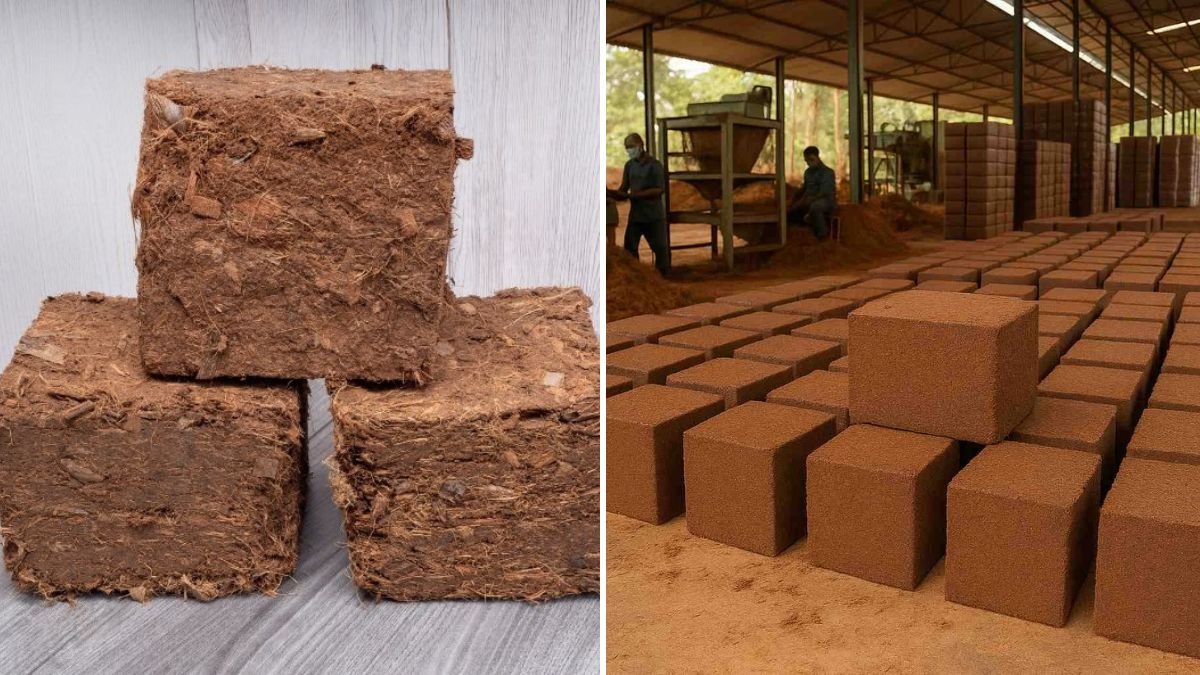
Coir bricks are compressed blocks made from coconut husk fibers. They are widely used in gardening as a soil substitute or amendment. When soaked in water, coir bricks expand into fluffy growing medium. Gardeners prefer coir because it is natural and renewable. It improves soil structure and moisture retention. Coir bricks are lightweight and easy to store. They are suitable for vegetables, flowers, and indoor plants. Understanding coir bricks helps gardeners grow healthier plants. This eco-friendly medium supports sustainable gardening practices.
What Is a Coir Brick
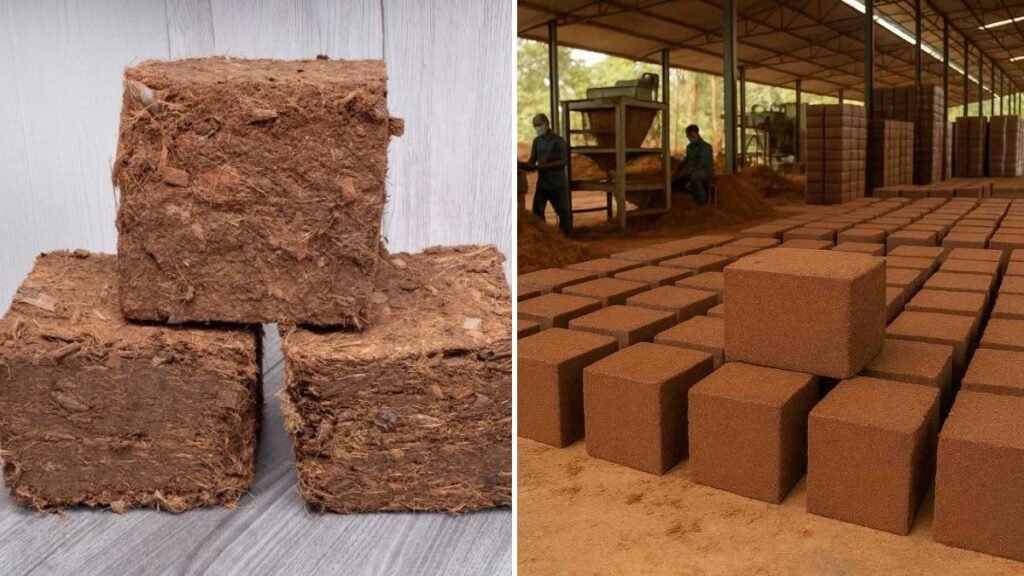
A coir brick is made from processed coconut husks. The husks are dried, ground, and compressed tightly. This compression allows easy transportation and storage. Once water is added, the brick expands several times its size. Coir fibers create air pockets in soil. These air spaces improve root health. Coir bricks contain no harmful chemicals. They are biodegradable and safe. This makes them popular among organic gardeners worldwide.
Why Coir Bricks Are Popular in Gardening
Coir bricks are popular because they are versatile. They can be used alone or mixed with soil. Coir holds moisture longer than soil. It prevents waterlogging while staying moist. This balance supports healthy root growth. Coir bricks are pest-free and sterile. They reduce soil-borne diseases. Gardeners also like their sustainability. Coconut coir is a renewable resource, making it environmentally friendly.
Benefits of Using Coir Bricks
Coir bricks improve soil aeration significantly. They help roots breathe properly. Moisture retention reduces frequent watering. Coir does not compact over time. It improves seed germination rates. Plants develop stronger root systems. Coir bricks are lightweight for containers. They are reusable after cleaning. These benefits make coir bricks suitable for all gardeners. Healthy soil leads to healthier plants.
Coir Brick vs Traditional Soil
Traditional soil can compact easily. Compacted soil restricts root growth. Coir bricks stay loose and airy. Soil may contain pests or pathogens. Coir is naturally sterile. Soil drains unevenly in containers. Coir offers consistent moisture retention. Coir is lighter than soil. Transporting coir bricks is easier. Many gardeners combine both for best results.
How to Prepare a Coir Brick
Preparing a coir brick is simple. Place the brick in a large container. Add clean water slowly. The brick absorbs water and expands. Break it gently with hands. Ensure even moisture throughout. Do not oversoak excessively. Let excess water drain. Prepared coir is fluffy and soft. Proper preparation ensures maximum effectiveness.
How Much Water Is Needed
Water quantity depends on brick size. Most standard bricks need several liters of water. Add water gradually to avoid overflow. Wait for expansion before adding more. Fully expanded coir should be moist but not dripping. Squeeze lightly to test moisture. Excess water should drain easily. Balanced moisture is important. Proper hydration ensures ideal texture.
Using Coir Bricks for Seed Starting
Coir bricks are excellent for seed starting. Fine texture supports delicate roots. Moisture retention prevents drying out. Seeds germinate evenly in coir. Coir reduces damping-off disease. It is lightweight for trays. Seedlings grow strong roots. Nutrients can be added later. Coir provides a clean start. Many nurseries use coir for seedlings.
Using Coir Bricks in Potting Mix
Coir bricks improve potting mixes. Mix coir with compost and soil. This combination improves drainage and nutrition. Pots remain lightweight and airy. Roots spread easily in coir mixes. Water distribution becomes even. Plants suffer less stress. Coir prevents soil compaction. Balanced mixes improve growth. Container gardening benefits greatly.
Coir Bricks for Vegetable Gardening
Vegetable plants thrive in coir-amended soil. Tomatoes, cucumbers, and peppers respond well. Coir retains moisture during hot weather. Roots remain cool and hydrated. Vegetables grow uniformly. Coir improves yield consistency. It supports organic gardening. Nutrients should be added regularly. Vegetables benefit from loose soil structure.
Coir Bricks for Indoor Plants
Indoor plants benefit from coir bricks. Coir prevents overwatering issues. Roots stay aerated. Fungus problems reduce significantly. Coir is clean and odorless. Indoor pots remain lightweight. Plants grow healthier indoors. Moisture control is easier. Decorative plants thrive in coir mixes. Indoor gardeners prefer coir for convenience.
Nutrient Content of Coir Bricks
Coir bricks are low in nutrients. They act as a growing medium, not fertilizer. Nutrients must be added separately. Compost or liquid fertilizer works well. Balanced feeding supports plant growth. Coir holds nutrients efficiently. Plants absorb nutrients gradually. Overfeeding should be avoided. Understanding nutrient needs prevents deficiencies.
pH Level of Coconut Coir
Coconut coir has near-neutral pH. This suits most plants. Unlike peat, coir does not become acidic. Stable pH supports nutrient uptake. Gardeners rarely need pH adjustment. Sensitive plants grow well. Consistent pH reduces stress. This makes coir versatile. Reliable pH benefits long-term planting.
Environmental Benefits of Coir Bricks
Coir bricks support sustainable gardening. They reduce peat moss usage. Peat harvesting damages ecosystems. Coconut husks are recycled waste. Coir production uses renewable materials. Biodegradable coir enriches soil naturally. Using coir reduces environmental impact. Gardeners support eco-friendly practices. Sustainable choices matter for the planet.
Reusing Coir After One Season
Coir can be reused easily. Remove old roots carefully. Rinse to remove salts. Dry before storage. Rehydrate when needed. Add compost before reuse. Coir maintains structure over time. Reusing saves money. Proper cleaning prevents disease. Reuse makes coir cost-effective.
Common Mistakes When Using Coir
Overwatering is a common mistake. Coir retains moisture well. Ignoring nutrients causes poor growth. Using dry coir directly harms roots. Compacting coir reduces aeration. Not draining excess water causes rot. Mixing improperly affects structure. Learning correct use prevents problems. Observation improves success.
Best Plants to Grow in Coir
Herbs grow well in coir mixes. Leafy greens thrive easily. Tomatoes respond positively. Flowers bloom better in airy soil. Indoor plants prefer coir blends. Seedlings benefit from coir. Root vegetables need soil mixing. Plant selection matters. Coir supports many plant types effectively.
Table: Coir Brick Usage Guide
| Use | How to Apply | Benefit |
|---|---|---|
| Seed starting | Use pure coir | Fast germination |
| Potting mix | Mix with compost | Better drainage |
| Indoor plants | Light coir blend | Root health |
| Vegetables | Soil amendment | Moisture control |
| Reuse | Clean and refresh | Cost savings |
Final Thoughts on Coir Bricks
Coir bricks are versatile and eco-friendly. They improve soil structure naturally. Gardeners benefit from moisture retention. Proper preparation ensures success. Nutrient supplementation is essential. Coir supports healthy root growth. Indoor and outdoor plants thrive. Sustainable gardening becomes easier. Coir bricks are valuable tools. Every gardener should consider using them.