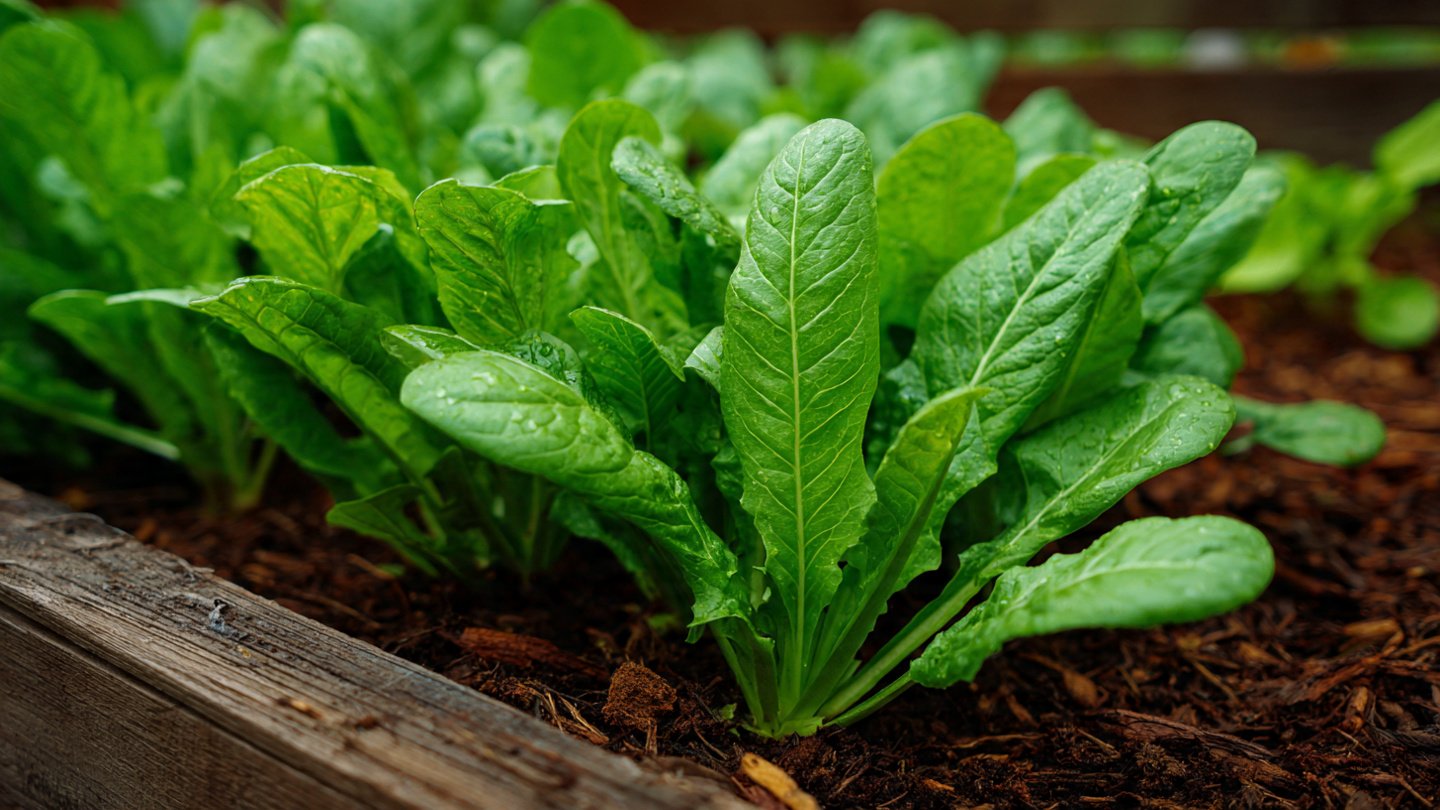
Chicory greens, known for their unique flavor and nutritional benefits, are an excellent addition to any home garden. Whether you’re a seasoned gardener or a novice, growing chicory in containers can be a rewarding experience. This guide will provide you with all the information you need to cultivate chicory greens successfully in your own home, along with answers to frequently asked questions.
Understanding Chicory Greens
Chicory (Cichorium intybus) is a perennial herbaceous plant in the dandelion family. Its leaves are often used in salads, its roots can be roasted and used as a coffee substitute, and the plant also produces colorful flowers. Chicory greens can range from bitter to mildly sweet, depending on the variety and growing conditions.
Benefits of Growing Chicory Greens
-
Nutritional Value: Chicory is rich in vitamins A, C, and K, as well as minerals like calcium and manganese. It’s also a good source of dietary fiber and antioxidants.
-
Flavor Profile: The slightly bitter taste of chicory adds depth to salads and cooked dishes. It can help balance richer flavors in meal preparation.
-
Easy to Grow: Chicory is adaptable and can thrive in various conditions, making it perfect for container gardening.
-
Year-Round Harvest: Depending on the variety, you can enjoy fresh chicory greens throughout the year.
Choosing the Right Container
Container Size
Chicory does well in containers that are at least 12 inches deep and wide. This depth allows for proper root development. For larger varieties, opt for a bigger container.
Material
Containers can be made from various materials, including plastic, clay, or metal. Here are some considerations for each:
-
Plastic: Lightweight and often cheaper, plastic containers hold moisture well but may not provide as much insulation.
-
Clay: Terracotta pots offer excellent breathability but can dry out quickly, so consistent watering is essential.
-
Metal: While stylish, metal containers can heat up quickly and may require extra attention to soil moisture.
Drainage
Ensure that your chosen container has adequate drainage holes. Chicory does not tolerate standing water, which can lead to root rot.
Choosing Chicory Varieties
Different chicory varieties have distinct flavors and growth habits. Here are a few popular options:
-
Catalogna: Known for its long, narrow leaves, this variety is mildly bitter and commonly used in Italian cooking.
-
Sugarloaf: This variety has a more pronounced sweetness and is often blanched to reduce bitterness.
-
Barbarea: This variety is great for salads and milder in flavor than other chicories.
-
Radicchio: A type of chicory that’s known for its striking red color and is often used to add visual appeal to dishes.
Soil Requirements
Chicory prefers well-draining soil with a pH between 6.0 to 7.0. A potting mix designed for vegetables or a combination of potting soil, compost, and perlite works well.
Preparing the Soil
-
Mixing: Combine equal parts of potting soil and compost. This mixture will provide the necessary nutrients while ensuring good drainage.
-
Fertilization: Incorporate a slow-release fertilizer into the soil mix to provide a steady nutrient supply during growth.
Planting Chicory Greens
When to Plant
Chicory can be planted in early spring or late summer for a fall harvest. It grows best in cooler conditions, making it ideal for shoulder seasons.
Seed Planting
-
Sowing Seeds: Plant seeds about ¼ inch deep in the prepared soil. Space seeds approximately 6 inches apart to allow for proper growth.
-
Watering: After planting, water the soil gently but thoroughly to ensure good seed-to-soil contact.
Transplanting
If starting seeds indoors, transplant when seedlings have at least two sets of true leaves. Space them as mentioned above.
Caring for Your Chicory Greens
Watering
Chicory requires consistent moisture, especially during dry periods. Water when the top inch of soil feels dry. Avoid overwatering, as chicory is susceptible to root rot.
Sunlight
Chicory thrives in full sun but can tolerate partial shade. Aim for at least 6 hours of direct sunlight daily for optimal growth.
Pruning and Maintenance
-
Thinning: Once seedlings are a few inches tall, thin them so that they are spaced properly. This helps reduce competition for nutrients.
-
Harvesting: Start harvesting leaves when they reach around 6-8 inches tall. Cut outer leaves first, leaving the inner leaves to continue growing.
-
Pest Control: Keep an eye out for common pests like aphids and slugs. Hand-picking or using insecticidal soap can manage infestations.
Common Issues When Growing Chicory
Problem: Bitter Taste
- Solution: Bitter flavors are often a sign of stress, such as lack of water or extreme temperatures. Ensure consistent watering and avoid high temperatures.
Problem: Wilting Leaves
- Solution: This could be due to underwatering or overwatering. Check the soil moisture and adjust your watering routine accordingly.
Problem: Slow Growth
- Solution: Ensure the plants receive adequate sunlight and nutrients. If the growth seems slow, consider adding a nitrogen-rich fertilizer.
Harvesting Chicory Greens
To harvest chicory greens, use scissors to cut the outer leaves at the base, allowing the inner leaves to continue growing. Harvesting can occur as soon as leaves are large enough to eat, typically around 6-8 inches tall.
Storing Chicory
Freshly harvested chicory greens can be stored in the refrigerator for about a week. Wrap the greens in a damp paper towel and place them in a plastic bag to keep them crisp.
Cooking with Chicory
Chicory greens can be used in various recipes, from salads to sautéed dishes. Here are a few ideas:
-
Salads: Mix chicory leaves into your favorite salad for a unique flavor boost.
-
Sautéed: Cook chicory greens in olive oil with garlic for a simple side dish.
-
Soups and Stews: Add chopped chicory to soups for a nutritional boost and extra flavor.
Conclusion
Growing chicory greens in containers at home is an enticing venture that yields both culinary excitement and health benefits. With proper soil, careful watering, and an understanding of your plants’ needs, you can enjoy a bountiful harvest of these versatile greens year-round.
FAQs
1. Can I grow chicory indoors?
Yes, chicory can be grown indoors as long as it receives adequate sunlight. A south-facing window is ideal, or you can use grow lights.
2. How often should I water chicory?
Water chicory whenever the top inch of soil feels dry. It’s essential to maintain consistent moisture without overwatering.
3. Can chicory survive winter?
In many climates, chicory can survive winter, especially if grown in containers that can be moved indoors or in a sheltered location.
4. How long does it take to grow chicory from seed to harvest?
Typically, chicory takes about 60 to 90 days from planting seeds to harvest, depending on the variety.
5. Is chicory safe for pets?
While chicory is non-toxic to pets, consuming large quantities can cause gastrointestinal upset. Always consult a veterinarian if you are uncertain.
By following this guide, you can cultivate delicious and nutritious chicory greens right at home, adding a delightful variety to your culinary repertoire!