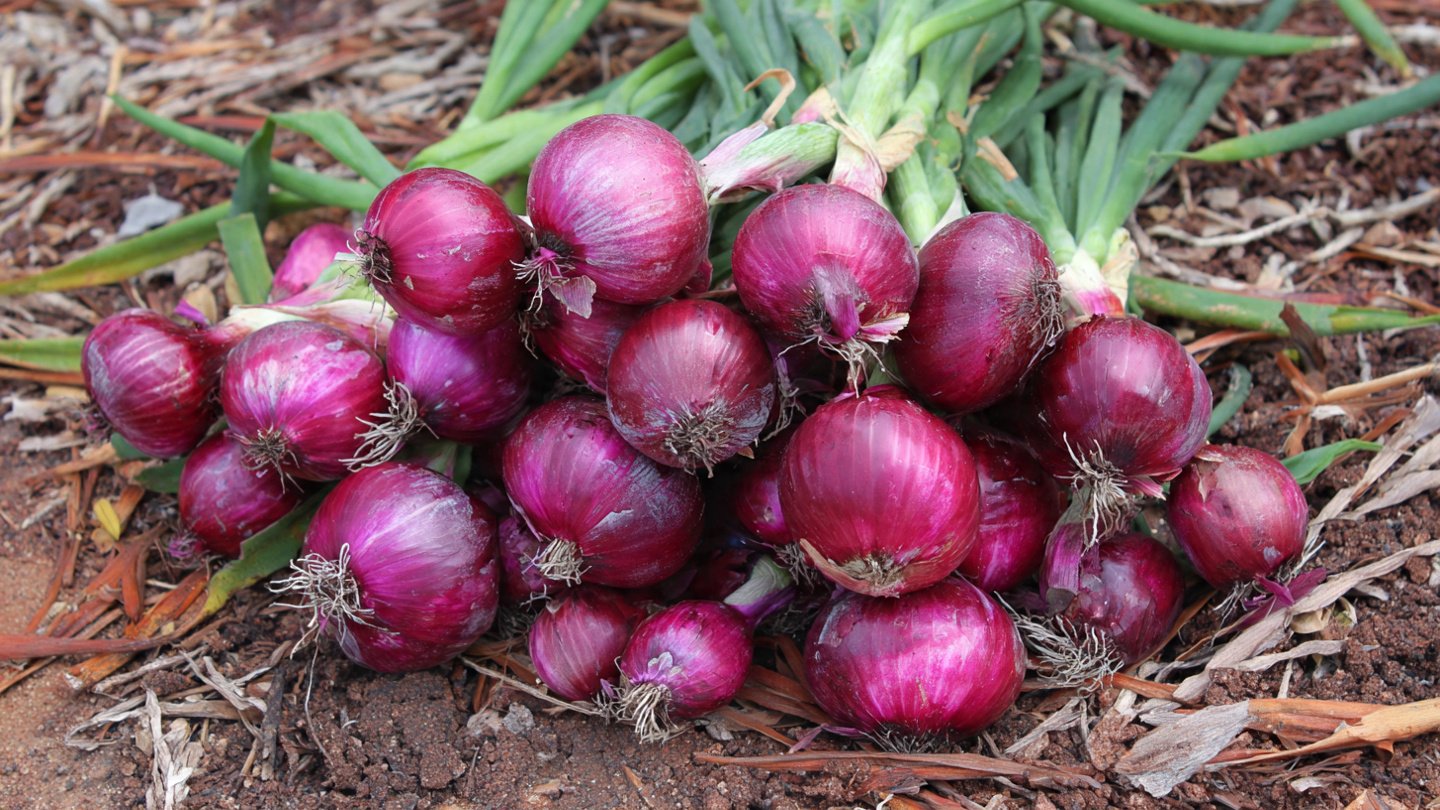
Growing red onions can be a rewarding experience for home gardeners, not only because of their robust flavor and vibrant color but also due to their ease of cultivation. This guide will walk you through every step of the process, from choosing the right variety to harvesting your crop.
Why Grow Red Onions?
Red onions are not just visually appealing; they also offer numerous health benefits. Rich in antioxidants, vitamins, and minerals, they can enhance various dishes and can be used raw or cooked. Additionally, they store well, making them a versatile ingredient all year round.
Choosing the Right Variety
There are several varieties of red onions, including:
- Red Globe: A classic variety with a slightly sweet flavor, popular for slicing and salads.
- Red Creole: Known for its fiery taste, this variety is ideal for cooking and pickling.
- Texas Super Sweet: A sweet variety that thrives in warmer climates.
When selecting a variety, consider your local climate, soil type, and intended use.
Preparing for Planting
Soil Requirements
Red onions prefer well-drained, loamy soil with a pH level of 6.0 to 6.8. Before planting, you should:
- Test the Soil: Use a soil test kit to determine pH and nutrient levels.
- Amend the Soil: If necessary, add compost and well-rotted manure to improve fertility. Incorporating organic matter will enhance drainage and structure.
Where to Plant
Choose a sunny spot in your garden where red onions can receive at least 6 hours of sunlight each day. Proximity to a water source can also facilitate easier maintenance.
Preparing Sets
Onion sets are small, immature bulbs of the onion plant. They offer an easy way to start growing onions. Here’s how to prepare your sets:
- Select Healthy Sets: Choose sets that are firm and dry. Avoid any that are soft or have started to sprout.
- Sort by Size: Group your sets based on size. Larger sets will generally yield larger onions.
Planting Red Onions from Sets
Timing
The best time to plant red onion sets varies by region but typically occurs in early spring when the soil temperature reaches at least 50°F (10°C). In warmer climates, you can also plant in the fall.
Planting Procedure
- Prepare the Rows: Create furrows about 1-2 inches deep and 12-18 inches apart.
- Spacing: Place the onion sets 4-6 inches apart within the furrows, with the pointed end facing upward. Push them into the soil, leaving the tops above the surface.
- Cover: Gently cover the sets with soil and lightly tamp down to remove air pockets.
Watering
Water the area thoroughly after planting to help sets establish roots. Following initial watering, provide consistent moisture, especially during dry spells, but avoid waterlogging, as this can lead to rot.
Caring for Red Onions
Fertilization
Onions are heavy feeders and benefit from regular fertilization:
- Initial Fertilization: Apply a balanced fertilizer (like 10-10-10) at planting.
- Mid-Season Boost: Use a high-nitrogen fertilizer when the plants are about 6 inches tall.
Weeding and Mulching
Weeds can compete with your onions for nutrients and water. Regularly check your garden for weeds and remove them by hand or with a hoe.
Applying a layer of mulch can also help retain moisture, suppress weeds, and regulate soil temperature.
Pest and Disease Control
Common pests that affect onions include:
- Onion Maggot: Look for signs of wilting; use floating row covers to deter.
- Thrips: Small, winged pests that cause silver streaks on foliage. Regularly inspect plants and control with insecticidal soap if needed.
Diseases like Downy Mildew and Botrytis can also pose threats. Ensure good air circulation, avoid overhead watering, and practice crop rotation.
Harvesting Red Onions
When to Harvest
Red onions are ready to harvest when the tops begin to fall over and turn yellow. Typically, this happens about 100-175 days after planting, depending on the variety and growing conditions.
How to Harvest
- Loosen the Soil: Use a garden fork to gently lift the bulbs from the soil.
- Cure the Onions: Lay them out in a single layer on a wire rack or a well-ventilated area out of direct sunlight. This curing process will help to extend their storage life.
Storing Your Harvest
Once cured, trim the roots and tops, leaving about 1 inch. Store your red onions in a cool, dark, well-ventilated area. They can last up to several months if stored properly.
Frequently Asked Questions (FAQs)
1. Can I grow red onions in containers?
Yes, red onions can be grown in containers. Use a pot that is at least 12 inches deep to allow sufficient root space.
2. What is the ideal spacing for planting red onion sets?
Space your onion sets about 4-6 inches apart within the row, and keep the rows 12-18 inches apart to allow for air circulation.
3. How often should I water my red onions?
Water red onions consistently, aiming for about 1 inch of water per week. Adjust depending on rainfall and soil drainage.
4. Why are my red onions not growing large?
Possible reasons for small onions include poor soil quality, lack of sunlight, inadequate watering, or overcrowding. Make sure they have enough nutrients and space to grow.
5. Can I save onion sets for next year’s planting?
It’s best to purchase fresh sets each season to avoid pest and disease issues. However, if you grow from seeds, you can save some bulbs for future planting.
6. Are there any companion plants for red onions?
Yes, carrots, lettuce, and beets make good companions for onions, while avoiding planting near legumes, which can stunt their growth.
7. What should I do if my onions start to rot?
Check for signs of overwatering or poor drainage. Remove any rot-affected sets immediately and improve soil drainage if necessary.
Conclusion
Growing red onions from sets is an enriching experience for home gardeners. By following this comprehensive guide, you will be well-equipped to cultivate a thriving crop, enhance your culinary endeavors, and enjoy the numerous benefits of this versatile vegetable. Remember that gardening requires patience and care, but with diligence, you can reap the delicious rewards of your labor!