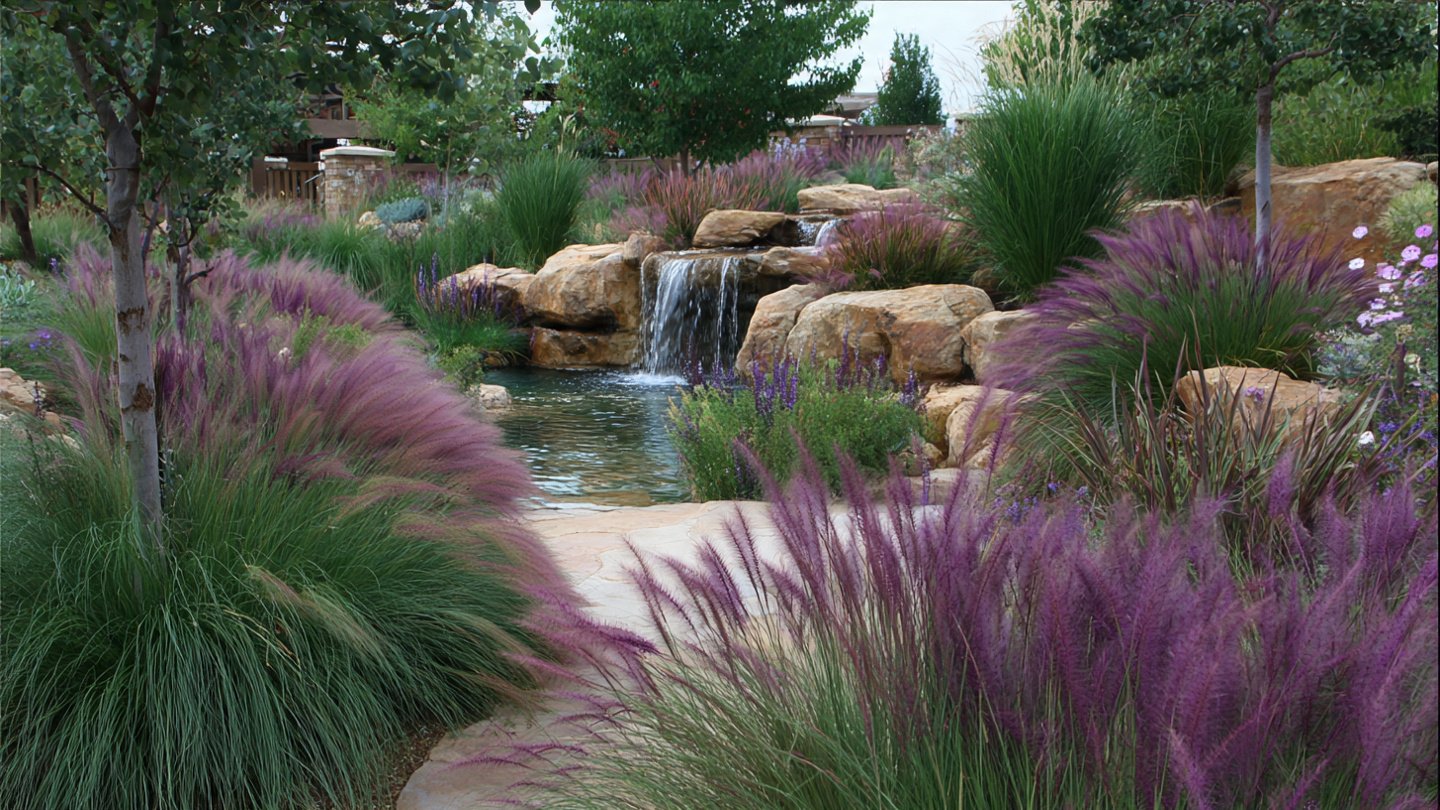
Fountain grass (Pennisetum setaceum) is a striking ornamental grass known for its graceful arching forms and fluffy flower spikes. With its ability to thrive in various climates and soil types, fountain grass has become a favored choice among landscapers and gardeners. This article explores innovative ways to incorporate fountain grass into your landscape design.
Introduction to Fountain Grass
Fountain grass typically grows to a height of 3 to 5 feet, creating an eye-catching and textural contrast to other plants. The plant showcases narrow, green leaves that transition to golden or reddish hues in autumn. Its plume-like flower spikes bloom from late summer to fall, adding visual interest and attracting pollinators like butterflies.
Benefits of Fountain Grass
- Aesthetic Appeal: The cascading appearance adds elegance to garden beds.
- Versatility: Suitable for various settings—from formal gardens to natural landscapes.
- Low Maintenance: Drought-tolerant and resistant to pests and diseases.
- Wildlife Friendly: Attracts beneficial insects and birds.
Creative Uses of Fountain Grass in Landscape Design
1. As a Focal Point
One of the simplest yet effective ways to use fountain grass is by planting it as a focal point in a garden bed. Positioning it at the end of pathways or near seating areas creates visual interest and invites visitors to explore.
Tips:
- Choose a variety with rich flower colors to stand out.
- Pair it with complementary plants like lavender or salvia.
2. In Mixed Borders
Fountain grass blends beautifully in mixed borders, allowing it to soften the edges of hardscape elements. Its flowing form contrasts well with stronger, more structured plants, creating a harmonious balance.
Recommendations:
- Combine with tall perennials such as coneflowers or bee balm.
- Incorporate shorter annuals for added color.
3. In Containers
Utilizing fountain grass in containers can enhance patios, decks, or balconies. The plant’s movement and texture add a dynamic element that is particularly appealing in smaller spaces.
Container Ideas:
- Choose larger pots to accommodate the grass’s height.
- Mix with trailing plants like ivy or petunias for visual depth.
4. As a Natural Screen or Hedge
Fountain grass can be used to create natural boundaries or privacy screens. By planting in clusters or rows, it can form an effective visual barrier without the formality of traditional hedges.
Tips:
- Space plants adequately for airflow and growth.
- Consider mixed heights by interspersing with taller plants for layered texture.
5. In Water Features
Incorporating fountain grass around water features adds softness to the area. The gentle sway of the grass against the backdrop of water creates a calming atmosphere.
Implementation:
- Plant along the edges of ponds or water gardens.
- Combine with other aquatic plants for a cohesive look.
6. As Ground Cover
Fountain grass can serve as a low-maintenance ground cover, particularly in sunny areas. It suppresses weeds while providing a lush backdrop for other plants.
How to Use:
- Plant in areas that require minimal maintenance.
- Mix with stones or gravel for added texture.
7. In Rock Gardens
Its natural form complements rock gardens beautifully. Fountain grass thrives in well-drained soil, making it a suitable candidate for rocky, arid settings.
Techniques:
- Mix different varieties for visual interest.
- Pair with low-growing succulents or cacti.
8. Seasonal Displays
Fountain grass’s ability to change color with the seasons makes it perfect for creating dynamic and seasonal displays. Highlighting its autumnal colors alongside planting bulbs can create a stunning effect.
Ideas:
- Use spring bulbs like tulips or daffodils in tandem for seasonal interest.
- Plan for winter arrangements with grasses and evergreen elements.
9. In Pollinator Gardens
Planting fountain grass in pollinator gardens supports local ecosystems. Its flower spikes attract bees, butterflies, and birds while providing a habitat for beneficial insects.
Design Strategy:
- Create clusters to draw pollinators effectively.
- Intermingle with nectar-rich flowers and native plants for diversity.
10. In Urban Settings
Fountain grass is an excellent choice for urban landscapes. Its drought-tolerant nature makes it suitable for city gardens, where water may be limited.
Urban Incorporation:
- Use in community gardens for sustainability.
- Add to streetscape planters to soften hard surfaces.
Maintenance Tips for Fountain Grass
To ensure that your fountain grass thrives, consider the following maintenance practices:
- Watering: Once established, fountain grass is drought-resistant. Water during dry spells, especially in the first year.
- Pruning: Cut back in late winter or early spring to encourage new growth.
- Fertilization: Use a balanced fertilizer during the growing season.
- Pest Management: Generally pest-free, but monitor for aphids or spider mites.
FAQs
Q1: Is fountain grass invasive?
A1: In some areas, fountain grass can be invasive. It’s important to consult local guidelines before planting to understand its impact on local ecosystems.
Q2: How do I propagate fountain grass?
A2: Fountain grass can be propagated through division in spring or by sowing seeds in early spring.
Q3: What is the best time to plant fountain grass?
A3: The best time to plant fountain grass is in late spring after the last frost when the soil has warmed.
Q4: Can fountain grass tolerate shade?
A4: Fountain grass prefers full sun but can tolerate light shade. However, it may not perform as well in heavily shaded areas.
Q5: How tall does fountain grass grow?
A5: Fountain grass typically grows between 3 to 5 feet tall, depending on the variety and growing conditions.
Conclusion
Fountain grass offers diverse applications in landscape design, providing aesthetic beauty and environmental benefits. From creating focal points to enhancing urban gardens, its versatility shines through in various settings. By considering its placement and combinations with other plants, you can maximize its potential in your landscape. With minimal maintenance and a maximum visual impact, fountain grass is indeed an extraordinary choice for any garden enthusiast.