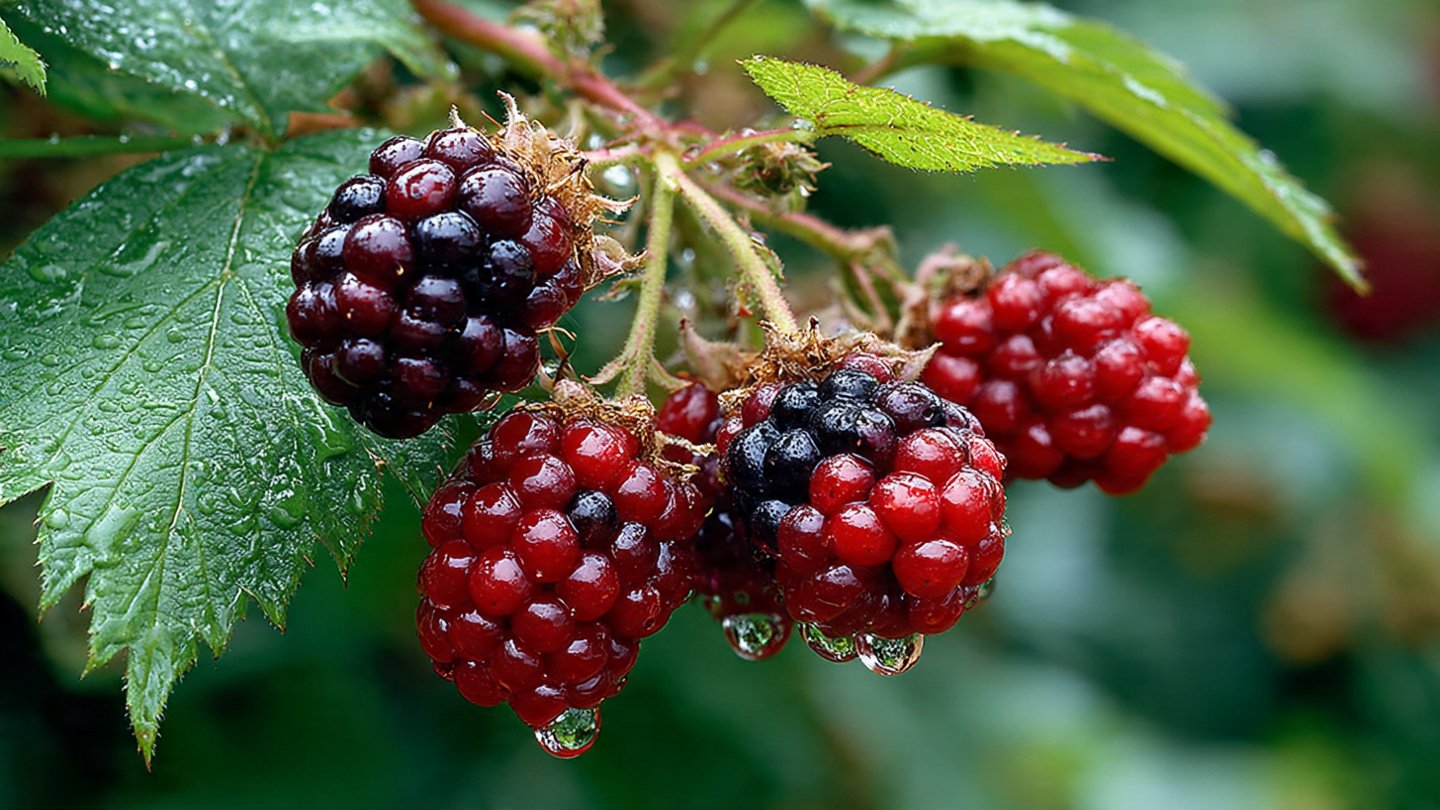
Blackberries are beloved for their sweet, juicy fruit and versatility in various culinary applications. Among the many varieties, Chester blackberries stand out due to their resilience, flavor, and adaptability, making them an excellent choice for home gardeners, particularly in colder climates. In this comprehensive guide, we’ll delve into the essentials of cultivating Chester blackberries, including best practices for selecting, planting, caring for, and harvesting your berries.
Understanding Chester Blackberries
Origin
Chester blackberries were developed in the 1980s in Pennsylvania and are a thornless hybrid of the more traditional blackberry varieties. They were bred specifically for cold hardiness, making them ideal for regions with challenging winters.
Features
Chester blackberries have several features that appeal to gardeners:
- Cold Hardiness: They can withstand temperatures down to USDA zone 5.
- Thornless Canes: The absence of thorns makes harvesting easier and enhances safety while working in the garden.
- Large Fruits: The berries are notable for their size and sweetness.
- High Yield: Chester blackberry plants are prolific, often producing fruit within their second year.
Selecting the Right Location
Sunlight Requirements
Chester blackberries thrive in full sun. Aim for at least six to eight hours of direct sunlight each day. This exposure not only boosts fruit production but also enhances sugar content, leading to tastier berries.
Soil Conditions
Chester blackberries prefer well-draining, loamy soil with a pH level between 5.5 and 6.5. Conduct a soil test to determine the pH and nutrient levels; you may need to amend the soil with organic matter or fertilizer before planting.
Drainage Considerations
Blackberries are susceptible to root rot if their roots sit in waterlogged soil. Ensure that your planting site has excellent drainage or consider raised beds if you have heavy clay soil.
Planting Chester Blackberries
Timing
The best time to plant Chester blackberries is in early spring after the last frost or in the fall, about four to six weeks before the first frost. This timing ensures that the plants establish themselves adequately before extreme weather conditions set in.
Planting Steps
-
Prepare the Soil: Clear any weeds and debris from the planting area. Amend the soil with compost or well-rotted manure to enhance fertility.
-
Digging Holes: Dig holes about 2-3 feet apart to provide adequate space for the plants to grow. Each hole should be twice as wide as the root ball.
-
Planting: Place the roots in the hole, ensuring that the crown (where the stem meets the roots) is level with the soil surface. Backfill with soil and gently tamp down.
-
Watering: Water the plants thoroughly after planting to help settle the soil around the roots.
-
Mulching: Apply a layer of mulch to retain soil moisture and suppress weeds. Organic mulches, like straw or wood chips, work well.
Caring for Chester Blackberries
Watering
Consistent moisture is vital, especially during the growing season. Water deeply once a week, increasing frequency during extremely dry periods. An average of 1-2 inches of water per week is ideal.
Fertilization
In the early spring, apply a balanced fertilizer, such as 10-10-10, to promote growth. Ensure not to over-fertilize, as this can lead to excessive leaf growth at the expense of fruit production.
Pruning
Pruning is essential for maintaining healthy Chester blackberry plants.
- Summer Pruning: Pinch back the tips of the new growth when they reach around three feet. This encourages bushier growth and more fruit.
- Winter Pruning: In late winter, remove any dead or weak canes. Aim to leave 5-6 strong canes per plant to foster adequate fruit production.
Pest and Disease Control
Common pests affecting blackberries include aphids, spider mites, and Japanese beetles. Implement integrated pest management strategies using organic pesticides or introducing beneficial insects.
Diseases such as botrytis blight, rust, and powdery mildew can also affect blackberries. Providing adequate airflow through proper pruning and spacing can help prevent these issues.
Harvesting
Chester blackberries typically start producing fruit about two years after planting, typically in mid-summer.
Recognizing Ripeness
The berries should be fully dark purple or black, glossy, and easily pull away from the stem when ripe. Regular checks will ensure you harvest at the peak of flavor.
Harvesting Tips
- Use gloves and gentle clippers to harvest, minimizing damage to the plant.
- Gather berries in shallow containers to prevent crushing.
Winterizing Chester Blackberries
In colder climates, it is crucial to protect your blackberry plants during winter. Here are some steps to ensure their survival:
-
Mulching: Apply a thick layer of mulch around the base of the plants to insulate the roots.
-
Bending Canes: In extremely cold areas, consider bending canes down to the ground and covering them with soil or straw for added protection.
-
Wind Protection: If your garden area is windy, erecting windbreaks can help reduce stress on the plants.
-
Pruning Timing: Ensure proper winter pruning is done before the first hard frost, which encourages better growth come spring.
FAQs
1. How much space do Chester blackberries need?
Chester blackberries require about 2-3 feet of space between plants to ensure proper air circulation and growth.
2. Can Chester blackberries be grown in containers?
Yes, Chester blackberries can be grown in large containers, provided they receive enough sunlight and consistent moisture.
3. What are the best companion plants?
Companion plants such as marigolds, garlic, and chives can help deter pests and improve the overall health of your blackberry plants.
4. Are Chester blackberries susceptible to any diseases?
While generally hardy, they can be affected by diseases such as rust or powdery mildew. Proper care, including good air circulation and moisture management, can help prevent these issues.
5. How long does it take for Chester blackberries to fruit?
Chester blackberries typically start bearing fruit in their second year after planting.
6. Can I grow Chester blackberries in partial shade?
While they can tolerate some shade, full sun is recommended for optimal fruit production.
7. What’s the best way to store freshly harvested blackberries?
Store harvested berries in the refrigerator in a breathable container to keep them fresh for up to a week.
Conclusion
Cultivating Chester blackberries in cold climates is not only feasible but can lead to rewarding results for determined gardeners. With proper planning, care, and attention, you can enjoy these delicious berries right from your own backyard. Follow the tips outlined in this guide, and you’ll soon be harvesting a bountiful supply of sweet, juicy blackberries to enjoy fresh or in your favorite recipes. Happy gardening!