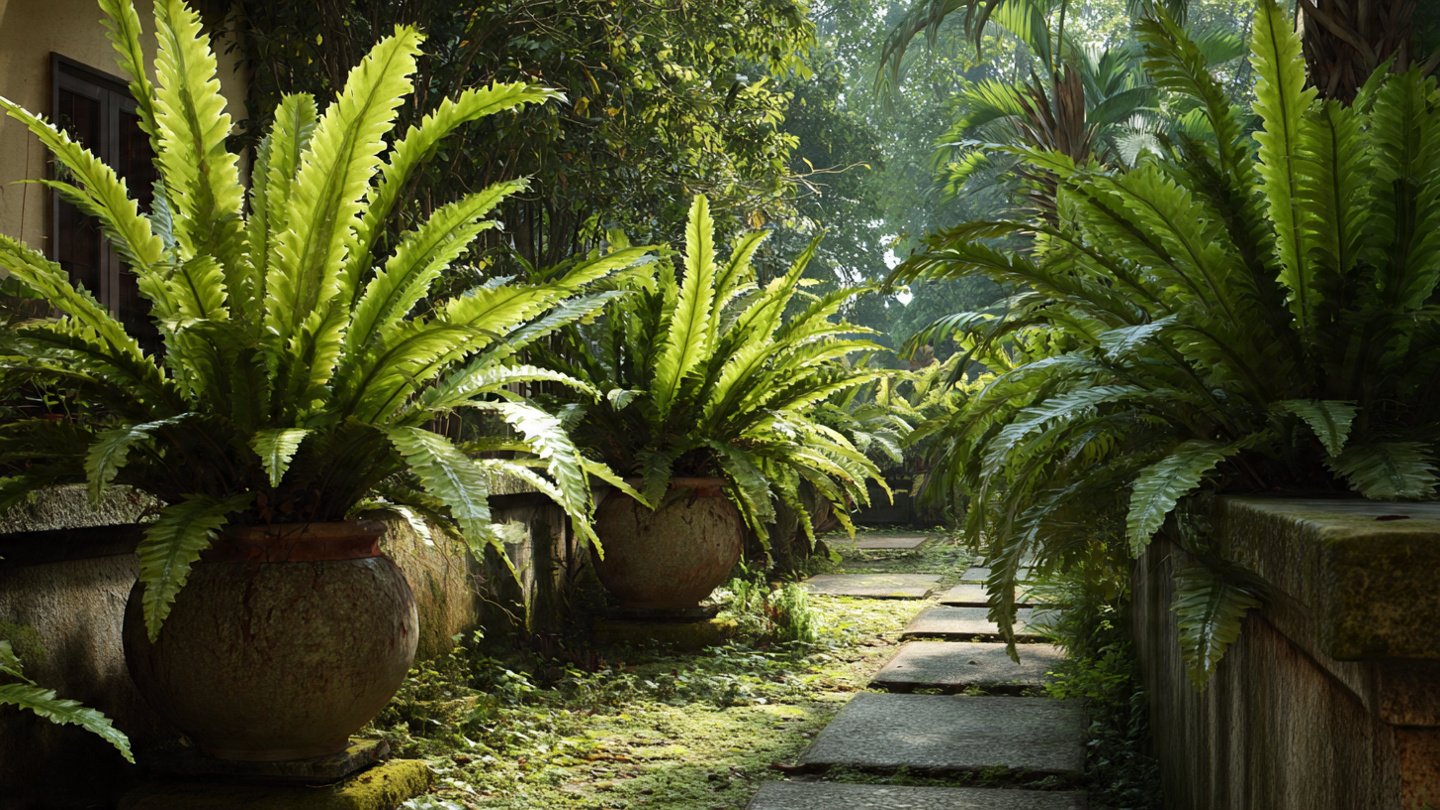
In the world of gardening, few plants can rival the unique aesthetic and charm of the Bird Nest Fern (Asplenium nidus). Renowned for its lush, green leaves that spiral outwards like the nest of a bird, this tropical fern can elevate your garden’s ambiance while being relatively easy to care for. This article explores the various aspects of growing Bird Nest Ferns successfully, from choosing the right environment to maintenance tips and common problems.
Understanding the Bird Nest Fern
Characteristics
The Bird Nest Fern is characterized by its broad, undulating fronds that can grow up to 3 feet in length. The fern’s dark green leaves form a rosette that provides a striking contrast to other garden plants. Native to the tropical forests of Southeast Asia, they thrive in humid environments, making them perfect for specific microclimates in gardens or indoor settings.
Environmental Preferences
Bird Nest Ferns love warm conditions with high humidity and indirect sunlight. These ferns are epiphytic in nature, meaning they originally grow on other plants rather than in soil. They often attach themselves to trees in their native habitat. Understanding these preferences is crucial for creating the best growing conditions in your garden or home.
Preparing the Right Environment
Choosing the Location
Bird Nest Ferns flourish in locations that fulfill their light and humidity requirements.
-
Indirect Light: The best spot for your Bird Nest Fern is a place that receives bright, indirect sunlight. Avoid direct sun, as it can scorch the leaves.
-
Humidity Levels: High humidity (ideally between 50-80%) is essential. You can increase humidity by grouping plants together, using a humidifier, or placing a tray of water with pebbles beneath the pot.
-
Temperature: Ideal temperature ranges for Bird Nest Ferns are between 60°F and 80°F (16°C to 27°C). They should be protected from cold drafts and extreme temperature fluctuations.
Soil Requirements
The right soil is essential for the healthy growth of Bird Nest Ferns. Here’s what to consider:
-
Well-Draining Medium: A combination of potting soil, orchid bark, and peat moss works well for
moisture retention and drainage.
-
Acidity: Bird Nest Ferns prefer slightly acidic soil (pH around 5.5 to 6.0).
Choosing the Right Pot
If you’re planting your Bird Nest Fern in a pot, select an appropriate container:
-
Material: Terracotta pots are excellent for drainage but may dry out quicker. Alternatively, plastic pots retain moisture longer.
-
Size: Choose a pot that accommodates the current root system and allows for some room to grow. The pot should have drainage holes to prevent root rot.
Planting Bird Nest Ferns
Once you have the right conditions, it’s time to plant!
-
Transplanting: If you’re starting with a nursery plant, gently remove it from its container. Be careful not to disturb the root system too much.
-
Positioning: Place the fern in the center of your pot and fill in with your prepared soil mixture, ensuring the crown (where the leaves emerge) is at the soil level.
-
Watering: After planting, water the fern thoroughly until water seeps out of the drainage holes.
Watering and Fertilization
Watering
Bird Nest Ferns prefer consistently moist soil, but not waterlogged. Here’s how to manage watering effectively:
-
Frequency: Water when the top inch (2.5 cm) of soil feels dry.
-
Method: Water deeply but allow the pot to drain completely. Remove any excess water in the saucer to prevent root rot.
Fertilization
Fertilizing your Bird Nest Fern encourages healthy growth and vibrant foliage:
-
Type: Use a diluted, balanced liquid fertilizer every 4 to 6 weeks during the growing season (spring and summer).
-
Caution: Avoid over-fertilizing as this can damage the plant.
Pruning and Maintenance
The maintenance of Bird Nest Ferns involves regular pruning and monitoring for any signs of stress:
Pruning
-
Remove Dead Leaves: Trim off any dead or damaged leaves to promote new growth and improve aesthetics.
-
Shape: You can also guide the shape of the fern by selectively pruning.
Monitoring for Pests and Diseases
Common issues include:
-
Pests: Scale and aphids can affect Bird Nest Ferns. Regular inspection and appropriate insecticidal soap treatments can keep these in check.
-
Diseases: Root rot often results from overwatering. Ensure proper drainage and air circulation to prevent this.
Propagating Bird Nest Ferns
Bird Nest Ferns can be propagated through division, making them an excellent plant to share with friends or expand your collection.
-
Timing: Early spring is the best time to divide the plant.
-
Process: Gently remove the plant from its pot and separate the root ball into sections, ensuring each section has a healthy crown and roots.
-
Replanting: Plant each division in its pot with the same soil mixture and care guidelines as above.
Using Bird Nest Ferns in Your Garden
Aesthetic Appeal
Bird Nest Ferns can provide a lush, tropical vibe in your garden. Use them in:
-
Shady Areas: Perfect for understory planting where sunlight is limited.
-
Container Gardens: They look stunning in decorative pots on patios.
-
Indoor Spaces: They serve as excellent indoor plants, provided their humidity and light needs are met.
Companion Plants
To create a cohesive garden aesthetic, plant Bird Nest Ferns with suitable companion plants:
-
Calatheas: These houseplants thrive in similar conditions and offer vibrant colors and patterns.
-
Peace Lilies: They share humidity needs and can add floral interest alongside the fern.
-
Pothos: These versatile plants can cascade down from hanging baskets, complementing the upright structure of Bird Nest Ferns.
FAQs About Bird Nest Ferns
Q1: Can Bird Nest Ferns survive in low light conditions?
A: While Bird Nest Ferns prefer bright, indirect light, they can tolerate low light but might grow more slowly and lose some vibrancy.
Q2: How often should I water my Bird Nest Fern?
A: Water when the top inch of soil feels dry, typically once a week, but this may vary depending on your environment.
Q3: Are Bird Nest Ferns dangerous to pets?
A: Bird Nest Ferns are considered non-toxic to both dogs and cats, making them a safe choice for pet owners.
Q4: Can I grow Bird Nest Ferns outdoors?
A: Yes, you can grow them outdoors in warm, humid climates, but be sure to provide shelter from direct sunlight and harsh weather conditions.
Q5: Why are the leaves of my Bird Nest Fern turning yellow?
A: Yellowing leaves can indicate overwatering, underwatering, or insufficient light. Check the soil moisture and adjust your care routine accordingly.
Q6: What is the best way to boost humidity for my Bird Nest Fern?
A: Grouping plants can help raise humidity, using a humidifier, or placing a pebble tray filled with water under the pot are effective methods.
Q7: How long do Bird Nest Ferns live?
A: With proper care, Bird Nest Ferns can live for several years and continue to thrive.
Conclusion
Bird Nest Ferns offer a unique touch to any garden aesthetic with their lush, spiral fronds. By understanding their needs and providing the right care, you can enhance your gardening experience and enjoy the beauty these ferns bring to your space. Whether you’re a seasoned gardener or a beginner, incorporating Bird Nest Ferns into your garden will undoubtedly elevate its appeal. Happy gardening!