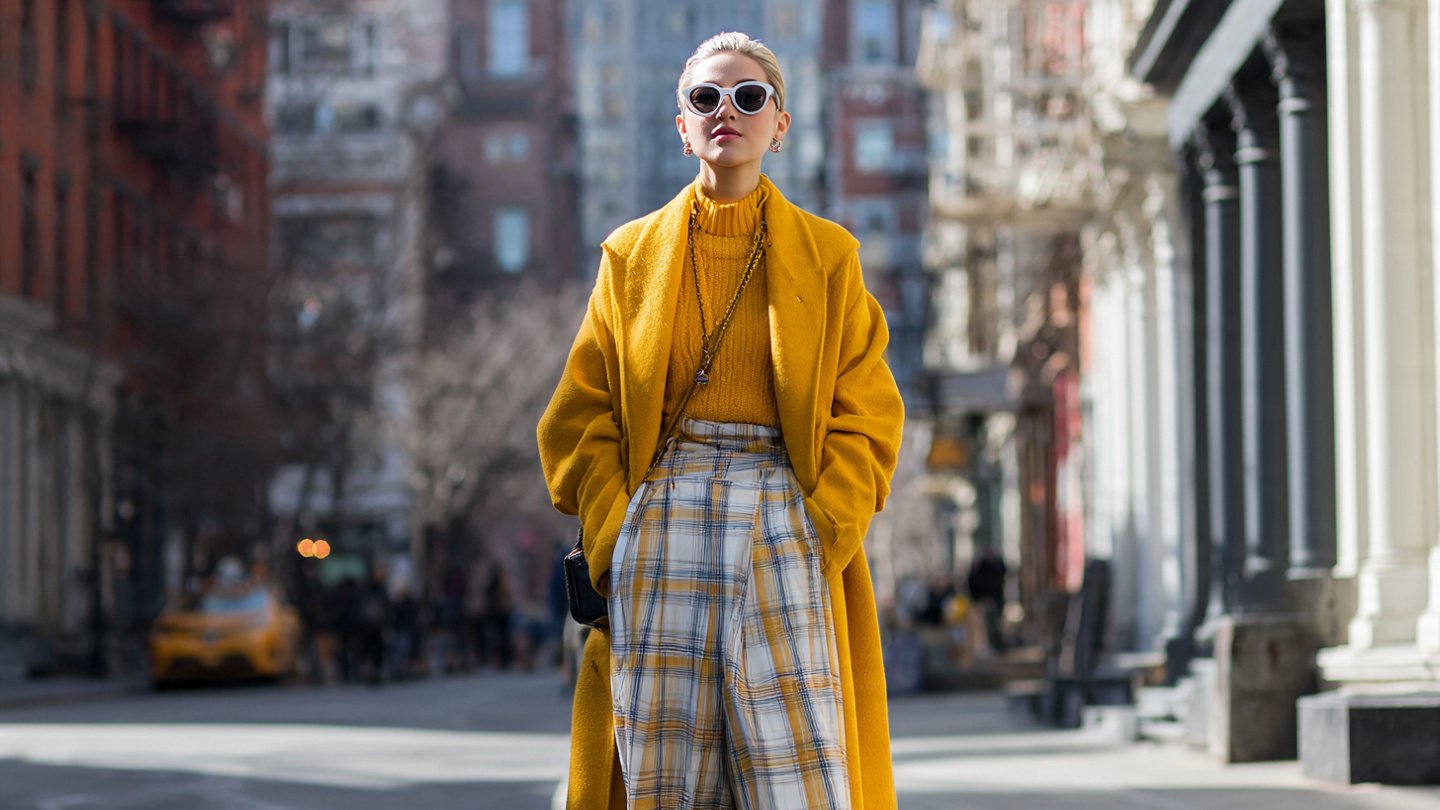
In today’s fast-paced fashion world, standing out while remaining comfortable can be a challenging task. However, one styling technique has proven to instantly elevate any outfit: layering. Whether you’re preparing for a casual day out or an elegant evening gathering, mastering the art of layering can transform your look from ordinary to extraordinary. This article will dive deep into the layering technique, providing tips, tricks, and combinations that will not only enhance your style but also give you the confidence you need to express yourself fully.
Understanding the Art of Layering
Layering involves wearing multiple pieces of clothing over each other, creating depth and dimension in your outfit. But it’s more than just putting on a few extra garments; it’s about understanding the proportions, textures, and colors that work harmoniously together. The beauty of layering lies in its versatility; you can mix and match various items to suit different occasions, seasons, and personal styles.
Benefits of Layering
- Versatility: Layering allows you to create new looks from your existing wardrobe, making it easier to adapt your outfit for various occasions.
- Comfort: You can adjust your layers according to the weather, ensuring that you’re always comfortable.
- Personal Style: Layering offers countless opportunities to showcase your unique style, from bohemian to chic.
- Texture and Depth: Mixing different fabrics and lengths can add interesting visual elements to your outfit.
The Basics of Layering
Before you start stacking clothing items, it’s crucial to understand the foundational aspects of layering:
1. Choose the Right Base Layer
Your base layer should be fitted and comfortable. This usually involves a simple t-shirt, tank top, or bodysuit that lays flat against your body. Neutral colors typically work best, allowing you to mix and match easily.
2. Add a Mid Layer
The mid layer provides insulation and adds depth to your outfit. This can include sweaters, cardigans, or long-sleeve shirts. Consider incorporating various textures, like knits or soft fabrics, which can enhance your overall look.
3. Top It Off with an Outer Layer
The outer layer serves both functional and stylistic purposes. It can range from jackets, blazers, or coats and should complement the colors and textures of the pieces underneath. Remember, this layer should not overpower the rest of your outfit.
Layering Style Tips
- Play with Textures: Mixing different materials like denim, leather, wool, and cotton can create a visually appealing outfit. For example, wearing a soft cotton t-shirt under a chunky knit cardigan paired with a leather jacket can feel both trendy and cozy.
- Experiment with Lengths: Combining short and long pieces can create a flattering silhouette. A cropped jacket over a longer top provides an appealing contrast and elongates your figure.
- Color Coordination: While neutral colors are great for layering, don’t shy away from incorporating bold colors or patterns. Just ensure they complement each other, whether through a color palette or similar tones.
- Play with Proportions: Including oversized pieces can add a contemporary flair. Pair an oversized sweater with fitted pants for that chic balance.
Layering for Different Occasions
Casual Outfits
For a relaxed day out, start with a fitted white t-shirt as your base layer. Add a loose denim jacket as your mid layer and finish with a light scarf for added texture. Complete the look with your favorite pair of ankle boots or sneakers.
Office Wear
For a polished work outfit, choose a tailored blouse as your base layer. Layer it with a fitted blazer and consider adding a long cardigan, allowing it to drape around your hips for a sophisticated touch. Pair this with high-waisted trousers or a pencil skirt for a professional finish.
Evening Looks
Transform a casual dress for an evening out by throwing on a leather jacket over it. Add a statement necklace and ankle boots to enhance your outfit’s elegance. If the weather calls for it, a tailored coat can add sophistication while keeping you warm.
Seasonal Layering
In winter, opt for thicker fabrics like wool and cashmere. In summer, consider lightweight layers like sheer cardigans or kimonos. Fall and spring are perfect for mixing various weights and styles, allowing for creative experimentation.
Layering Through Accessories
Accessories can also play a significant role in layering. Consider jewelry like long necklaces or layered bracelets to add visual interest to your outfit. Scarves can add warmth and texture, while hats can elevate any look effortlessly. Footwear also plays a key role—high-heeled boots can give an added touch of sophistication to your layered outfit.
Common Layering Mistakes to Avoid
Even though layering can elevate your style, there are common pitfalls to be aware of:
- Over-layering: Too many layers can create bulk instead of style. Stick to a maximum of three to four layers for a balanced look.
- Ignoring Proportions: Ensure that your layers are balanced; combining too many oversized items can overwhelm your figure.
- Not Considering the Climate: Layering should be practical. Consider the temperature and choose appropriate fabrics and weights.
- Matching Everything: While coordinating is essential, over-matching can look forced. Aim for harmonious combinations that seem effortless.
Conclusion
Layering is not just a practical way to dress; it’s an art form that can completely transform your outfit. By understanding the basics and playing with various textures, lengths, and colors, you can create looks that reflect your personality and style. Whether you’re dressing for a casual outing, the office, or a night out, mastering the layering technique ensures that you always look polished and stylish. So, embrace the versatility of layering, and watch as your outfits become more dynamic and chic, elevating your everyday style instantly.
FAQs
1. What are the best layering pieces for beginners?
Start with basic fitted tees, long-sleeve shirts, cardigans, and lightweight jackets. These are versatile and can be mixed and matched easily.
2. Can I layer with dresses?
Absolutely! You can layer dresses by adding a fitted turtleneck underneath or a jacket on top. This adds dimension and works well for different occasions.
3. How do I choose colors for layering?
Consider starting with a neutral base and adding one or two accent colors. Patterns can be included, but ensure they coordinate well with the solid pieces.
4. Should I layer for every season?
Layering can be adapted for nearly any season. In summer, opt for lighter, breathable fabrics. In winter, choose thicker materials to stay warm.
5. How can I ensure my layers don’t look bulky?
Choose fitted base layers and be mindful of the amount of fabric in each layer. Stick to a maximum of 3 to 4 layers for a balanced silhouette.