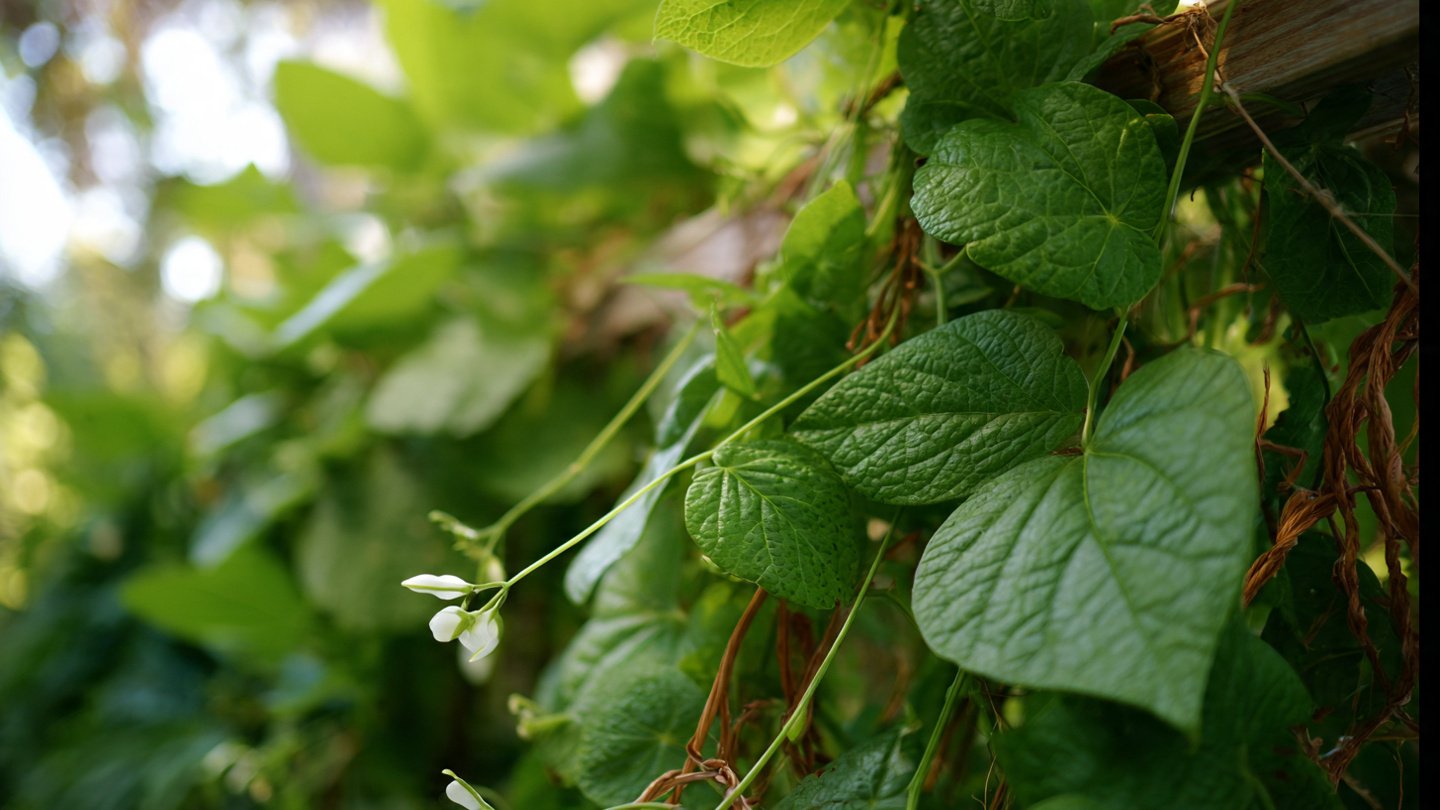
Introduction to Cowpea
Cowpea (Vigna unguiculata) is a versatile and resilient leguminous plant, often referred to as black-eyed pea, southern pea, or crowder pea. This crop is celebrated for its rich protein content, adaptability to various climates, and compatibility with diverse agricultural systems. Cowpea creepers, specifically, are a type of cowpea that grow as sprawling vines, making them suitable for home gardens, particularly in smaller spaces.
In this article, we’ll explore the most effective techniques for cultivating cowpea creepers in your home garden, covering everything from soil preparation to pest management and harvesting.
Benefits of Cultivating Cowpea Creeper
- High Nutritional Value: Cowpeas are rich in protein, fiber, vitamins, and minerals, making them a great addition to a balanced diet.
- Soil Improvement: As legumes, cowpeas fix nitrogen in the soil, enhancing soil fertility for subsequent crops.
- Water Efficiency: Cowpeas are drought-resistant, requiring less water than many other crops, making them ideal for gardens in areas with limited rainfall.
- Space-Saving: Being creepers, they can be grown in smaller spaces, trellising up vertical structures and saving valuable garden ground.
Preparing the Garden
Selecting the Right Location
Cowpeas prefer warm locations with full sunlight, ideally receiving 6-8 hours of direct light each day. When choosing a site in your garden, ensure it has good air circulation and is sheltered from strong winds to minimize damage to the plants.
Soil Requirements
- Soil Type: Cowpeas thrive in well-drained, sandy loam soil. They can tolerate a range of soil types but perform best in slightly acidic to neutral pH (6.0-7.0).
- Soil Preparation: Start by breaking up the soil and removing any weeds or debris. Adding organic matter, such as compost or well-rotted manure, will improve soil structure, water retention, and nutrient content.
Fertilization
Before planting, incorporate a balanced fertilizer into the soil. A NPK fertilizer with a ratio of 10-10-10 or similar will provide essential nutrients. However, since cowpeas can fix their own nitrogen, excessive nitrogen is unnecessary and can hinder plant growth.
Planting Cowpea Creeper
Planting Time
In most regions, cowpeas prefer to be planted in the spring, after the last frost has passed. They grow best when soil temperatures are between 70°F to 95°F (21°C to 35°C).
Seeding Techniques
- Direct Seeding: Sow seeds directly into the soil 1-2 inches deep, spaced about 3-6 inches apart in rows 3-4 feet apart. This method is effective in areas where soil conditions are favorable.
- Transplanting: If you start seeds indoors, transplant seedlings after they have developed at least two true leaves, ensuring to harden them off prior to planting.
Trellising
To maximize space and facilitate growth, install a trellis or other vertical support system. Cowpea creepers can naturally wrap around structures but require initial guidance to establish their growth direction.
Caring for Cowpea Creeper
Watering
Cowpeas are drought-tolerant, yet they benefit from consistent, moderate watering, especially during dry spells. Water at the base of the plants early in the morning to prevent mold and rot. Aim for about an inch of water per week.
Weed Control
Weeds can compete with cowpeas for nutrients and moisture. Regularly check for weeds and remove them by hand or use mulch to suppress weed growth. Organic mulches, such as straw or grass clippings, can also improve soil moisture retention.
Pest and Disease Management
- Common Pests: Watch for aphids, spider mites, and cowpea weevils. Use organic insecticidal soaps or neem oil to manage infestations, applying them as needed.
- Diseases: Cowpeas are susceptible to root rot, wilt, and fungal diseases. To minimize risks, practice crop rotation, maintain good soil drainage, and avoid overhead watering.
Harvesting
Cowpeas are typically ready to harvest 60-90 days after planting, depending on the variety and growing conditions. Pods can be harvested when they are firm and plump.
- Fresh Usage: For fresh peas, pick the pods when they are green and before they dry out.
- Drying: For dried peas, allow the pods to mature on the plant until they turn brown and leathery, then shell them and store in a cool, dry place.
Post-Harvest Care
Proper post-harvest care is essential for maintaining the quality of your cowpeas. After harvesting, let them dry for a few days in a cool, shaded area, then store in airtight containers. Dried peas can be used in various culinary dishes and preserve well over time.
FAQs about Cultivating Cowpea Creeper
1. Can cowpea creeper grow in containers?
Yes, cowpea creepers can thrive in containers. Choose a large enough pot (at least 5 gallons) and provide a trellis for support.
2. How often should I water cowpea creeper?
Water cowpea creepers once a week, or more frequently in extremely dry conditions. Ensure that the soil is well-drained to prevent root rot.
3. Are cowpea creepers frost-tolerant?
Cowpea plants are not frost-tolerant. Plant them after the last frost and ensure they are protected from cold temperatures.
4. Can I replant cowpeas from my harvest?
Yes, you can save seeds from your harvest to replant in the next season. Ensure the seeds are fully dry and store them in a cool, dark place.
5. What are some common varieties of cowpea creeper?
Popular varieties include ‘Black-eyed Susan’, ‘Pinkeye Purple Hull’, and ‘California Blackeye’. Each has unique flavor profiles and growth habits.
6. How can I improve the yield of my cowpea creeper?
To enhance yields, ensure optimal soil conditions, provide consistent watering, and manage pests effectively. Crop rotation and intercropping with complementary plants can also boost productivity.
Conclusion
Cultivating cowpea creepers in your home garden is an enriching endeavor that offers numerous benefits including enhanced nutrition, soil improvement, and efficient use of space. By following these effective techniques, you can enjoy a bountiful harvest of this nutritious legume while contributing positively to your local ecosystem. With a little care and attention, cowpea creepers can thrive in your backyard, providing delicious and healthy food for you and your family. Happy gardening!