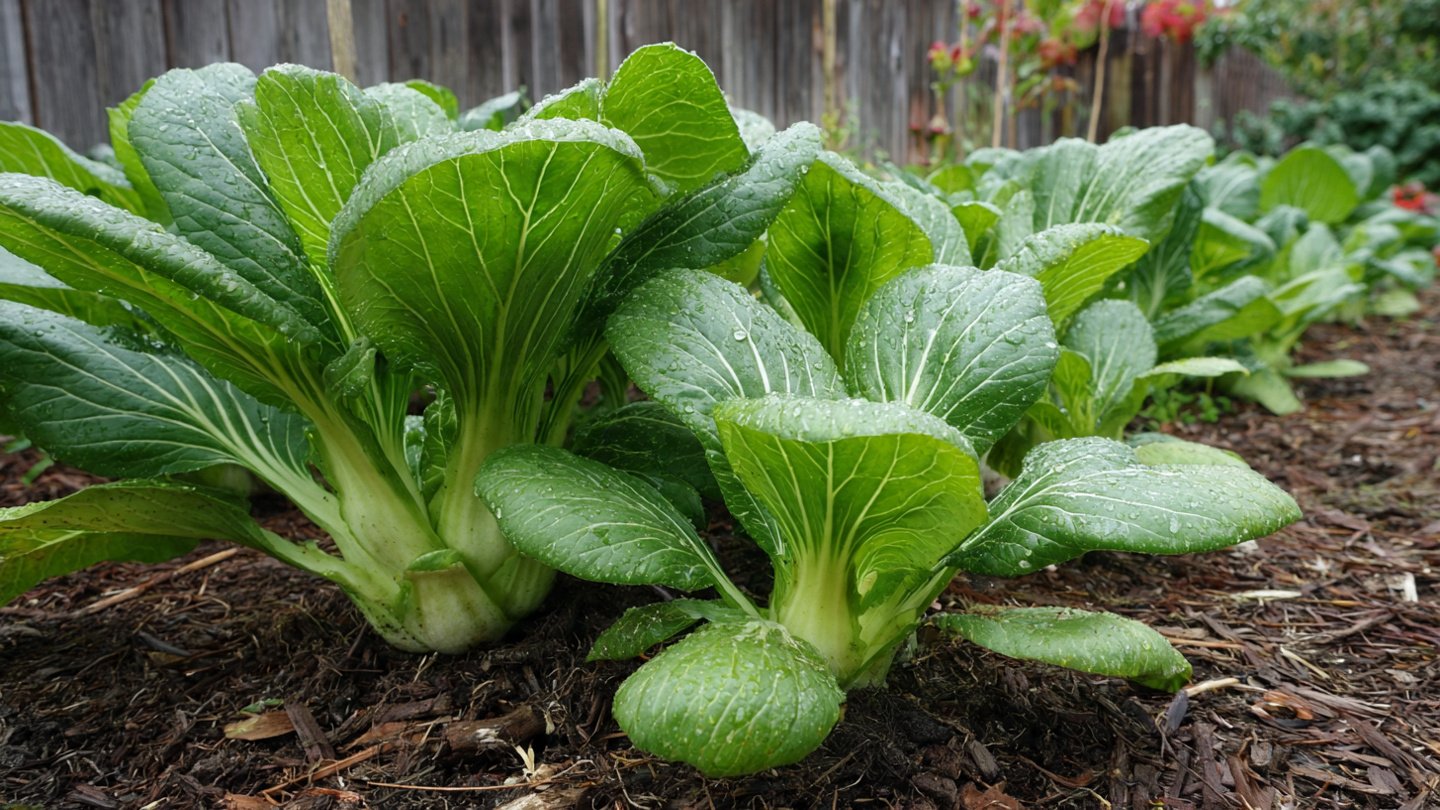
Growing vegetables in your backyard garden can be incredibly rewarding, both in terms of flavor and health benefits. One vegetable that’s gaining popularity among gardeners is the Shanghai bok choy. This versatile vegetable not only adds a delightful crunch to salads and stir-fries but also boasts numerous nutritional benefits. Whether you’re a seasoned gardener or just starting, this guide will walk you through the essentials of cultivating Shanghai bok choy in your garden.
What is Shanghai Bok Choy?
Shanghai bok choy, or Brassica rapa subsp. chinensis, is a distinct variety of bok choy, characterized by its larger, rounded leaves and sweet, tender stalks. Unlike traditional bok choy, it has a more pronounced flavor, making it an excellent addition to various dishes. It thrives in cooler climates, making it a great vegetable to grow in the spring and fall months.
Why Grow Shanghai Bok Choy?
-
Nutritional Benefits: This leafy green is rich in vitamins A, C, and K, and provides essential minerals like calcium and iron. It’s low in calories and high in fiber, making it a healthy choice for any diet.
-
Versatility in Cooking: Shanghai bok choy can be eaten raw or cooked. It can be incorporated into salads, stir-fries, soups, and even smoothies. Its mild flavor complements numerous dishes.
-
Fast-growing: One of the best aspects of cultivating Shanghai bok choy is its rapid growth. With the right conditions, you can harvest it within 30-45 days after sowing the seeds.
-
Pest Resistance: Bok choy is relatively pest-resistant, making it easier for home gardeners to grow without relying heavily on pesticides.
Getting Started: Planning Your Garden
1. Choosing a Location
Shanghai bok choy prefers a spot with well-drained soil and partial to full sunlight. Ideally, it should receive around 6 hours of sunlight per day. If your garden area experiences high temperatures, consider providing some shade, especially during the hottest part of the afternoon.
2. Soil Preparation
Before planting, it’s important to prepare your soil to ensure optimal growth. Shanghai bok choy thrives in rich, loamy soil with a pH of 6.0 to 7.5. Here’s how to prepare your soil:
-
Test the Soil: Use a soil testing kit to check the pH and nutrient levels. This will help you determine if you need to make any amendments.
-
Amend the Soil: Mix in plenty of organic matter such as compost or well-rotted manure to enhance fertility and improve drainage.
-
Tilling: Loosen the soil by tilling it up to 12 inches deep to allow roots to grow easily.
3. Choosing the Right Seeds
You can find Shanghai bok choy seeds at local garden centers or online retailers. Opt for organic seeds if possible, as they are often more resilient to pests and diseases. Popular varieties include ‘Win-Win’ and ‘Bok Choy Joy.’
Planting Shanghai Bok Choy
1. Timing
In general, Shanghai bok choy grows best in cooler weather. For spring planting, sow seeds directly in the garden as soon as the soil can be worked, typically 2-4 weeks before the last expected frost. For a fall crop, plant seeds about 6-8 weeks before the average first frost date.
2. Sowing Seeds
-
Seed Depth: Sow seeds about ¼-½ inch deep. Space seeds approximately 3 inches apart in rows that are 12-18 inches apart.
-
Thin Seedlings: Once the seedlings reach about 2-4 inches in height, thin them to be 6-12 inches apart to give each plant enough space to grow.
3. Watering
After sowing, keep the soil consistently moist but not soggy. Water the plants early in the morning to prevent diseases associated with excess moisture. Bok choy needs about 1-2 inches of water per week, depending on weather conditions.
Care and Maintenance
1. Fertilization
Fertilizing your Shanghai bok choy is essential for optimal growth. Use a balanced, organic fertilizer according to the package instructions. A nitrogen-rich formula works well, as it promotes leafy growth.
2. Pest Management
While bok choy is relatively pest-resistant, it can still be affected by aphids, cabbage worms, and flea beetles. Here are some strategies to manage pests:
-
Companion Planting: Interplant bok choy with herbs like basil and mints or flowers like marigolds to deter pests.
-
Handpicking: Regularly inspecting your plants and manually removing any pests can also be effective.
-
Natural Insecticides: If pest problems persist, consider using neem oil or insecticidal soap as a natural treatment.
3. Weed Control
Weeds can compete for nutrients and water, so regular weeding is essential. Mulching can also help suppress weeds while retaining moisture in the soil.
Harvesting
Shanghai bok choy is ready for harvest when the leaves are large enough, typically 6-10 inches in height. To harvest, cut the stalks at the base, leaving the roots intact if you want to encourage regrowth. For best taste, harvest in the morning when the leaves are crisp and firm.
Tips for Successful Growth
-
Monitor Temperature: Shanghai bok choy grows best in temperatures between 60°F and 75°F. If temperatures exceed 80°F, consider providing shade to avoid bolting (premature flowering).
-
Rotate Crops: To prevent diseases and pest build-up, practice crop rotation by planting bok choy in a different area of your garden each year.
-
Successional Planting: To ensure a continuous harvest, practice successional planting by sowing new seeds every 2-3 weeks until mid-summer.
FAQs
1. Can I grow Shanghai bok choy in containers?
Yes, you can grow Shanghai bok choy in containers as long as they are deep enough (at least 12 inches). Ensure proper drainage and use high-quality potting soil.
2. Is Shanghai bok choy a cool-season crop?
Yes, Shanghai bok choy is a cool-season crop that thrives in temperatures between 60°F-75°F and should be planted in early spring or late summer/early fall.
3. How do I know when to harvest?
You can harvest Shanghai bok choy when the leaves reach about 6-10 inches in height. The younger leaves are more tender and flavorful, so it’s best to harvest them early.
4. What diseases can affect Shanghai bok choy?
Common diseases include downy mildew, black rot, and damping-off. Good garden hygiene, proper spacing, and crop rotation can help prevent these issues.
5. Can I grow bok choy year-round?
In milder climates, you may be able to grow bok choy year-round. However, in colder regions, it’s best to plant during the cooler seasons to avoid bolting and poor growth during hot summers.
Conclusion
Growing Shanghai bok choy can be a delightful endeavor for any gardener. With its rich flavor, numerous health benefits, and relatively easy care requirements, it’s an excellent addition to your home garden. By following the tips and guidelines laid out in this article, you can enjoy a thriving crop of this delicious vegetable in no time. Happy gardening!