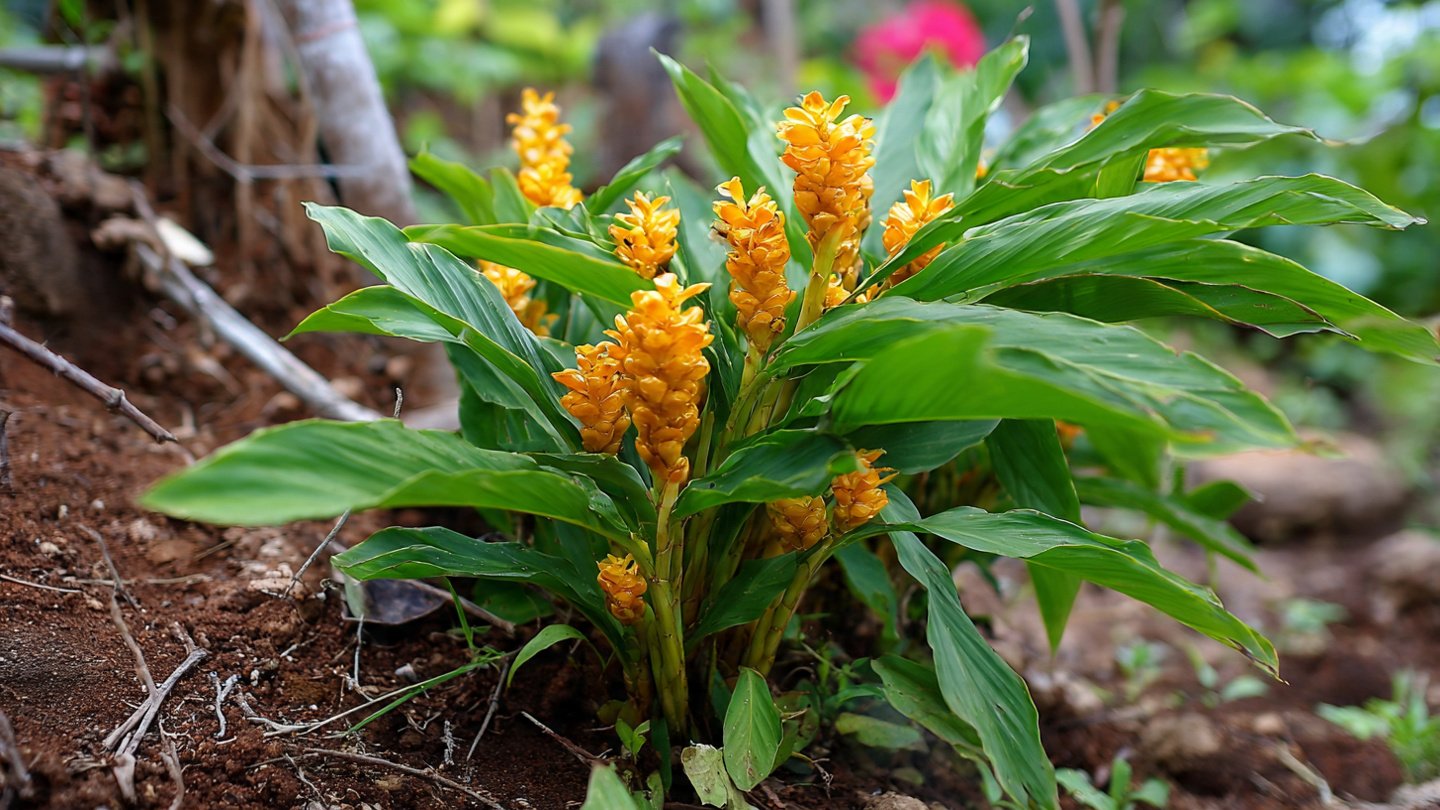
Turmeric, revered for its vibrant color and myriad health benefits, has been a staple in kitchens and traditional medicine across various cultures. Among the multitude of turmeric varieties, Lakadong turmeric stands out due to its high curcumin content and superior flavor. Native to the hills of Meghalaya, India, Lakadong turmeric has gained popularity not only for culinary uses but also for its potent health benefits. Growing this particular turmeric at home can enhance your spice garden and provide you with fresh, organic turmeric for your culinary and medicinal needs. In this article, we’ll explore the secrets to successfully cultivating Lakadong turmeric in your garden.
Understanding Lakadong Turmeric
Before diving into the cultivation process, it’s essential to understand what makes Lakadong turmeric special. Unlike regular turmeric, Lakadong turmeric boasts a higher curcumin concentration, making it more effective as an anti-inflammatory and antioxidant. Its golden-yellow rhizome, distinct flavor, and aroma label it a premium turmeric choice.
Benefits of Growing Lakadong Turmeric
- Health Benefits: Rich in curcumin, Lakadong turmeric can help manage inflammation, enhance immunity, and bolster digestive health.
- Culinary Uses: Fresh turmeric adds a distinct flavor and color to numerous dishes, while dried turmeric powder is commonly used in traditional spice mixes.
- Sustainable Gardening: Growing your own spices reduces reliance on store-bought goods, ensuring freshness and organic quality.
Ideal Growing Conditions
To successfully grow Lakadong turmeric, it’s vital to create the right environment that mimics its native habitat. Here’s what you need to consider:
Climate
Lakadong turmeric thrives in a humid, tropical climate with temperatures ranging from 25°C to 35°C (77°F to 95°F). It requires a minimum of 6-8 hours of bright, indirect sunlight per day. If you live in a region with a cooler climate, consider planting in containers so they can be moved indoors during colder months.
Soil
A well-draining, rich loamy soil is ideal for Lakadong turmeric. The soil should be abundant in organic matter, with a pH level between 6.0 to 7.0. Before planting, enrich your soil with compost or aged manure.
Watering
Turmeric loves moisture but is sensitive to standing water. Ensure regular watering, especially during dry spells, but avoid waterlogging. A good rule of thumb is to keep the soil consistently moist but not soggy.
Planting Lakadong Turmeric
Selecting Rhizomes
For planting, choose healthy, disease-free rhizomes. Ideally, select rhizomes with noticeable ‘eyes’ or shoots, as they will sprout faster. Local nurseries or online stores specialized in seed rhizomes can be good sources.
Planting Process
- Preparation: Soak the rhizomes in water for a few hours before planting. This promotes sprouting.
- Site Selection: Choose a location with partial shade to protect the plants from harsh sunlight, especially during their young growth stages.
- Planting: Dig trenches that are around 4-6 inches deep. Space the rhizomes about 12 inches apart to allow room for growth. Cover with soil and water gently.
Maintenance
- Mulching: Apply a layer of organic mulch around the plants to retain moisture, suppress weeds, and improve soil health.
- Fertilizing: Use an organic fertilizer or compost every 4-6 weeks. A balanced N-P-K (Nitrogen-Phosphorus-Potassium) fertilizer can also work well.
- Pest Management: Keep an eye out for pests like aphids and whiteflies. You can use neem oil or insecticidal soap as natural deterrents.
- Weeding: Regularly check for weeds that compete for nutrients and water. Hand-pulling root weeds is often the best approach.
Harvesting Lakadong Turmeric
Lakadong turmeric typically takes about 7-10 months to mature. Here’s how to know when it’s time to harvest:
- Aging: The foliage will begin to yellow and die back, indicating that the rhizomes are ready to be harvested.
- Harvesting: Carefully dig up the rhizomes with a spade, being cautious not to damage them. Use a knife to cut off the leaves and any small side shoots.
- Cleaning: Rinse the harvested rhizomes under running water to remove dirt and soil.
- Storage: Fresh turmeric can be stored in a cool, dry place for several weeks. For long-term storage, you can dry the rhizomes and grind them into powder.
Health Benefits of Lakadong Turmeric
- Anti-Inflammatory: Curcumin, the active ingredient in turmeric, helps reduce inflammation and can alleviate symptoms of arthritis.
- Antioxidant Properties: Helps protect the body from free radicals, reducing oxidative stress.
- Digestive Health: Turmeric can stimulate bile production, aiding in digestion and liver detoxification.
- Cognitive Function: Some studies suggest curcumin may improve brain function and reduce the risk of Alzheimer’s disease.
Frequently Asked Questions (FAQs)
1. How long does it take for Lakadong turmeric to grow?
Lakadong turmeric takes approximately 7 to 10 months from planting to harvest, depending on the growing conditions and care.
2. Can I grow Lakadong turmeric in pots?
Yes! Lakadong turmeric can be successfully grown in pots. Ensure the pots are deep enough, at least 12 inches, to accommodate root growth.
3. What is the best season to plant Lakadong turmeric?
The best time to plant Lakadong turmeric is at the beginning of the monsoon season or the pre-monsoon period, which provides the necessary moisture and warmth for growth.
4. How often should I water Lakadong turmeric?
Water regularly to keep the soil consistently moist. Typically, watering once a week is sufficient, but this may vary depending on climate and rainfall.
5. What pests and diseases should I watch out for?
Common pests include aphids, caterpillars, and whiteflies. Diseases like root rot can occur if the plants are overwatered. Regular monitoring and maintaining proper drainage can help mitigate these issues.
6. Can I use Lakadong turmeric immediately after harvesting?
Yes, fresh Lakadong turmeric can be used immediately, although it has a more potent flavor and aroma when dried and ground into powder.
7. How can I enhance the soil quality for better growth?
Incorporate organic matter like compost or well-rotted manure into the soil before planting. Regular mulching and adding organic fertilizers during the growing season also promote healthy soil.
8. Is Lakadong turmeric more beneficial than regular turmeric?
Lakadong turmeric is known for its higher curcumin content compared to many other turmeric varieties, making it potentially more beneficial for health, particularly in anti-inflammatory and antioxidant properties.
Conclusion
Growing Lakadong turmeric at home not only enriches your spice garden but also offers numerous health benefits. With the right conditions, care, and patience, you can cultivate this nutrient-rich plant and enjoy fresh turmeric year-round. Start your journey towards a healthier lifestyle today by integrating Lakadong turmeric into your home garden!