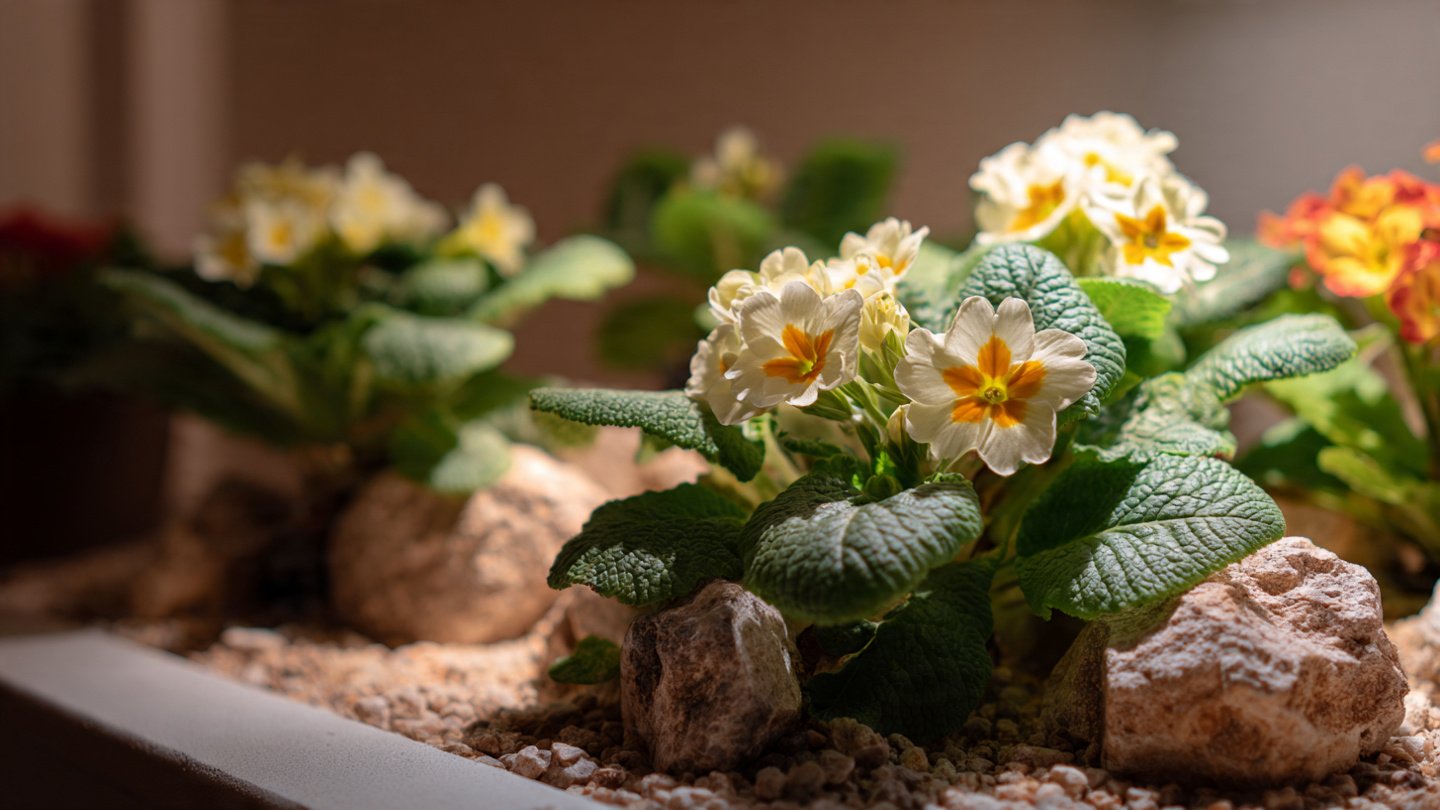
Polyanthus (Primula polyantha) is a delightful flower known for its bright colors, delicate petals, and ability to withstand cool temperatures. This charming perennial is not only a staple in gardens but can also bring a burst of color and life to indoor spaces. If you’re looking to create vibrant home displays with these fascinating flowers, this guide will walk you through the simple steps to successfully cultivate Polyanthus indoors.
Understanding Polyanthus
What is Polyanthus?
Polyanthus is part of the Primula family and is celebrated for its clusters of flowers that bloom in various shades, including red, blue, yellow, and white. These plants typically produce a rosette of leaves, which gives way to sturdy flower stalks. The name “Polyanthus” translates to “many flowers,” and certainly, these plants live up to that moniker!
Historical Background
Historically, the cultivation of Polyanthus dates back to the 18th century in Europe, where it became popular among gardeners for its hardiness and vibrant blooms. Due to its adaptability, Polyanthus has been hybridized into numerous varieties, offering a spectrum of colors and flower shapes.
Benefits of Cultivating Polyanthus Indoors
-
Vibrancy and Color: Polyanthus can instantly brighten up your home with their vivid flowers.
-
Air Quality: By cultivating plants indoors, you can help improve air quality, as they naturally filter toxins.
-
Low Maintenance: Once established, Polyanthus needs minimal care, making it suitable for both novice and experienced gardeners.
-
All-year Interest: With the right care, these plants can offer blooms during various seasons, ensuring your home stays vibrant year-round.
Steps for Successfully Cultivating Polyanthus Indoors
1. Choosing the Right Varieties
Not all Polyanthus cultivars are suitable for indoor cultivation. Recommended varieties for indoor growth include:
- “Crescendo”: Known for its large flower clusters and vibrant colors.
- “Gold Lace”: Features unique yellow petals with dark edges.
- “Violet”: A lovely blue-violet shade that contrasts beautifully with green foliage.
When selecting your plants, check for healthy foliage and abundant flower buds, ensuring they are free from pests and diseases.
2. Preparing the Perfect Potting Mix
Polyanthus thrives in well-draining soil that retains moisture without becoming soggy. A good potting mix can be created using:
- Peat Moss: Provides moisture retention.
- Perlite or Vermiculite: Ensures drainage.
- Compost: Offers necessary nutrients and supports healthy growth.
Recipe for Potting Mix:
- 2 parts peat moss
- 1 part perlite
- 1 part compost
Mix these ingredients thoroughly before filling your pots.
3. Choosing the Right Pot
Selection of the right pot is crucial for the growth of Polyanthus. Ideally, pots should be:
- Around 6-8 inches in diameter for young plants.
- With drainage holes to prevent waterlogging.
- Made from breathable materials such as clay or terracotta.
4. Light Requirements
Polyanthus prefers bright, indirect sunlight. While they can tolerate some direct sunlight, prolonged exposure may scorch their leaves. A sunny windowsill or a spot that receives filtered light for most of the day is perfect.
Light Placement Tips:
- Rotate your pots weekly to promote even growth.
- Use sheer curtains if the light is too intense.
5. Watering Essentials
Maintaining the right moisture level is critical for Polyanthus.
- Frequency: Water when the top inch of soil feels dry to the touch.
- Method: Water thoroughly until you see water draining from the bottom. Do not allow the plant to sit in water, as this can lead to root rot.
- Humidity: Polyanthus enjoys humidity. You can increase humidity by misting the leaves, using a humidity tray, or placing a small humidifier nearby.
6. Fertilizing Your Polyanthus
For optimal growth, fertilizing your Polyanthus is essential:
- Type: Use a balanced, water-soluble fertilizer, ideally one with equal ratios of nitrogen, phosphorus, and potassium (e.g., 20-20-20).
- Frequency: Fertilize every 4-6 weeks during the growing season (spring to early summer), and reduce feeding during the dormant winter months.
7. Pruning and Deadheading
Regular maintenance will help keep your Polyanthus looking its best:
- Deadhead Flowers: Regularly remove spent flowers to encourage new blooms and to maintain plant vigor.
- Pruning: Remove any dead or yellowing leaves to promote healthy growth.
8. Dealing with Pests
Polyanthus can be susceptible to common indoor pests like aphids and mealybugs. Keep an eye out for signs of infestations and treat them promptly:
- Insecticidal Soap: Effective against many pests; ensure application is on the undersides of leaves.
- Neem Oil: A natural pesticide that can work wonders on infestations.
9. Repotting
As your Polyanthus grows, they may require repotting every 1-2 years. Signs it’s time to repot include:
- Roots emerging from the drainage holes.
- Stunted growth, indicating the plant has outgrown its pot.
When repotting, gently loosen the root ball and place it into a slightly larger pot with fresh potting mix.
10. Knowing When to Bloom
Understanding when and how to manage the bloom cycle of Polyanthus will ensure that they display their vibrant colors to full effect.
- Blooming Cycle: Polyanthus typically blooms from late winter to early summer. A well-cared-for plant can produce new flowers throughout this period.
- Forcing Blooms: If you desire blooms out of season, you might need to simulate longer daylight hours with grow lights or keeping them in a brightly lit area.
Displaying Your Polyanthus Indoors
Once your Polyanthus is flourishing, showcasing them can further enhance your home decor. Consider the following display ideas:
- Grouped Arrangements: Combine different colors of Polyanthus for a vibrant display.
- Windowsills: Allow natural light to illuminate their beauty.
- Hanging Baskets: Create a unique hanging arrangement for a focal point.
FAQs
1. Can I grow Polyanthus from seeds indoors?
Yes, growing Polyanthus from seeds is possible, but they require careful timing and conditions. Start seeds indoors 8-10 weeks before the last frost, maintaining a moist environment until germination.
2. Is Polyanthus toxic to pets?
Polyanthus is generally considered non-toxic to pets; however, ingestion may cause mild digestion upset. Always consult a veterinarian if poison ingestion is suspected.
3. How do I know if my Polyanthus is receiving too much or too little water?
Signs of overwatering include yellowing leaves and root rot, while under-watering will cause leaves to wilt or curl. Adjust your watering practices accordingly.
4. Can Polyanthus thrive in low light conditions?
While Polyanthus can survive in low light, they won’t thrive. For optimal growth and blooming, ensure they receive bright, indirect sunlight.
5. Why are my Polyanthus flowers fading or wilting?
Fading or wilting flowers can be a sign of stress, which might be caused by inadequate watering, lack of light, or pest infestations. Assess your care routine and make necessary adjustments.
Conclusion
Cultivating Polyanthus indoors can be a rewarding and fulfilling experience. With the right care, these lovely blooms will grace your home with color and charm throughout the seasons. By following the steps and tips outlined in this guide, you’ll be well on your way to achieving vibrant displays and creating a joyful indoor garden. Happy gardening!