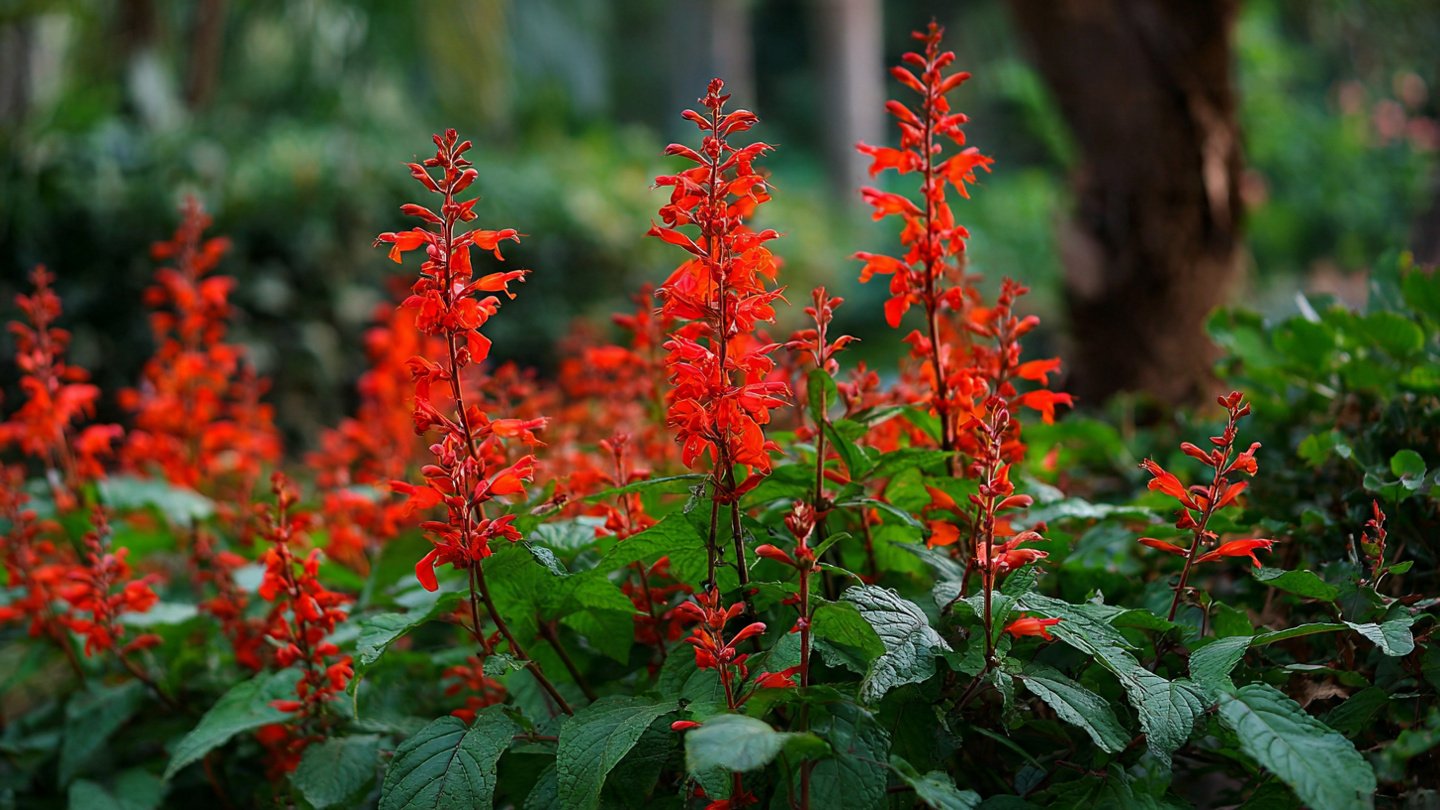
Salvia splendens, commonly known as the red salvia, is a stunning flowering plant renowned for its vibrant red, pink, or white flower spikes that grace gardens around the world. With its hardy nature and ability to thrive in various conditions, salvia splendens is a favorite among gardeners seeking to add color and life to their outdoor spaces. If you’re looking to cultivate this beautiful plant, you are in the right place. This article will guide you through a simple yet effective method for ensuring robust growth and blooming of salvia splendens in your garden.
Understanding Salvia Splendens
Before diving into the care and cultivation guidelines, it’s essential to understand salvia splendens and its requirements. As a tropical perennial, salvia splendens is native to Brazil. It is often grown as an annual in temperate climates. Here are some features that make salvia splendens a popular choice:
- Vibrant Colors: The bright red flowers are particularly eye-catching, attracting not only gardeners but also pollinators such as bees and hummingbirds.
- Long Blooming Period: Salvia splendens can bloom from spring until the first frost, providing a lengthy display of color.
- Low Maintenance: Once established, salvia requires minimal care, making it suitable for both novice and experienced gardeners.
- Versatility: The plant can be used in various garden settings, including borders, containers, and as ground cover.
Soil Preparation
Type of Soil
The first step to ensuring healthy salvia splendens growth is preparing the soil. This plant thrives in well-draining soil rich in organic matter. A mix of loamy soil with compost or aged manure improves drainage and provides essential nutrients.
Soil pH
Salvia splendens prefers a slightly acidic to neutral pH level, ideally between 6.0 and 7.0. Test your soil using a pH meter or a home testing kit, adjusting it as necessary with lime (to raise pH) or sulfur (to lower pH).
Soil Moisture
While salvia is drought-tolerant once established, it’s crucial to avoid overly dry conditions during the plant’s early growth stages. Ensure the soil is consistently moist but not soggy, as excessive moisture can lead to root rot.
Site Selection
Sunlight Requirements
Salvia splendens thrives best in full sun, requiring at least six hours of direct sunlight each day. Plan your garden layout to position salvia in a sunny spot for optimal growth and blooming.
Space Considerations
When planting salvia, spacing is crucial for air circulation and growth. Space plants approximately 12 to 18 inches apart to prevent overcrowding, which can lead to diseases and hinder growth.
Planting Techniques
Timing
The best time to plant salvia splendens is in the spring after the danger of frost has passed. In warmer climates, a late summer planting will also work.
Planting Depth
When planting salvia seedlings, dig a hole that is slightly larger than the root ball and deep enough to accommodate the roots without crowding. Make sure that the crown of the plant is level with the soil surface to prevent rot.
Watering After Planting
After planting, water the salvia well to facilitate the establishment of roots. Continue to keep the soil well hydrated for the first few weeks, gradually reducing water as the plants harden.
Fertilization
Initial Feeding
Fertilizing salvia can significantly enhance blooming. Use a balanced fertilizer, such as a diluted 10-10-10 NPK solution, right after planting. This initial feeding boosts root development and overall vigor.
Ongoing Fertilization
As blooming begins, apply a low-nitrogen fertilizer every 4–6 weeks to encourage flowers rather than foliage. Organic options like fish emulsion or seaweed extract can also work wonders without over-fertilizing.
Watering Guidelines
Frequency
Salvia splendens requires regular watering, especially during the hot summer months. Water the plants deeply but infrequently, allowing the top inch of soil to dry out between waterings.
Signs of Over and Under-Watering
Be attentive to the signs of your salvia. Yellowing leaves indicate overwatering, while wilting leaves suggest underwatering. Adjust your watering routine accordingly.
Pest and Disease Management
Salvia splendens is generally resistant to pests, but some issues can arise:
Common Pests
-
Aphids: These tiny pests can sometimes infest salvia, sucking sap from the leaves. Use neem oil or insecticidal soap to control aphid populations.
-
Spider Mites: Look for webbing and stippling on leaves. Increase humidity and use insect mites to address these pests.
Diseases
The most common disease in salvia splendens is powdery mildew, especially in humid conditions. To prevent this:
- Ensure good air circulation.
- Water the base of the plant to keep leaves dry.
- Remove any affected foliage immediately.
Pruning and Deadheading
When to Prune
Pruning is essential for promoting new growth and extending the blooming period. Late spring or early summer is an ideal time for pruning salvia splendens.
Deadheading
Regularly deadhead spent blooms throughout the growing season to encourage new flower spikes. This practice not only keeps your garden looking tidy but also promotes a more prolific blooming cycle.
Preparing for Winter
In colder climates, salvia splendens may not survive the winter. Here’s how to prepare:
Mulching
Apply a thick layer of mulch around the base of the plants to insulate the roots. This helps to regulate soil temperature and moisture.
Bringing Indoors
If you grow salvia in pots, consider bringing them indoors during colder months. Place them in a sunny spot and reduce watering, allowing the plants to go dormant.
Conclusion
Salvia splendens is a delightful addition to any garden, providing vibrant color and attracting pollinators. Following these simple methods for planting, caring, and maintaining salvia splendens will help you enjoy a thriving garden for many seasons to come. With a little knowledge and effort, you can create a flourishing display of this stunning plant that will enhance your outdoor space.
FAQs
1. How often should I water salvia splendens?
Water salvia deeply but infrequently, allowing the top inch of soil to dry out between waterings. This typically means watering once every 4–7 days, depending on the weather conditions.
2. Can salvia splendens be grown in pots?
Yes, salvia splendens is well-suited for container gardening. Ensure the pot has drainage holes and use a rich, well-draining potting mix.
3. What are the best companion plants for salvia splendens?
Some excellent companion plants include marigolds, zinnias, and cosmos, which all thrive in similar conditions and create a beautiful display.
4. How do I propagate salvia splendens?
Salvia can be propagated through cuttings or by collecting seeds. Softwood cuttings taken in early summer will root well when placed in a moist growing medium.
5. Is salvia splendens toxic to pets?
Salvia splendens is non-toxic to dogs and cats, making it a safe choice for pet owners.
With proper care, your salvia splendens will thrive, brightening your garden with its cheerful blooms season after season. Happy gardening!