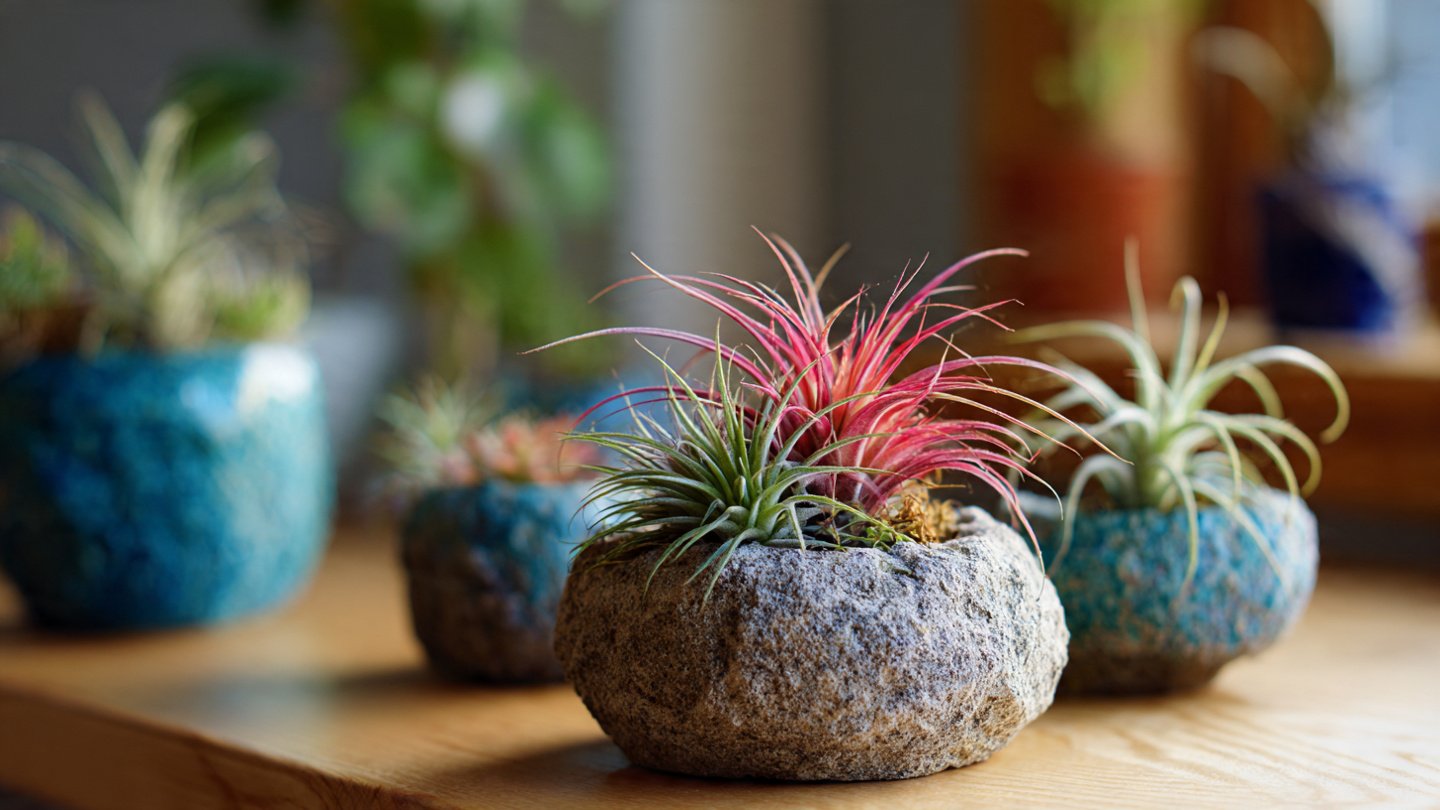
Indoor gardening has become increasingly popular as people look for ways to enhance their living spaces, promote wellness, and reconnect with nature. One of the simplest and most fascinating ways to bring greenery into your home is by cultivating air plants, also known as Tillandsia. Unlike traditional houseplants, air plants do not require soil to thrive. They absorb moisture and nutrients through their leaves, making them incredibly easy to care for. This article will guide you through the simple methods to cultivate air plants and create a stunning indoor garden.
1. Understanding Air Plants
What Are Air Plants?
Air plants belong to a family of bromeliads that naturally grow on trees, cliffs, or rocks. They are native to tropical and subtropical regions and are characterized by their ability to thrive without soil. Air plants draw moisture and nutrients from the air through their leaves using a process called trichome absorption.
Why Choose Air Plants?
-
Low Maintenance: Air plants require minimal care, making them perfect for individuals with busy schedules.
-
Versatile Display: They can be displayed in a variety of creative ways—mounted on driftwood, placed in terrariums, or arranged in unique holders.
-
Air Purification: Air plants can help purify indoor air by absorbing toxins and producing oxygen.
-
Aesthetic Appeal: With various textures and colors, air plants add visual interest to any space.
2. The Basics of Caring for Air Plants
Air plants are hardy but do have specific care requirements. Here are the key factors to keep in mind when cultivating air plants indoors:
Watering
Air plants need to be watered about once a week or every 10 to 14 days. The method of watering is essential:
-
Soaking Method: Submerge the plants in room-temperature water for about 20-30 minutes. Shake off any excess water and place them upside down on a towel to dry. This prevents water from sitting in the leaves, which can cause rot.
-
Misting Method: Use a spray bottle to mist the leaves lightly if soaking is not feasible. This method is less effective, so ensure you mist them adequately.
Light
Air plants thrive in bright, indirect sunlight. Placing them near a window with filtered light or in a well-lit room will keep them healthy. However, avoid direct sunlight, which can scorch the leaves.
Temperature and Humidity
Air plants prefer temperatures between 50°F and 90°F (10°C – 32°C). They thrive in humid environments, but average indoor humidity levels are typically adequate. If you live in a very dry area, consider running a humidifier or placing a tray of water near your plants.
Fertilizing
While air plants can survive without additional nutrients, a diluted bromeliad fertilizer can help them thrive. Fertilize once a month during the growing season (spring and summer) for best results.
3. Creating a Stunning Indoor Garden with Air Plants
Choosing the Right Location
Choosing the right location for your air plants is crucial. Consider areas that receive plenty of indirect light, such as living rooms or kitchens. Displaying your plants in places where you spend the most time enhances your indoor environment.
Creative Display Ideas
One of the best features of air plants is their versatility. Here are a few ideas to creatively arrange your indoor garden:
1. Terrariums
Creating a terrarium is a fun way to house air plants. Use glass containers, jars, or bowls to secure your plants. Add decorative stones, sand, or moss to complete the look.
2. Wall Art
Consider attaching air plants to a piece of wood or a decorative wall-mounted holder. This approach not only saves space but also creates a stunning focal point.
3. Hanging Displays
Use macramé hangers to suspend air plants in the air. This is an attractive way to showcase your plants while allowing them to receive ample indirect sunlight.
4. Centerpieces
Use air plants in a bowl or shallow dish as a centerpiece on your dining or coffee table. This eye-catching arrangement can be enhanced with candles, stones, or decorative elements.
5. Driftwood Arrangement
Place air plants on pieces of driftwood for a naturalistic, rustic look. Arrange them in groups of different sizes and varieties for an engaging display.
4. Propagating Air Plants
Air plants can be propagated through offsets, commonly known as “pups.” After blooming, many air plants will produce pups. Here’s how to propagate them:
Steps to Propagate
-
Wait for Pups: Allow your air plant to grow pups—these will develop at the base of the mother plant.
-
Remove the Pup: Once the pup is about one-third the size of the mother plant, gently twist it off.
-
Let it Heal: Place the pup in a shaded area for a few days to heal before introducing it to water.
-
Water and Care for the Pup: Care for the new plant as you would a mature air plant, ensuring it receives proper light and moisture.
5. Troubleshooting Common Issues
Brown Tips
Brown tips on air plant leaves can indicate dehydration. Ensure they are adequately watered and check that they are not exposed to direct sunlight for too long.
Yellowing Leaves
Yellow leaves might point to overwatering. Reduce the frequency of soaking and ensure your plants are drying properly.
Mold or Fungi
If you notice mold or fungi on your air plants, it may be due to excessive moisture. Increase air circulation and reduce watering frequency.
FAQs
1. Can air plants survive in low light?
Air plants can tolerate low light, but they will thrive and grow much better in bright, indirect sunlight. If you have a low-light environment, consider using a grow light.
2. How often should I water my air plants?
Water your air plants once a week or every 10-14 days. Use the soaking method for best results.
3. Do air plants need fertilizer?
While air plants can survive without fertilizer, applying a diluted bromeliad fertilizer once a month during the growing season can promote healthy growth.
4. Can I keep air plants outside?
Air plants can be kept outside, but ensure they are protected from extreme temperatures, direct sunlight, and harsh weather conditions.
5. How do I know if my air plant is healthy?
Healthy air plants should have vibrant, green leaves with no signs of discoloration or wilting. They should feel firm and not mushy.
Conclusion
Creating an indoor garden with air plants is both simple and rewarding. These unique plants allow for ultimate creativity in design, while their low-maintenance nature makes them perfect for any living space. By following the tips outlined in this article—understanding their care needs, exploring innovative display methods, and knowing how to troubleshoot common issues—you can cultivate a stunning indoor garden that not only beautifies your home but also contributes to a healthier environment. Embrace your green thumb and let your air plants thrive!