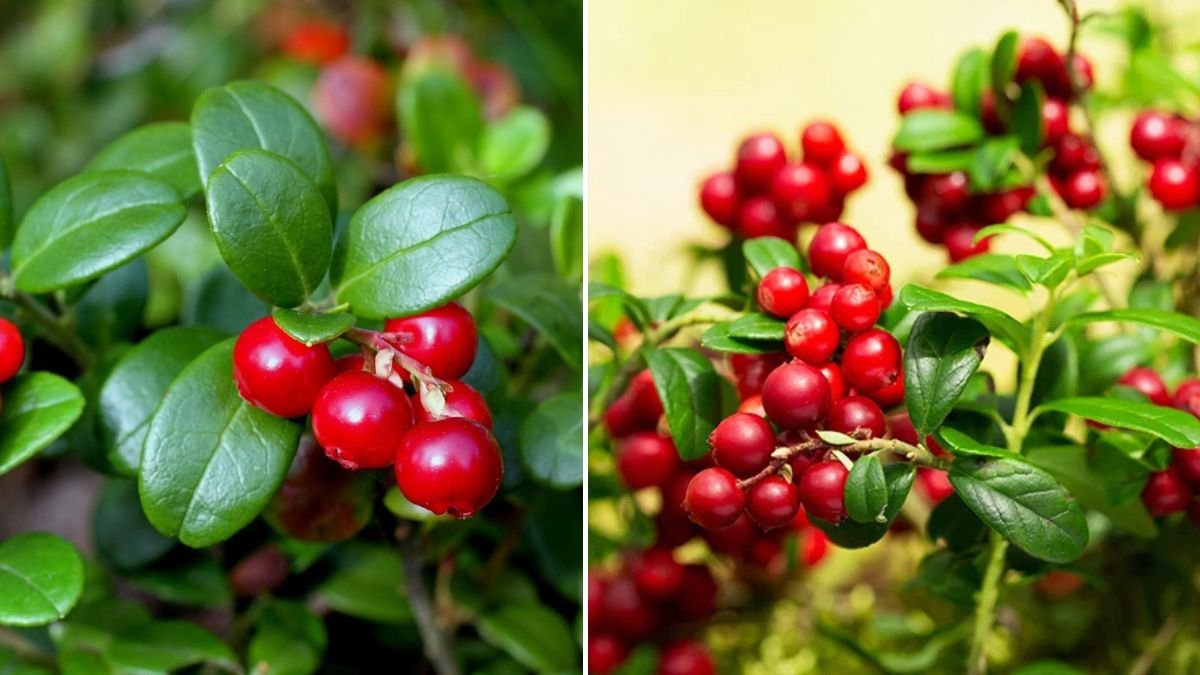
Lingonberries (Vaccinium vitis-idaea) are small, red berries that have gained popularity not just for their delightful tart flavor but also for their impressive nutritional profile. Rich in antioxidants, vitamins, and minerals, they are a superfood that can be easily incorporated into your diet. If you’re eager to grow these berries at home, you’re in the right place. This article will explore the ultimate method for rapidly growing lingonberries in your garden or patio and culminate in a comprehensive FAQ section to answer common questions.
1. Understanding Lingonberries
1.1 What Are Lingonberries?
Lingonberries are perennial, evergreen shrubs that thrive in acidic soils and cooler climates. They grow close to the ground, reaching heights of 6 to 12 inches. Their small, bright red berries are both tart and sweet, often compared to cranberries. Lingonberries are commonly used in jams, jellies, and sauces, and are an excellent addition to various dishes.
1.2 Nutritional Benefits
Lingonberries are rich in vitamins A and C, fiber, and important antioxidants. They are known for their potential health benefits, including:
- Antioxidant Properties: Help combat oxidative stress and inflammation.
- Antimicrobial Effects: Some studies suggest they might help reduce the risk of urinary tract infections.
- Blood Sugar Regulation: May aid in maintaining blood sugar levels due to their low glycemic index.
2. Choosing the Right Location
2.1 Sunlight Requirements
Lingonberries thrive in full sun to partial shade. Aim for a location that receives at least six hours of direct sunlight each day.
2.2 Soil Type
Lingonberries prefer acidic, well-drained soil with a pH level between 4.5 and 5.5. Soil that retains moisture but drains well is ideal for these berries.
2.3 Temperature Considerations
These hardy shrubs can withstand cold temperatures, making them suitable for USDA hardiness zones 2 to 7. If you’re in a warmer region, consider container gardening to provide more control over their environment.
3. Preparing the Soil
3.1 Soil Testing
Before planting lingonberries, conduct a soil test to understand the pH and nutrient levels. Various kits are available at garden centers or through local agricultural extensions.
3.2 Amending the Soil
If your soil is not acidic enough, you can lower the pH by adding elemental sulfur or peat moss. Adding organic matter, such as compost, will provide additional nutrients and improve soil structure.
4. Plant Selection
4.1 Choosing Plants
You can start lingonberries from seeds, cuttings, or nursery plants. Seed propagation can be slow and variable, so buying nursery-grown plants is often recommended for a quicker yield. Look for disease-resistant varieties, and consider planting more than one variety for better cross-pollination.
4.2 Recommended Varieties
Some popular lingonberry varieties include:
- ‘Erntesegen’: Known for its high yield and early fruiting.
- ‘Rubra’: Offers larger berries and a vigorous growth habit.
- ‘Koralle’: A compact variety ideal for smaller gardens.
5. Planting Lingonberries
5.1 Optimal Planting Time
The best time to plant lingonberries is in early spring or late fall. This timing allows the plants to establish their root systems before the more demanding summer months.
5.2 Planting Technique
- Digging the Hole: Create a hole that is twice the size of the root ball.
- Spacing: Space your lingonberry plants 18 to 24 inches apart to allow for airflow and growth.
- Planting: Place the shrub at the same depth as it was in the nursery pot. Cover the roots with soil and gently firm it down.
5.3 Watering
Water the newly planted shrubs deeply, allowing the top inch of soil to dry out before watering again. Lingonberries prefer consistently moist but not soggy soil.
6. Care and Maintenance
6.1 Mulching
Apply a layer of organic mulch, such as pine needles or bark, around the base of the plants to retain moisture, suppress weeds, and maintain soil acidity.
6.2 Fertilizing
Fertilize lingonberries in early spring with a balanced, slow-release fertilizer designed for acid-loving plants. Avoid high-nitrogen fertilizers that can promote excessive foliage growth at the expense of fruit.
6.3 Pruning
Prune your lingonberry plants in late winter or early spring to remove dead or damaged branches and promote airflow. This helps to keep plants healthy and maximizes fruit production.
6.4 Pest and Disease Management
Lingonberries are relatively pest-resistant. However, keep an eye out for aphids and spider mites. Use insecticidal soap or neem oil if necessary. Rotating crops and practicing good sanitation can help minimize diseases.
7. Harvesting Lingonberries
Lingonberries are ready to harvest in late summer to early fall, when the berries are bright red and firm. They can be gently handpicked or harvested with a berry rake.
7.1 Storage
Fresh lingonberries can be stored in the refrigerator for up to two weeks. Alternatively, they can be frozen for extended storage or made into jams and sauces.
7.2 Culinary Uses
Lingonberries can be used in various dishes, including:
- Sauces for meats like moose, lamb, and duck.
- Toppings for yogurt or pancakes.
- Ingredients in smoothies and baked goods.
8. Troubleshooting Common Issues
8.1 Poor Growth
If your lingonberry plants are not growing well, check the pH level of your soil. Also, ensure they are receiving enough sunlight and that their roots are not waterlogged.
8.2 Low Fruit Yield
Insufficient pollination or lack of proper pruning may lead to low fruit yield. Consider planting multiple varieties and ensuring adequate airflow among plants.
9. Conclusion
Growing lingonberries at home can be a rewarding and enjoyable experience. With proper care and attention, you can cultivate a healthy patch of these nutritious berries that can enhance your culinary repertoire. By following the steps outlined in this article, you’ll be well on your way to reaping the benefits of these superfoods.
FAQs
Q1: How much sunlight do lingonberries need?
A: Lingonberries thrive in full sun to partial shade and require at least six hours of direct sunlight daily.
Q2: Can I grow lingonberries in containers?
A: Yes, lingonberries can be grown in containers, which allows for better control over soil conditions and drainage.
Q3: How long does it take for lingonberries to produce fruit?
A: Generally, lingonberry plants start producing fruit 2-3 years after planting.
Q4: What pests should I look out for?
A: Common pests include aphids and spider mites. Regular monitoring and the use of insecticidal soap can help manage these issues.
Q5: Can I grow lingonberries in warmer climates?
A: Lingonberries prefer cooler climates but can be grown in warmer areas if planted in containers to regulate their environment.
Q6: What is the best fertilizer for lingonberries?
A: A balanced, slow-release fertilizer designed for acid-loving plants is ideal. Avoid high-nitrogen formulas.
Q7: How do I identify if my soil is acidic enough?
A: A soil test can determine pH levels. Lingonberries prefer a pH between 4.5 and 5.5.
Q8: Do lingonberries require cross-pollination?
A: While they self-pollinate, planting multiple varieties can enhance fruit yield through cross-pollination.
By following this guide and using the FAQs as a resource, you’ll set yourself up for a successful lingonberry garden that provides you with delicious and healthy berries for years to come. Happy gardening!