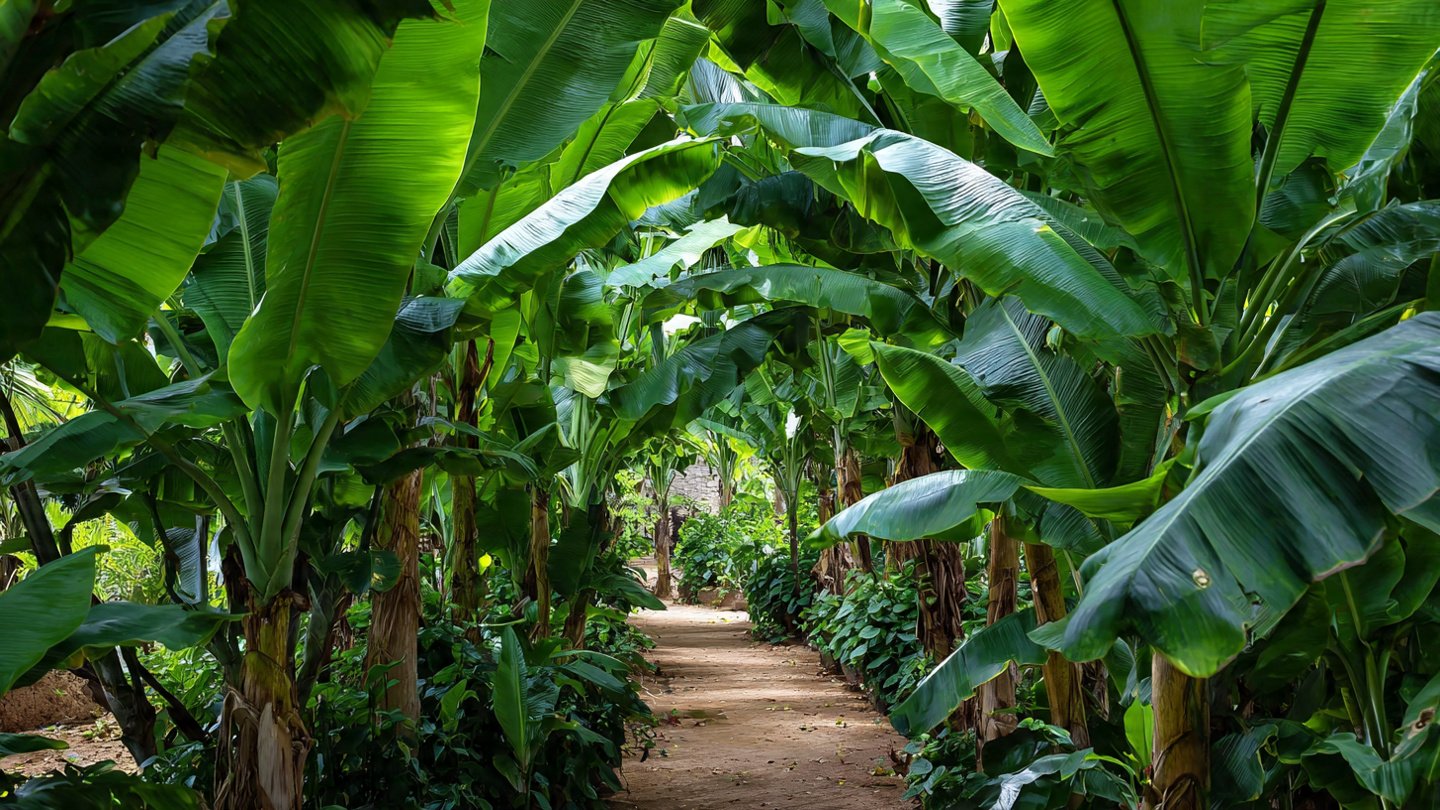
Ornamental banana plants, known scientifically as Musa species, are a striking addition to any garden. With their lush foliage, towering heights, and unique fruit, they offer a tropical charm that can transform any landscape. Whether in containers on a patio or as a bold statement piece in a garden bed, these plants are not just about aesthetics. This article aims to provide an in-depth guide on successfully growing ornamental banana plants, including ideal conditions, care tips, and potential issues you might encounter along the way.
Understanding Ornamental Banana Plants
Ornamental banana plants differ from the typical fruit-bearing bananas that we consume. They are often non-productive or produce small, inedible fruits. However, they excel in decorative value with their broad leaves and impressive stature. Popular varieties include:
- Musa basjoo (Japanese Banana): Hardy in cooler climates, with thick leaves.
- Musa acuminata: Known for their vibrant green foliage and stunning appearance.
- Musa velutina: Features pink bananas and is smaller in stature, perfect for smaller gardens.
These varieties not only enhance visual appeal but also attract wildlife like birds and pollinators.
Ideal Growing Conditions
1. Climate
Ornamental bananas thrive in tropical and subtropical climates. They prefer temperatures between 75°F and 95°F. If you live in a cooler region, consider planting them in pots so you can bring them indoors during the colder months.
2. Light Requirements
These plants love full sun, requiring at least 6-8 hours of sunlight per day. However, they can benefit from partial shade in extremely hot climates to protect their leaves from sunburn.
3. Soil
A well-draining soil mix rich in organic matter is essential. You can enhance your garden soil by mixing in compost or well-rotted manure. The pH level should ideally be around 5.5 to 7.0.
4. Watering Needs
Banana plants require consistent moisture but dislike soggy soil. Watering them deeply when the top inch of soil feels dry is a good practice. Mulching around the base can help retain soil moisture.
5. Fertilization
During the growing season (spring through early fall), feed your banana plants with a balanced fertilizer rich in potassium, phosphorus, and nitrogen every 4-6 weeks. A slow-release fertilizer or organic options like fish emulsion can work well.
Planting Ornamental Banana Plants
1. Choosing the Right Location
Select a spot that receives ample sunlight and has good soil drainage. Avoid low-lying areas where water tends to pool, as this can lead to root rot.
2. Planting Technique
- Pots: For container planting, choose a pot that is at least 18 inches deep and wide. Fill it with the prepared soil mix and plant the banana at the same depth it was growing in its original pot.
- Garden Beds: Dig a hole that is twice as wide as the root ball. Remove any rocks or debris, place the plant, and fill in with soil, ensuring it’s secure.
3. Spacing
If planting multiple banana plants, ensure they are spaced at least 3-5 feet apart to allow for their large leaves and eventual height.
Care and Maintenance
1. Pruning
Regular pruning helps maintain the health and aesthetic of banana plants. Remove dead leaves and spent flower stalks. Pruning should be done at the base, encouraging new growth.
2. Pest and Disease Control
Common pests include aphids, spider mites, and banana weevils. Regularly inspecting the leaves and applying insecticidal soap or neem oil if necessary can help.
Ornamental banana plants can suffer from diseases like fungal infections if the humidity is too high. Ensure proper airflow around the plants and avoid over-watering.
3. Overwintering
In cooler climates, it is crucial to take steps for overwintering your ornamental bananas. You can either bring potted plants indoors or mulch heavily around the base of outdoor plants to protect the roots. In extreme cold, consider wrapping the trunk with burlap.
Potential Problems
1. Leaf Damage
Brown tips on the leaves can indicate underwatering or low humidity. Increasing humidity and watering more frequently can mitigate this.
2. Root Rot
Too much moisture can lead to root rot. Action steps include reducing watering frequency and ensuring good drainage.
3. Limited Growth
If your ornamental banana plant seems stunted, consider the soil’s nutrient levels. Regular fertilization and the addition of organic matter can enhance growth.
Propagation Techniques
1. Division
The most common method to propagate banana plants is through division. This process should be done in spring or early summer when the plant is actively growing.
- Carefully remove the plant from the soil.
- Separate suckers (small offshoots) from the main plant.
- Replant these suckers in suitable soil and care for them as you would the parent plant.
2. Tissue Culture
For those interested in a more advanced technique, tissue culture can be used to propagate bananas. This method is typically done in controlled environments and requires special equipment.
Creating an Aesthetic Appeal
1. Companion Planting
Ornamental banana plants pair beautifully with other tropical species like elephant ears and canna lilies. This creates a lush, exotic look in your garden.
2. Vertical Gardening
Utilizing banana plants for vertical gardening can maximize small spaces. Plant them along a fence or wall to create a green backdrop.
3. Incorporating Hardscapes
Adding rocks, pathways, or garden structures can create interest around your ornamental bananas. These elements can help delineate planting areas while adding texture.
Conclusion
Ornamental banana plants truly bring a piece of the tropics to your garden. With the right care, your banana plants can thrive and transform your outdoor space into a stunning tropical oasis. Whether you choose to grow them in pots, beds, or as part of a larger landscape, their striking presence won’t go unnoticed.
FAQs
1. How often should I water my ornamental banana plant?
Water deeply when the top inch of the soil feels dry. Typically, this may be every 3-7 days depending on the weather and soil conditions.
2. Do ornamental banana plants produce edible fruit?
Most ornamental bananas produce small, inedible fruits or no fruit at all, focusing instead on foliage appearance.
3. Can I grow ornamental banana plants indoors?
Yes, you can grow them indoors provided they receive sufficient sunlight and the right humidity levels.
4. What temperature is too cold for ornamental banana plants?
Ornamental bananas prefer temperatures above 60°F. Prolonged exposure to temperatures below 50°F can cause damage.
5. How do I know if my banana plant is getting too much sun?
Brown spots or crispy leaf edges can indicate too much sun exposure. Consider providing some afternoon shade.
By following these strategies, you’ll be on your way to cultivating beautiful ornamental banana plants that will enhance your garden’s appeal and provide a touch of tropical beauty. Happy gardening!