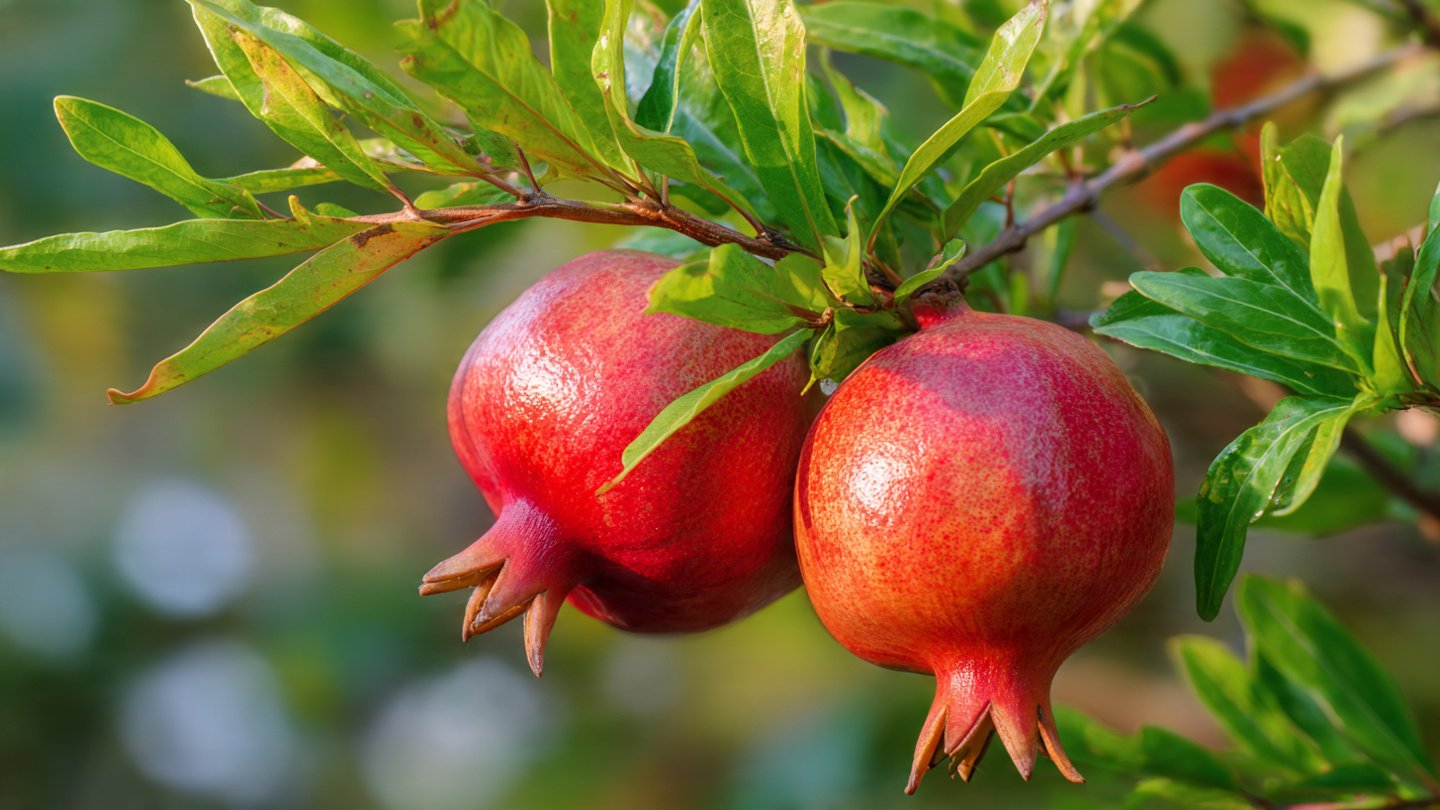
Pomegranates (Punica granatum) are not just renowned for their delicious, jewel-like seeds and tangy flavor. They are also celebrated for their numerous health benefits, including high antioxidant levels and potential anti-inflammatory properties. Growing pomegranates is relatively straightforward, but to achieve optimal growth and fruiting, certain techniques can accelerate their growth. This guide will provide you with simple yet effective strategies for promoting vigorous pomegranate tree growth and maximizing fruit yield.
1. Understanding Pomegranate Trees
Before diving into growth techniques, it’s essential to grasp the basics of pomegranate trees. They are deciduous shrubs or small trees that can grow up to 30 feet tall. Native to the Middle East, they thrive in arid and semi-arid climates, preferring well-drained soils and warm temperatures.
Key Characteristics:
- Hardiness Zones: Pomegranates grow best in USDA zones 7-10.
- Watering Needs: They require average water but can tolerate drought once established.
- Light Requirements: Full sun (6-8 hours of direct sunlight daily) is ideal for optimal growth.
2. Site Selection and Preparation
2.1 Choosing the Right Location
When planting pomegranates, selecting an appropriate site is crucial. Look for a location that receives ample sunlight, is sheltered from strong winds, and has good drainage. Avoid areas where water tends to collect or where the soil is heavy and clay-like.
2.2 Soil Preparation
Pomegranate trees prefer sandy loam or loamy soil. To prepare the soil:
- Testing Soil: Conduct a soil test to determine pH levels and nutrient content. Pomegranates prefer slightly acidic to neutral pH (between 5.5 and 7).
- Amending Soil: If necessary, amend the soil with organic matter such as compost or well-rotted manure to improve its structure and nutrient content.
- Drainage Improvement: If your soil retains water, consider establishing raised beds or planting on mounds to improve drainage.
3. Planting Techniques
3.1 Timing
The best time to plant pomegranates is during spring after the last frost or in fall before the first frost. This ensures that the plant can establish its root system before facing extreme temperatures.
3.2 Planting Steps
- Digging the Hole: The planting hole should be about twice the width of the root ball and equally deep.
- Positioning the Tree: Place the tree at the same depth it was growing in the nursery. The graft union should sit above soil level.
- Backfilling: Fill the hole with the amended soil, ensuring there are no air pockets. Water thoroughly after planting.
- Mulching: Apply a 2-3 inch layer of mulch around the base of the tree to retain moisture and suppress weeds.
4. Watering Techniques
4.1 Establishing a Watering Schedule
Pomegranates are drought-resistant, but consistent watering during the first couple of years is crucial to establish a strong root system.
- Frequency: Water deeply once a week, ensuring the water reaches 12-18 inches into the soil.
- Signs of Underwatering: Yellowing leaves or wilting can indicate physiological stress.
- Signs of Overwatering: Root rot and leaf drop are signs of excessive moisture.
4.2 Drip Irrigation System
To enhance efficiency, consider installing a drip irrigation system. This method delivers water directly to the root zone, reducing waste and preventing water stress.
5. Nutritional Requirements
5.1 Fertilization
Nurturing pomegranate trees with the right nutrients is vital for healthy growth.
- Initial Feeding: Apply a balanced fertilizer (e.g., 10-10-10 NPK) in spring when new growth begins. Follow the manufacturer’s instructions for quantities.
- Organic Options: Use compost or fish emulsion as organic alternatives, which provide slow-release nutrients.
- Seasonal Adjustments: For established trees, reduce fertilization frequency to once or twice a year.
5.2 Micronutrients
Pomegranates may require micronutrients such as zinc and iron for optimal growth. Consider foliar sprays if deficiencies are suspected.
6. Pruning for Growth Acceleration
Pruning is essential for promoting healthy growth and increasing fruit yield.
6.1 When to Prune
Early spring, just before new growth begins, is the best time to prune pomegranates.
6.2 Pruning Steps
- Remove Dead or Diseased Wood: Start by cutting away any dead or diseased branches to encourage healthy growth.
- Shape the Tree: Maintain an open center by removing inward-growing branches. This improves air circulation and sunlight penetration.
- Thinning Fruits: If the tree bears too many fruits, thin them to allow remaining fruit to grow larger and healthier.
7. Pest and Disease Management
7.1 Common Pests
Pomegranates can face threats from pests like aphids, whiteflies, and pomegranate fruit borer.
- Monitoring: Regularly inspect plants for signs of pest infestation.
- Control Methods: Use insecticidal soap or neem oil as environmentally friendly options.
7.2 Common Diseases
Overwatering and high humidity can lead to root rot and fungal infections like grey mold.
- Prevention: Ensure proper drainage and remove fallen leaves to reduce disease risks.
- Treatment: Apply appropriate fungicides if needed, but opt for organic versions when possible.
8. Harvesting Techniques
8.1 When to Harvest
Pomegranates typically take 5-6 months to ripen after flowering. Harvest when the skin is hard and the fruit emits a metallic sound when tapped.
8.2 Harvesting Steps
- Use Pruning Shears: Cut the fruit with pruning shears to avoid damaging the tree.
- Storage: Store harvested fruits in a cool, dry place for optimal freshness.
9. FAQs
1. How long does it take for a pomegranate tree to bear fruit?
Pomegranate trees typically begin to produce fruit in the third year after planting, although some may take up to five years.
2. Can pomegranates grow in pots?
Yes, pomegranates can thrive in pots, making them suitable for patios or balconies. Choose a large pot with good drainage, and ensure consistent watering.
3. What’s the best soil for pomegranate trees?
Pomegranates prefer well-drained sandy loam or loamy soil with a pH between 5.5 and 7.
4. How often should I water my pomegranate tree?
During the first two years, water your tree deeply once a week. Established trees are more drought-resistant and may require less frequent watering.
5. What pests should I watch for?
Common pests include aphids, whiteflies, and the pomegranate fruit borer. Regular monitoring is essential for early detection.
6. Is it necessary to prune pomegranate trees?
Pruning is beneficial for promoting healthy growth, increasing fruit yield, and maintaining the tree’s shape.
Conclusion
With the right techniques, growing pomegranates can be a rewarding venture. By selecting an ideal location, preparing the soil properly, providing adequate water and nutrition, and managing pests, you can accelerate the growth of your pomegranate trees and enjoy abundant fruit harvests. Remember, patience is key—pomegranates may take time to bear fruit, but with proper care, they will reward you with luscious, nutrient-rich seeds for years to come. Happy gardening!