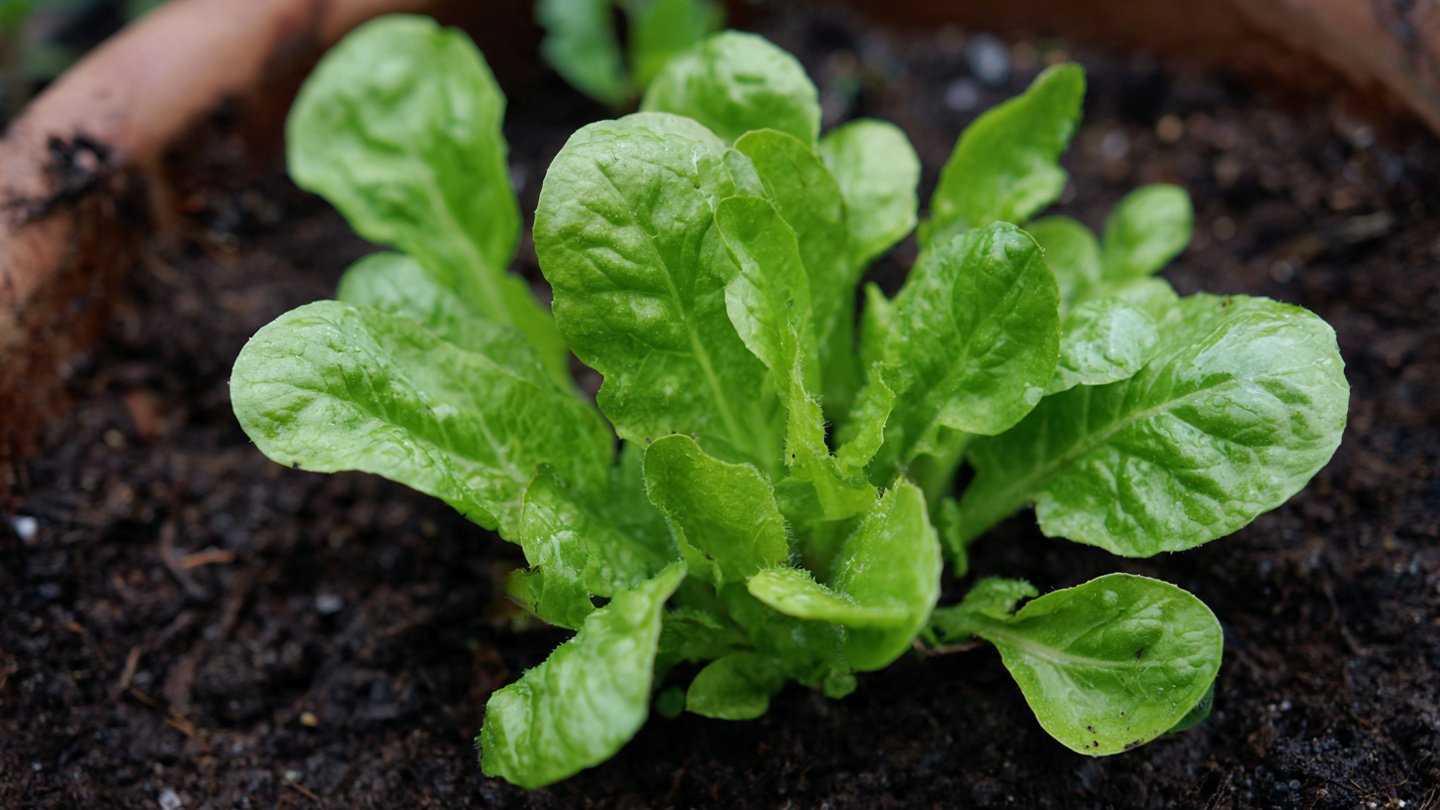
Growing rocket salad, also known as arugula, is an excellent way to introduce fresh, peppery greens into your diet. This leafy green is not only nutritious but also easy to grow indoors or outdoors, making it a favorable choice for both novice and experienced gardeners. In this guide, we will delve into various techniques and tips for cultivating rocket salad quickly at home.
What is Rocket Salad?
Rocket salad (Eruca sativa) is a leafy green vegetable that belongs to the mustard family. It has a distinct peppery flavor, making it a fantastic addition to salads, sandwiches, and pizza. Rich in vitamins A, C, and K, rocket salad also provides substantial amounts of calcium, magnesium, and iron, making it a healthy addition to your meals.
Why Grow Rocket Salad?
- Quick Growth: Rocket salad is known for its rapid growth, often maturing in as little as three weeks.
- Low Maintenance: This hardy plant requires minimal care and can thrive in various soil types.
- Harvest Continuously: You can harvest the outer leaves while allowing the inner leaves to continue growing, ensuring a steady supply of fresh greens.
Choosing the Right Location
Indoor vs. Outdoor
Indoor Growing: If you live in an area with harsh weather conditions, growing indoors may be your best option. Place pots near a sunny window with at least six hours of direct sunlight.
Outdoor Growing: In suitable climates, you can grow rocket directly in your garden. Choose a location that receives partial sunlight, especially during the warmer months.
Soil Requirements
Rocket salad thrives in well-draining, nutrient-rich soil. Consider using potting mix or garden soil that has been amended with compost or organic matter. The ideal pH level for rocket salad is between 6.0 and 7.0.
Growing Techniques
1. Sowing Seeds
Seed Selection: Choose high-quality rocket seeds from a reputable supplier. Consider options such as ‘Wild Arugula’ or ‘Rocket Salad’ varieties for diverse flavors.
Sowing Method:
- Indoor: Fill seed trays or pots with moist potting soil. Sow seeds about ½ inch deep and 1 inch apart.
- Outdoor: Prepare the soil by loosening it and raking it smooth. Sow seeds at a depth of ½ inch, spacing them 1 inch apart in rows, with each row 12 inches apart.
2. Watering
Watering is crucial for rocket salad’s quick growth. Ensure the soil stays consistently moist but not waterlogged. Consider using a spray bottle or gentle watering can to avoid displacing the seeds.
3. Fertilizing
A light application of organic fertilizer can boost growth. Apply a balanced, slow-release fertilizer during the initial stages and to enhance leaf development.
4. Lighting
- Indoors: Ensure your pots receive ample sunlight; consider using grow lights if necessary.
- Outdoors: Rocket prefers cooler weather. If the temperature exceeds 75°F (24°C), be prepared to provide some shade during the hottest hours of the day.
5. Thinning Seedlings
Once your seedlings have grown to about 2–3 inches tall, thin them out to promote better airflow and reduce competition. Keep the healthiest seedlings and remove the rest.
Pest and Disease Management
1. Common Pests
- Aphids: Small insects that can be found on young leaves. Use insecticidal soap or neem oil to control infestations.
- Fleahoppers: These small, jumping pests can damage foliage. Introduce beneficial insects like ladybugs to help control their population.
2. Diseases
Rocket salad is susceptible to fungal diseases like downy mildew. Ensure good air circulation by spacing plants adequately and avoid overhead watering.
Harvesting Rocket Salad
Rocket salad can be harvested as soon as the leaves mature enough for use. Usually, this is around three weeks after sowing. Follow these steps for optimal harvesting:
-
Cutting Method: Use clean scissors or garden shears to snip off outer leaves, leaving the inner leaves intact to continue growing.
-
Timing: The best time to harvest is in the morning when the leaves are crisp and tender.
-
Storage: Store freshly harvested rocket salad in a sealed plastic bag in the refrigerator. It can typically last for about a week.
Conclusion
Growing rocket salad at home is an exciting and rewarding experience. With its quick growth cycle, simple care requirements, and the ability to grow in various conditions, anyone can enjoy flavorful and nutritious greens right from their home garden. With the tips provided in this guide, you can create your rocket salad haven in no time.
FAQs
Q1: How long does it take for rocket salad to grow?
A1: Rocket salad typically grows in about 3 to 4 weeks from seed to harvest, depending on the growing conditions.
Q2: Can I grow rocket salad indoors?
A2: Yes, rocket salad can be successfully grown indoors as long as it receives adequate sunlight or grow lights.
Q3: What is the best time of year to plant rocket salad?
A3: Rocket salad is best planted in cooler seasons—spring and fall—when temperatures are mild.
Q4: How often should I water rocket salad?
A4: Water rocket salad regularly to keep the soil consistently moist but not waterlogged. Check the soil surface; if it’s dry, it’s time to water.
Q5: Can I eat rocket salad raw?
A5: Absolutely! Rocket salad can be enjoyed raw in salads, sandwiches, or as a garnish. Its peppery taste adds a unique flavor to dishes.
Q6: Is rocket salad a perennial plant?
A6: Rocket salad is usually grown as an annual crop, but it can self-seed and may come back in subsequent years depending on the climate.
Q7: How do I prevent pests from damaging my rocket salad?
A7: Regularly check your plants for pests, maintain good air circulation, and consider using natural pest control methods such as introducing beneficial insects or using insecticidal soap.
Q8: Can I grow rocket salad in containers?
A8: Yes, rocket salad grows well in containers. Ensure that the containers have drainage holes and are filled with nutrient-rich soil.
Q9: What are the best companion plants for rocket salad?
A9: Good companion plants include carrots, radishes, and lettuce. Avoid planting rocket near members of the brassica family, as they may compete for nutrients.
Q10: How can I extend the growing season for rocket salad?
A10: You can extend the growing season by using row covers to protect plants from frost, or by starting seeds indoors and transplanting them outside when conditions improve.
By following the guidelines in this easy guide, you can quickly grow your very own rocket salad and enjoy the freshness of homegrown greens. Happy gardening!