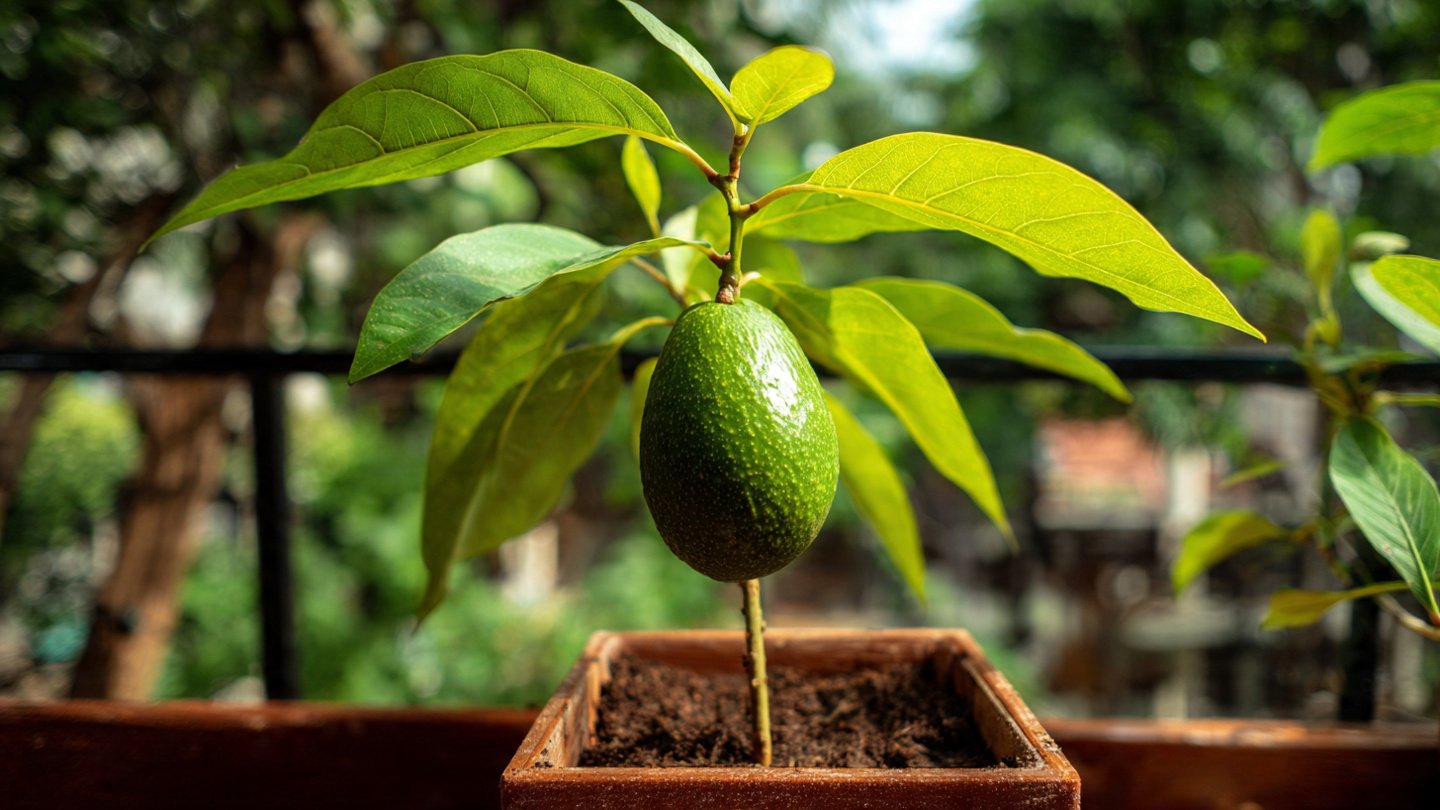
Growing avocados at home can be a rewarding endeavor. Not only do they produce delicious fruit, but the experience of nurturing a plant from seedling to maturity can be incredibly fulfilling. However, patience is paramount; avocados can take years to bear fruit if not grown under the right conditions. Fortunately, there are effective techniques you can employ to accelerate their growth. This guide will explore simple hacks to help your avocado tree flourish faster, along with some frequently asked questions to address common concerns.
Understanding Avocado Trees
Before diving into growth hacks, it’s crucial to understand the basics of avocado trees. They are native to Central America and thrive in tropical or subtropical climates. The scientific name, Persea americana, is aptly chosen due to its origin. Avocado trees can be grown in various ways, including directly from seed or through grafting. Seed-grown avocados might take anywhere from five to thirteen years to bear fruit, while grafted trees can start producing in as little as three years. However, with the right techniques, you can encourage faster growth regardless of the method chosen.
Starting from Seed
Choosing the Right Seed
1. Selecting a Healthy Avocado:
Choose a ripe, flawless avocado. The seed should be plump and undamaged. Wait until the fruit is fully ripe, as this maximizes seed viability.
2. Preparing the Seed:
Gently wash the seed to remove any remaining fruit residue, which can promote mold growth. Once clean, allow it to dry for a day.
3. Know Your Seed Types:
Make sure you are aware of the different avocado varieties. Hass avocados are popular and often a preferred choice for home cultivation due to their optimal taste and texture.
Germination Techniques
1. Water Method:
This technique uses water to encourage germination. Insert three to four toothpicks into the seed, about halfway up. Place the seed, broad end down, in a glass of water, ensuring the bottom is submerged. Change the water regularly to prevent stagnation. It usually takes two to six weeks for roots to begin developing.
2. Soil Method:
Instead of water, you can grow the seed directly in soil. Plant it with the broad end down in a pot filled with well-draining soil, leaving the top half exposed. Water it thoroughly but avoid over-saturation.
Transplanting to Pot
Once roots are about 2-3 inches long, it’s time to transplant your avocado seedling into a larger pot. Choose a container that’s at least 10-12 inches in diameter.
Potting Soil
Opt for a mix designed for cacti or succulent plants, as this ensures excellent drainage. Avocado trees dislike soggy roots.
Watering
Water the plant thoroughly after transplanting. It’s crucial to maintain a balance—neither too dry nor too wet. Allow the topsoil to dry for a couple of inches before watering again.
Providing Optimal Sunlight
Avocado trees thrive on sunlight. Position your plant in a location that receives at least six hours of indirect sunlight daily. If natural lighting is inadequate, consider investing in grow lights. This not only helps in faster growth but also sustains the health of the plant.
Fertilization
Choosing the Right Fertilizer
Avocado trees benefit from a balanced fertilizer. Look for a fertilizer high in nitrogen, as this promotes leaf and root growth. Generally, a 10-10-10 NPK ratio (Nitrogen-Phosphorus-Potassium) is recommended.
Frequency of Application
Fertilize your young tree every four to six weeks during the growing season (spring and summer). As the tree matures, reduce the frequency to every two to three months.
Ensuring Proper Watering Techniques
Watering your avocado tree adequately is crucial for rapid growth.
Signs of Underwatering and Overwatering
- Underwatering: Leaves will become crispy and may turn brown.
- Overwatering: Yellowing leaves and root rot can occur if the soil remains constantly soggy.
Best Practices
- Water deeply and less frequently.
- Use mulch around the base of the tree to retain moisture but avoid it touching the stem to prevent rot.
Temperature and Humidity
Optimal Temperature Ranges
Avocado trees prefer temperatures between 60-85°F (15-29°C). Protect young trees from frost, and consider bringing them indoors during cold snaps.
Humidity Levels
Avocados thrive in humid environments. If you live in a dry climate, consider misting your plant or placing a humidifier nearby.
Pruning for Better Growth
When to Prune
Once your avocado tree reaches about 12-18 inches tall, start considering light pruning. This encourages bushier growth and helps maintain its shape.
How to Prune
Remove any dead or brown leaves. Pinch off the tips of the new growth to encourage lateral branches to develop.
Pest Management
Keeping your avocado tree healthy requires vigilance against pests. Common pests, such as spider mites and aphids, can hinder growth.
Natural Remedies
- Neem Oil: This natural pesticide can effectively control infestations.
- Insecticidal Soap: Safe for indoor plants, this can help wash away pests without harming the plant.
Inspect Regularly
Regularly inspect the leaves and stems for any signs of infestation. Early detection can save you a lot of trouble.
Patience and Observation
Despite all these techniques, patience is still essential. Monitor your plant’s progress and make adjustments as necessary. The growth rate can vary based on environmental conditions, so evaluate factors like light, temperature, and humidity regularly.
FAQs
1. How long does it take for an avocado tree from seed to bear fruit?
Typically, a seed-grown avocado tree can take anywhere from five to thirteen years to produce fruit, while grafted varieties often bear fruit in about three years. Proper care can help accelerate this timeline.
2. Can I grow an avocado tree indoors?
Yes, avocados can be grown indoors as long as they receive adequate sunlight—preferably around 6-8 hours a day—and are kept in a warm environment.
3. What should I do if my avocado tree is not growing?
If your avocado tree is stagnant, check its watering routine, light exposure, and nutrient levels. Adjust these factors as needed.
4. Is it necessary to prune my avocado tree?
While you don’t have to prune an avocado tree, doing so helps it achieve a bushier growth and can promote better air circulation.
5. How can I tell if my avocado tree is overwatered?
Signs of overwatering include yellowing leaves, wilting, and browning of the leaf edges. If you suspect overwatering, let the soil dry out before watering again.
6. Can I grow multiple avocado trees in one pot?
While it is possible, it’s best to plant each tree in its own pot to allow for optimal root growth and minimize competition for nutrients.
7. What is the best time of year to plant avocado seeds?
Spring is the ideal time to start planting avocado seeds, as the warmer temperatures help promote faster growth.
Conclusion
With the right techniques, patience, and care, growing avocado trees at home can be a fruitful endeavor. Follow the tips outlined above, and you’ll be well on your way to cultivating a thriving avocado plant. Whether you are a seasoned gardener or just starting, these simple hacks will not only speed up the growth process—but also make it an enjoyable journey! Happy planting!