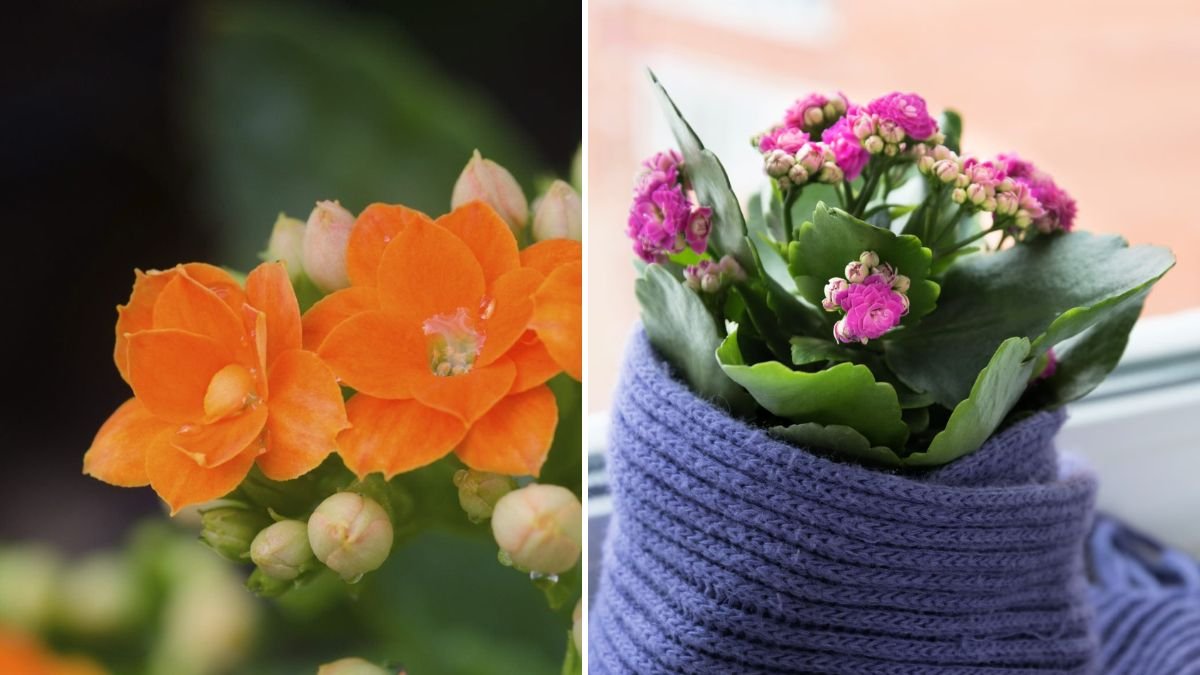
The Kalanchoe, a popular succulent originating from Madagascar, is cherished for its vibrant blooms and ease of care. Known for its bright, long-lasting flowers, the Kalanchoe is an ideal choice for indoor gardening enthusiasts. This hardy plant can thrive all year round, but with the right care and techniques, you can maximize its blooming potential for stunning displays. In this comprehensive guide, we will explore how to grow Kalanchoe indoors, ensuring vibrant blooms year-round, along with some frequently asked questions.
Understanding Kalanchoe
Varieties of Kalanchoe
Kalanchoe belongs to the Crassulaceae family, with over 200 species. The most common variety for indoor cultivation is Kalanchoe blossfeldiana, known for its clusters of small, colorful flowers. Other popular variants include Kalanchoe tomentosa (Panda Plant) and Kalanchoe luciae (Flapjack). While all varieties share similar care requirements, each brings unique aesthetics to your indoor garden.
Characteristics
Kalanchoes are succulent plants, characterized by their thick, fleshy leaves that store water. This adaptation makes them drought-resistant and low-maintenance, making them ideal for indoor gardeners.
Growing Conditions
Light Requirements
Kalanchoe thrives in bright, indirect sunlight. Ideally, place your Kalanchoe near a south-facing window to receive at least six hours of sunlight daily. During the winter months, when sunlight is limited, consider using a grow light to enhance blooming.
Soil Choice
Using well-draining soil is crucial in preventing root rot. A cactus or succulent potting mix works well, or you can create your own by blending regular potting soil with perlite or sand to improve drainage.
Temperature and Humidity
Kalanchoe prefers temperatures between 60°F and 75°F (15°C to 24°C). Avoid exposing the plant to cold drafts or extreme heat. Indoor humidity levels of around 40%-50% are suitable; low humidity can be tolerated, but avoid excessive moisture.
Watering
Overwatering is one of the most common mistakes made while caring for Kalanchoe. Allow the top inch of the soil to dry out before watering again. During the growing season (spring and summer), water your Kalanchoe every 2-3 weeks, and reduce this frequency in the dormant months (fall and winter).
Fertilizing
To encourage vibrant blooms, fertilize your Kalanchoe during the growing season. A balanced, water-soluble fertilizer applied every 4-6 weeks will provide the necessary nutrients. Do not fertilize in the winter months, as the plant is resting.
Pruning
Pruning is essential for promoting a bushier growth and enhancing blooming. Remove spent flowers and any dead or yellowing leaves to redirect energy to new growth. This process not only improves the plant’s appearance but also encourages new blooms.
The Easy Hack: Light Manipulation for Year-Round Blooms
One of the easiest ways to ensure continuous blooms from your Kalanchoe is through light manipulation. This technique involves regulating the light the plant receives, which can trigger blooming cycles.
Step-by-Step Guide
-
Establish a Light Schedule: To encourage blooming, Kalanchoe requires approximately 14 hours of light followed by 10 hours of complete darkness. During the winter months when days are shorter, provide additional light using grow lights.
-
Force Blooming: To force your Kalanchoe to bloom, follow these steps:
- In late winter or early spring, reduce the light exposure to 12-14 hours a day for about six weeks.
- After this period, return the plant to the bright light conditions. This “rest” period signals the plant to prepare for blooming.
-
Monitor Temperature: During this initiation period, keep the plant in a slightly cooler environment (around 60°F or 15°C) to stimulate blooming.
-
Water Sparingly: During the light manipulation process, reduce watering to allow the soil to dry out between waterings, as moist soil can inhibit blooming.
Additional Bloom-Inducing Tips
-
Use a Blackout Technique: If natural light is not adequate, cover your Kalanchoe with a box or cloth for the dark period to ensure it is not exposed to any artificial light.
-
Pinch Back: Pinching back the tips of the stems can encourage bushier growth and more blooming sites.
-
Choose the Right Pot: Select a pot that provides adequate drainage to prevent root rot, which can impede blooming.
Common Issues and Troubleshooting
Pest Problems
Kalanchoe is relatively pest-resistant but can sometimes attract mealybugs, aphids, or spider mites. If you notice any pests:
- Use insecticidal soap or a neem oil solution to treat infestations.
- Regularly check the undersides of leaves, as pests often hide there.
Disease Concerns
Overwatering can lead to root rot or fungal diseases. Ensure you use well-draining soil and allow the plant to dry out between waterings. If root rot occurs, remove the affected roots and repot the plant in fresh soil.
Lack of Blooms
If your Kalanchoe is not blooming:
- Reassess its light conditions and ensure it has enough exposure.
- Check your watering routine to avoid overwatering.
- Consider fertilizing or implementing the light manipulation hack discussed earlier.
FAQs
Q1: How often should I water my Kalanchoe?
A1: Water your Kalanchoe every 2-3 weeks during the growing season (spring and summer), allowing the top inch of soil to dry out between waterings. Reduce watering in the winter.
Q2: Why are my Kalanchoe leaves turning yellow?
A2: Yellowing leaves can indicate overwatering or poor drainage. Ensure your pot has drainage holes and check the soil moisture before watering.
Q3: How can I encourage more blooms from my Kalanchoe?
A3: Implement light manipulation by providing 12-14 hours of light followed by complete darkness for 6 weeks. Pruning spent flowers and providing appropriate care also encourages flowering.
Q4: Is Kalanchoe safe for pets?
A4: Kalanchoe is mildly toxic to pets, particularly cats and dogs. Keep it out of reach of pets to avoid any potential health issues.
Q5: How can I propagate Kalanchoe?
A5: Kalanchoe can be easily propagated through leaf or stem cuttings. Allow the cut end to dry for a few days, then plant it in well-draining soil. Water sparingly until roots develop.
Q6: Can I grow Kalanchoe outdoors?
A6: Kalanchoe can be grown outdoors in warmer climates (USDA Zones 10-11) but should be brought indoors or protected during cold weather.
Q7: When will my Kalanchoe bloom?
A7: Depending on the care and conditions, Kalanchoe typically blooms in winter or early spring. With the right light manipulation, you can trigger blooming when desired.
Conclusion
With its vibrant blooms and low maintenance needs, Kalanchoe is an excellent choice for indoor gardening enthusiasts. By following this comprehensive guide, utilizing the easy light manipulation hack, and implementing proper care techniques, you can enjoy a year-round display of stunning flowers. Whether you’re a novice or an experienced gardener, Kalanchoe is sure to brighten your indoor space with its colorful presence. Happy gardening!