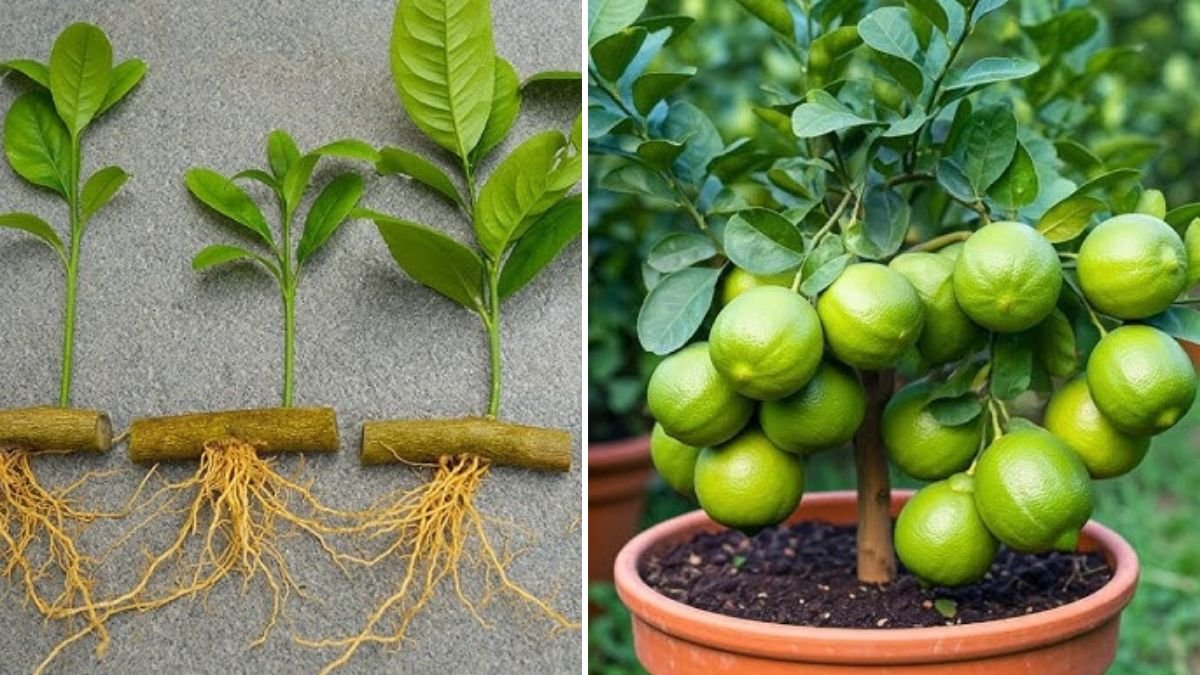
Lemon trees, with their vibrant yellow fruits and fragrant blossoms, are a delightful addition to any garden. Whether you’re aiming for fresh lemons for your culinary adventures or just want to enjoy their beauty, knowing how to care for and accelerate the growth of lemon trees is essential. This article outlines various hacks and techniques to help you grow lemon trees faster while ensuring they thrive in your garden.
1. Choosing the Right Variety
When starting your lemon garden, selecting the proper variety can significantly influence growth rates and fruit production. Here are some popular varieties:
- Eureka: This is a common choice, known for its abundance of fruit and relatively quick growth.
- Lisbon: Similar to Eureka, but with slightly different taste profiles and resilience to various climates.
- Meyer: A hybrid between a lemon and a mandarin, the Meyer lemon is sweeter and grows well in containers.
When selecting your tree, consider your local climate, soil conditions, and available space, as these factors greatly affect growth.
2. Optimal Planting Time
Planting your lemon tree at the right time can directly correlate to its growth rate. The best time to plant lemon trees is during early spring or late summer. This timing allows the tree to establish roots before the harsher conditions of winter or summer.
Key Tips for Planting:
- Choose a sunny location with at least 8 hours of direct sunlight daily.
- Ensure good drainage in the soil to prevent waterlogging, which can lead to root rot.
- Space your trees properly to allow for air circulation and growth.
3. Soil Preparation
Lemon trees thrive in well-draining, loamy soil with a slightly acidic pH between 5.5 and 6.5. Here’s how to prepare your soil:
-
Testing Soil: Before planting, test your soil using a kit from a local garden center. This will help you understand its pH and nutrient requirements.
-
Amending Soil: If your soil is too alkaline, add organic materials like peat moss or sulfur. For nutrient-rich soil, compost or well-rotted manure can be mixed in.
4. Watering Techniques
Lemon trees require regular watering, especially during their early stages. However, overwatering can lead to diseases, so balance is key.
Effective Watering Hacks:
-
Drip Irrigation: This method is efficient, delivering water directly to the plant roots while minimizing evaporation.
-
Mulching: Applying a layer of organic mulch around the base helps retain moisture and regulate soil temperature.
-
Time of Day: Water early in the morning or late in the afternoon to reduce evaporation and allow time for the tree to absorb moisture.
5. Fertilization Strategies
To stimulate faster growth, lemon trees require nutrients. Here’s how to effectively fertilize:
Types of Fertilizers:
-
Citrus-Specific Fertilizers: Opt for fertilizers high in nitrogen, potassium, and magnesium.
-
Organic Options: Bone meal, fish emulsion, or blood meal can feed your tree naturally and sustainably.
Application Tips:
-
Fertilization Schedule: Feed your tree every six to eight weeks during the growing season (spring to fall).
-
Avoid Over-Fertilizing: Follow the instructions on your fertilizer product to ensure you don’t harm the plant.
6. Pruning for Growth
Pruning is a vital part of maintaining healthy lemon trees and promoting faster growth. Proper pruning techniques can enhance air circulation, light penetration, and fruit production.
Pruning Techniques:
-
Remove Dead Wood: Trim any dead or diseased branches to encourage new growth.
-
Shape the Tree: Aim for an open center shape to help sunlight reach all parts of the tree.
-
Timing: Prune after the last frost but before new growth in spring for optimal results.
7. Pest and Disease Management
Healthy trees grow faster, so managing pests and diseases effectively is crucial. Here are some common issues and their solutions:
Common Pests:
-
Aphids: Spray with a mixture of water and a few drops of dish soap or introduce ladybugs to control their population.
-
Spider Mites: Regularly mist your tree to increase humidity, which can deter these pests.
Common Diseases:
-
Root Rot: Ensure proper soil drainage and avoid overwatering.
-
Leaf Spot: Remove affected leaves and avoid overhead watering, which can promote fungal growth.
8. Providing Adequate Sunlight
Lemon trees thrive in bright sunlight, making it crucial to ensure they receive enough light.
Sunlight Hacks:
-
Positioning: Plant your lemon tree in a south-facing spot and consider shade protection during the hottest part of summer.
-
Container Growth: If growing in containers, moving them around to find the best sun exposure can drastically enhance their growth rates.
9. Supporting Growth with Companion Planting
Companion planting can naturally enhance the growth of lemon trees. Consider these companions:
-
Basil: This herb deters pests and enhances the flavor of nearby plants.
-
Marigold: These flowers repel harmful insects and attract beneficial ones.
10. Use of Growth Hormones
Some gardeners have success using natural growth hormones to speed up growth.
Natural Options:
-
Willow Water: Made by soaking willow tree branches in water for a few days. Its natural auxins can help root development and promote faster growth.
-
Aloe Vera Gel: Applying diluted aloe vera around the roots can stimulate growth thanks to its growth-promoting properties.
FAQs
1. How long does it take for a lemon tree to bear fruit?
Typically, lemon trees will begin producing fruit around 3 to 5 years after planting. However, this can vary based on care, variety, and growing conditions.
2. Can lemon trees be grown indoors?
Yes! Meyer lemons are particularly suited for indoor growth. Ensure they receive plenty of sunlight and maintain a warm temperature.
3. What is the best way to harvest lemons?
Harvest lemons when they are fully colored and slightly firm to the touch. Use pruning shears to avoid damaging the tree.
4. How often should I water my lemon tree?
Water your lemon tree regularly, allowing the top inch of soil to dry out between waterings. Deep watering once a week during dry periods is usually sufficient.
5. Can I grow a lemon tree in a pot?
Absolutely! Growing lemon trees in pots is a great option, especially if you have limited space. Ensure the pot is large enough to accommodate the roots and has drainage holes.
Conclusion
Growing lemon trees can be a rewarding experience when you apply the right techniques and care. By following these simple hacks—from planting the right variety in correct soil conditions to using proper watering, pruning, and pest management practices—you can substantially speed up their growth and ensure a bountiful harvest for years to come. With patience and dedication, your garden can flourish with vibrant lemon trees contributing both beauty and fresh fruit to your home.