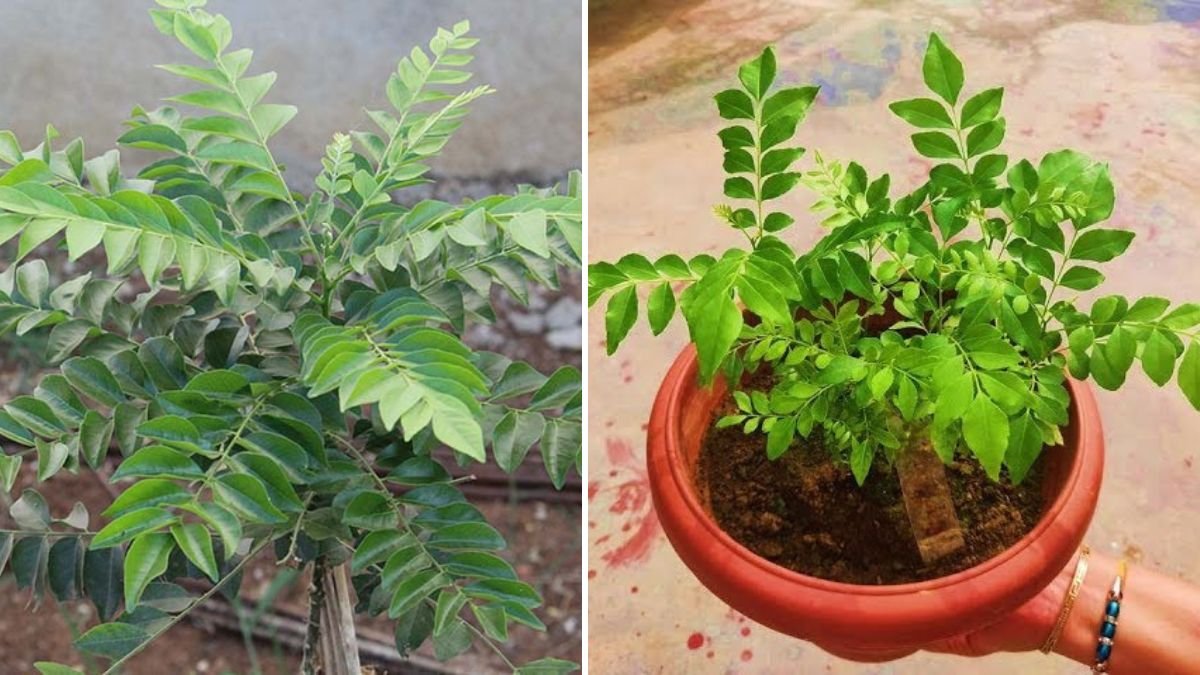
Curry leaves, known scientifically as Murraya koenigii, are a vibrant addition to any culinary herb garden. With a unique flavor profile, they are an essential ingredient in many Indian dishes, enhancing their taste while providing a multitude of health benefits. If you’re looking to cultivate a curry leaf plant in a pot, this guide will streamline the process for beginners and gardening enthusiasts alike.
Understanding the Curry Leaf Plant
Description
The curry leaf plant is a tropical deciduous tree that can be grown in various climates. Its fragrant, dark green leaves are the primary attraction, used fresh or dried to add flavor to dishes. The plant can grow up to 10 to 20 feet tall in its natural habitat, but when grown in pots, it typically remains smaller, making it an ideal choice for home gardens.
Benefits
- Culinary Use: Fresh curry leaves impart a rich flavor to dishes like dal, sambar, and various curries.
- Health Benefits: Rich in antioxidants, curry leaves may help in digestion and blood sugar regulation, among other health advantages.
- Aromatic Qualities: The leaves emit a pleasant aroma that enhances garden aesthetics and offers a natural fragrance.
Choosing the Right Pot
When starting your curry leaf plant, the pot you choose is crucial for its growth. Here are some factors to consider:
- Size: Select a pot that is at least 12 inches in diameter. This allows enough space for root growth.
- Material: Clay pots are excellent for plants that require good drainage, while plastic pots can retain moisture better.
- Drainage Holes: Ensure your pot has adequate drainage holes to prevent root rot.
Soil Requirements
Curry leaf plants thrive in well-draining soil rich in organic matter. The following soil mix is recommended:
- 2 parts potting soil: For its nutrient content.
- 1 part perlite: To improve drainage.
- 1 part compost: For added nutrients and soil aeration.
You can also add a slow-release fertilizer during potting to provide essential nutrients as the plant grows.
Propagation Methods
1. From Seeds
Using seeds is a straightforward way to grow curry leaves. Here’s how:
- Soak Seeds: Soak your seeds in water for 24 hours to soften the hard seed coat.
- Plant: Fill your pot with the soil mix and plant the seeds about 1 inch deep.
- Water: Keep the soil moist but not soggy.
- Germination: Seeds typically germinate within a few weeks under ideal conditions.
2. From Cuttings
Alternatively, you can propagate a curry leaf plant using cuttings:
- Choose a Healthy Stem: Take a 6-inch cutting from a healthy curry leaf plant.
- Remove Leaves: Strip the lower leaves, leaving a few at the top.
- Plant: Dip the end of the cutting in rooting hormone, then place it in the soil mix.
- Water: Keep the soil moist and place the pot in indirect sunlight.
Rooting typically takes 4–6 weeks.
Placement and Sunlight Requirements
Curry leaf plants love warmth and sunlight. Here are some placement tips:
- Sunlight: Place your pot in a location that receives at least 6 hours of direct sunlight each day.
- Indoor vs. Outdoor: If you’re in a cooler climate, you can grow your curry leaf plant indoors near a sunny window during winter.
- Temperature: Ideal temperatures range between 70°F to 90°F. Protect the plant from frost.
Watering Your Curry Leaf Plant
Proper watering is vital for the growth of the curry leaf plant:
- Frequency: Water your plant when the top inch of the soil feels dry. In hot weather, this could mean watering every 2–3 days, while in cooler months, it may be once a week.
- Method: Water the base of the plant to avoid wetting the leaves, which can lead to fungal diseases.
Fertilization
Fertilizing your curry leaf plant contributes significantly to its health and yield:
- Frequency: Fertilize every 4–6 weeks during the growing season (spring and summer).
- Type: Use a balanced fertilizer or one high in potassium and phosphorus to promote flowering and leaf production.
Pruning and Maintenance
Pruning is essential for bushy growth and maximizing leaf yield:
- When to Prune: Trim the plant during the growing season or after harvest.
- Technique: Use clean and sharp scissors to remove dead or yellowing leaves, as well as to shape the plant.
Regular maintenance will help keep your curry leaf plant healthy and productive.
Pest and Disease Control
Curry leaf plants can face various pests, including aphids and spider mites. Here’s how to manage them:
- Monitoring: Regularly check for signs of infestations.
- Natural Solutions: Use neem oil or insecticidal soap as a natural pesticide to eliminate soft-bodied insects like aphids.
- Disease Management: Ensure good airflow around your plant and avoid overwatering to minimize fungal diseases.
Harvesting Curry Leaves
The time to harvest your curry leaves will depend on the growth of your plant. Generally, you can begin to harvest leaves 3–4 months after planting. Here are some tips:
- How to Harvest: Pinch or cut the leaves from the stem with clean scissors. Always leave some leaves on the plant for continued growth.
- Best Time to Harvest: Early morning is ideal, as the flavor is strongest at this time.
Conclusion
Growing a curry leaf plant in a pot is an enjoyable and rewarding experience. With the right care, attention, and conditions, you can cultivate a beautiful and productive plant that will enhance your culinary adventures and bring a touch of greenery to your home.
FAQs
1. Can I grow curry leaf plants indoors?
Yes, curry leaf plants can be grown indoors if they receive sufficient sunlight (at least 6 hours a day) and are kept in a warm environment.
2. How long does it take for curry leaf seeds to germinate?
Typically, curry leaf seeds take about 2 to 3 weeks to germinate, depending on the conditions.
3. How often should I water my curry leaf plant?
Water your curry leaf plant when the top inch of soil feels dry, usually every 2–3 days in warm weather and once a week in cooler conditions.
4. What pests are common with curry leaf plants?
Common pests include aphids, spider mites, and occasionally mealybugs. Regular inspection and treatment with neem oil can help manage infestations.
5. How can I encourage my curry leaf plant to grow bushier?
Regular pruning and pinching back the tips of the plant can encourage bushier growth by stimulating the development of side shoots.
6. Can curry leaves help with health issues?
Yes, curry leaves are rich in antioxidants and may aid in digestion and blood sugar regulation, making them a great addition to a healthy diet.
7. How can I store curry leaves?
Curry leaves can be stored in an airtight container in the refrigerator for up to two weeks, or they can be dried for longer-term storage.
With this comprehensive guide, you are well-equipped to start your journey in growing a healthy curry leaf plant at home. Happy gardening!