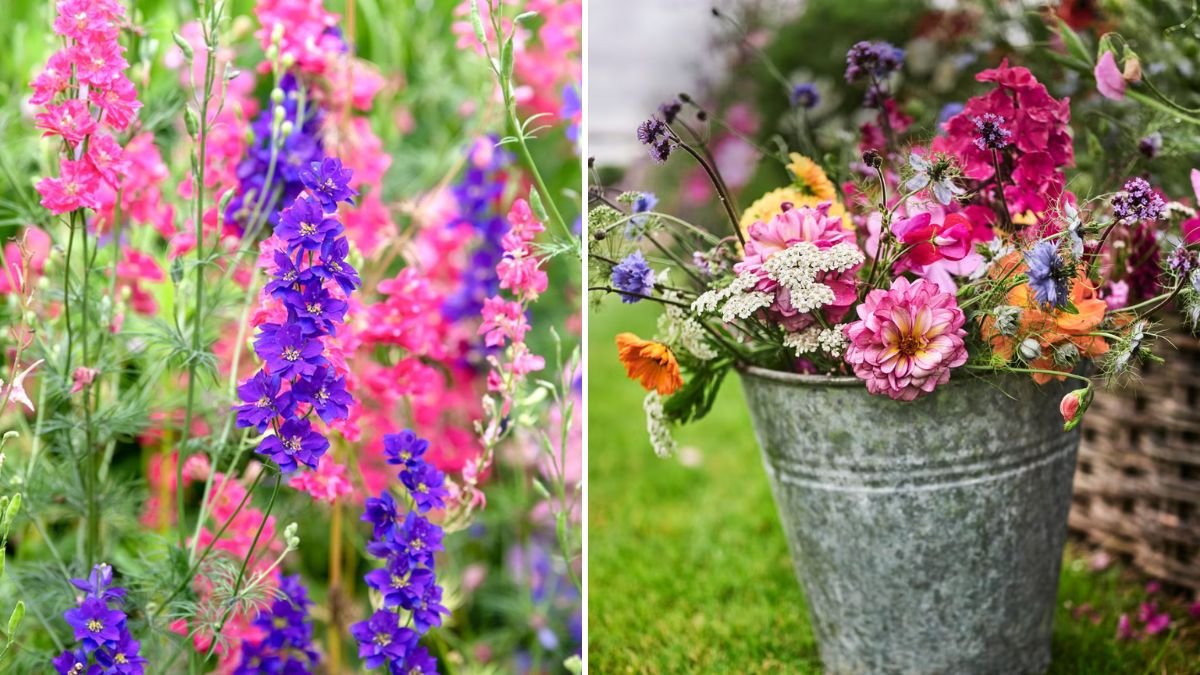
Larkspur (Delphinium spp.) is a stunning flower that adds elegance and charm to any garden. It’s known for its tall spikes of colorful blooms, which make it a popular choice for cut flower arrangements. Whether you’re a seasoned gardener or just starting out, growing larkspur can be a rewarding experience. This article will guide you through the easy methods to grow larkspur cut flowers in your garden, ensuring that you can create beautiful bouquets throughout the growing season.
What is Larkspur?
Larkspur is a member of the Ranunculaceae family, closely related to buttercups and peonies. These annual or biennial plants are celebrated for their tall, impressive flower spikes that can reach heights of 3 to 6 feet. The flowers bloom in various vibrant colors, including blue, pink, purple, and white. Their unique shape and structure make larkspur a favorite among florists and gardeners alike.
Choosing the Right Variety
Before you start growing larkspur, it’s essential to choose the right variety. There are a few distinct types of larkspur:
-
Annual Larkspur (Delphinium ajacis): This variety is fast-growing and blooms in the first year after sowing. They are often easier to cultivate and have a broad range of colors.
-
Perennial Larkspur (Delphinium elatum): These larkspurs may take two years to flower but tend to be hardier and can last for several years in your garden.
-
Pacific Giant Hybrid: A popular choice among gardeners, this hybrid is known for its towering flower spikes and vibrant colors.
When selecting a variety, consider your climate, the expected height of the plants, and your desired color palette.
Site Selection
Selecting the right location in your garden is crucial for larkspur’s success. Here are some factors to keep in mind:
-
Sunlight: Larkspur thrives in full sun, requiring at least 6 hours of direct sunlight per day. Choose a spot that gets ample sunlight throughout the day.
-
Soil: Larkspur prefers well-draining soil rich in organic matter. A slightly alkaline pH (around 6.5 to 7.5) is ideal for healthy growth. You can amend your soil with compost to ensure it is nutrient-rich.
-
Space: Larkspur can grow quite tall and spreads out as it matures. Make sure to give each plant adequate space, around 12 to 18 inches apart.
Sowing Seeds
Growing larkspur from seeds is an effective and easy method. Here’s a step-by-step guide to help you get started:
-
Timing: Depending on your zone, sow larkspur seeds between spring and fall. In colder regions, you can start seeds indoors 6 to 8 weeks before the last frost date.
-
Seed Preparation: Some larkspur seeds benefit from cold stratification. Place them in a moist paper towel, seal in a plastic bag, and put them in the refrigerator for 1 to 2 weeks before planting.
-
Direct Sowing: If you choose to sow directly in the garden, prepare the soil by loosening it with a rake. Scatter the seeds evenly over the soil surface and lightly cover them with a thin layer of soil.
-
Watering: Use a gentle spray to moisten the soil without washing away seeds. Ensure the soil remains consistently moist until the seeds germinate, typically within 10 to 14 days.
-
Thin Seedlings: Once seedlings have developed true leaves, thin them out to prevent overcrowding, leaving the strongest plants to grow.
Care and Maintenance
After your larkspur seedlings are established, proper care and maintenance will ensure they thrive:
-
Watering: Larkspur prefers evenly moist soil. Water deeply but infrequently to encourage deep root growth. Avoid overwatering, as this can lead to root rot.
-
Fertilization: A balanced fertilizer can promote healthy growth. Apply a slow-release fertilizer in early spring and again in mid-summer for best results.
-
Staking: As larkspur grows, particularly the taller varieties, you may need to stake them to prevent breakage from wind or rain. Use bamboo stakes or garden supports to keep the plants upright.
-
Pest and Disease Management: Keep an eye out for common pests like aphids and slugs. Use insecticidal soap or follow organic pest control methods if necessary. Proper air circulation and watering practices can help prevent fungal diseases.
Harvesting Larkspur
Larkspur flowers are typically ready for cutting when the bottom blooms of the spike open up. Here’s how to harvest them properly:
-
Use sharp, clean garden shears to make a diagonal cut, which helps the stem absorb more water.
-
Cut in the early morning or late afternoon when temperatures are cooler, which helps preserve the flowers’ freshness.
-
Place cut stems directly in water to minimize wilting.
Creating Beautiful Bouquets
Once you’ve harvested your larkspur, it’s time to create stunning bouquets. Here are a few tips:
-
Combine with Other Flowers: Larkspur pairs beautifully with other garden favorites like roses, peonies, and daisies. Experiment with different combinations for unique arrangements.
-
Add Foliage: Incorporate greenery like eucalyptus, ferns, or grasses to add depth and texture to your bouquets.
-
Vibrant Color Palettes: Use complementary colors for a visually striking bouquet. For example, blue larkspur looks stunning alongside yellow daisies.
-
Preservation Techniques: If you want to dry larkspur for long-lasting arrangements, hang the stems upside down in a dark, dry place until fully dried.
FAQs
1. Is larkspur toxic to pets?
Yes, larkspur is toxic to both cats and dogs. Keep them away from these plants to avoid potential poisoning.
2. How long do larkspur blooms last?
Cut larkspur can last up to a week in a vase with water, depending on conditions and care.
3. Can I grow larkspur in containers?
Yes, larkspur can be grown in large containers, as long as they provide enough space for root development and are placed in a sunny spot.
4. Can larkspur reseed itself?
Yes, larkspur can self-seed, which means it may return in your garden the following season without needing replanting.
5. What should I do if my larkspur doesn’t bloom?
Ensure your plants are receiving enough sunlight, water, and nutrients. Additionally, check for pests or diseases that may hinder growth.
6. What’s the best way to prevent pests?
Regularly inspect your plants and encourage beneficial insects like ladybugs. You can also use companion planting to deter pests.
7. Can I plant larkspur in partial shade?
While larkspur prefers full sun, it can tolerate some afternoon shade. However, blooming may be less vigorous.
Conclusion
Growing larkspur cut flowers in your garden is an enjoyable and rewarding endeavor. With the right care, you can enjoy these breathtaking flowers in your landscape as well as in elegant bouquets throughout the season. Follow the steps outlined in this article, and you’ll be well on your way to creating a stunning floral display that will impress anyone who visits your garden. Happy gardening!