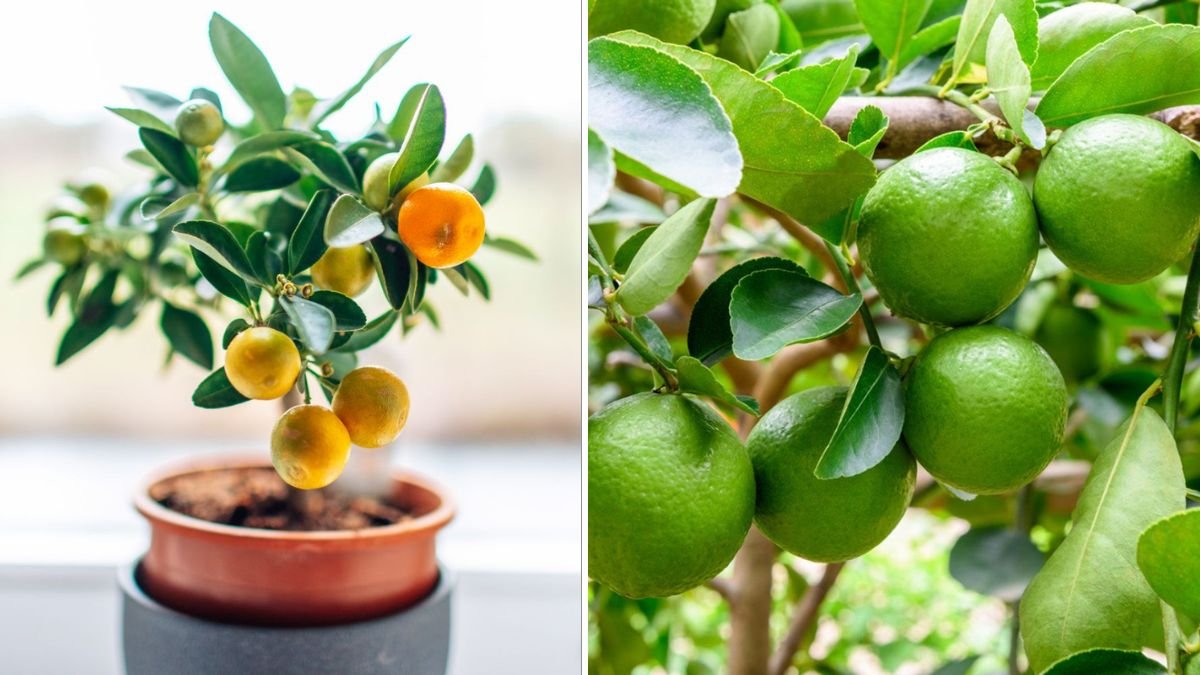
Limes are not just a tart addition to your favorite cocktails and culinary dishes; they are also a rewarding plant to cultivate indoors. With the right conditions and care, you can enjoy fresh, home-grown limes throughout the year, no matter the season. This article delves into the easy methods of growing limes indoors, covering everything from choosing the right variety to tips for successful cultivation and care.
Why Grow Limes Indoors?
Before diving into the cultivation methods, let’s explore why you should consider growing limes indoors:
-
Freshness and Flavor: Home-grown limes have a vibrant flavor that surpasses store-bought options. You can harvest them at their peak maturity for maximum taste.
-
Availability: Growing limes indoors allows for year-round access to this versatile fruit, especially when fresh limes can be expensive or unavailable.
-
Aesthetic Appeal: Lime trees can add a unique touch to your indoor garden, featuring bright green foliage and sometimes lovely fragrant flowers.
-
Air Quality: Indoor plants help improve air quality, promoting a healthier living environment.
Choosing the Right Lime Variety
When starting an indoor lime garden, selecting the right variety is crucial. Here are some popular lime varieties that are suitable for indoor growing:
1. Key Lime (Citrus aurantiifolia)
- Characteristics: Smaller in size, they are known for their rich flavor and perfume-like aroma.
- Growth: Compact growth habit makes them ideal for pot cultivation.
2. Persian Lime (Citrus latifolia)
- Characteristics: These limes are larger, seedless, and more tolerant of various conditions.
- Growing Size: A bushy plant that can adapt well to pots.
3. Improved Meyer Lemon (Citrus × meyeri)
- Characteristics: While technically a lemon, it produces round, juicy fruits that are less acidic and sweeter, resembling limes.
- Adaptability: Thrives well indoors and is a great option for beginners.
Supplies You’ll Need
To grow limes successfully indoors, gather the following supplies:
- Pots: Use pots with good drainage holes, ideally 12-14 inches in diameter.
- Soil: A high-quality potting mix formulated for citrus trees or a mix of potting soil, perlite, and sand to enhance drainage.
- Fertilizer: Citrus-specific fertilizer or a balanced, slow-release fertilizer.
- Watering Can: For careful watering.
- Light Source: A sunny windowsill or grow lights if natural light is limited.
Step-by-Step Growing Guide
Step 1: Planting the Lime Tree
Seed or Sapling?
You can either grow limes from seeds or purchase a young tree (preferably a grafted variety). Seeds from supermarket limes may bear fruit, but it’s often a lengthy process.
If Starting from Seed:
- Extraction: Take seeds from a fresh lime, wash them, and soak overnight.
- Planting: Plant seeds about an inch deep in a small pot filled with moist potting mix. Space them apart if planting multiple seeds.
- Watering: Keep soil consistently moist but not soggy.
If Starting from a Sapling:
- Choose a Pot: Select a larger pot with drainage holes.
- Fill with Soil: Use a well-draining potting mix.
- Transplanting: Carefully place the sapling in the pot, ensuring the root system is covered with soil.
Step 2: Provide Adequate Lighting
Lime trees require plenty of sunlight to thrive. Aim for:
- Sunlight: 10-12 hours of direct sunlight daily. A south or west-facing window is ideal.
- Grow Lights: If adequate sunlight is unavailable, consider using fluorescent or LED grow lights to supplement.
Step 3: Watering Your Lime Tree
Proper watering is crucial for the health of your lime tree. Here are some tips:
- Frequency: Water when the top inch of soil feels dry. Avoid overwatering, which can lead to root rot.
- Technique: Water thoroughly until it drains from the bottom of the pot. Ensure excess water doesn’t pool beneath the pot.
Step 4: Fertilizing
Regular feeding encourages healthy growth and fruit production:
- Schedule: Fertilize every 4-6 weeks during the growing season (spring to early fall) with a balanced citrus fertilizer. Decrease feeding in the winter months.
- Method: Follow the manufacturer’s instructions for the appropriate amount.
Step 5: Pruning and Shaping
To maintain your lime tree’s health and shape:
- When to Prune: Prune in late winter or early spring.
- How to Prune: Remove any dead or damaged branches and shape the tree to promote airflow and light penetration.
Step 6: Managing Pests and Diseases
Indoor lime trees can still encounter pests. Here are common ones and how to manage them:
- Aphids: Small green bugs that suck sap. Use insecticidal soap.
- Spider Mites: Webs and speckled leaves indicate infestation. Increase humidity or use miticides.
- Leaf Spot: Fungal diseases can cause dark spots. Improve air circulation and avoid overhead watering.
Step 7: Pollination
If you notice your tree flowering, encourage pollination for fruit production:
- Hand Pollination: Use a small brush to transfer pollen from flower to flower.
- Attract Pollinators: If possible, bring your lime tree outdoors during the day to attract bees.
Step 8: Harvesting
When it comes time to harvest:
- Color and Size: Limes should be firm and bright green. They can be harvested when slightly yellow for sweeter flavor.
- Picking: Use scissors or pruning shears to avoid damaging branches.
Troubleshooting Common Issues
Yellowing Leaves
- Cause: May indicate overwatering or nutrient deficiency.
- Solution: Adjust watering and ensure proper fertilization.
Dropping Flowers
- Cause: Stress from improper watering, temperature fluctuations, or lack of light.
- Solution: Ensure stable conditions and care.
FAQs
1. How much light do lime trees need indoors?
Lime trees require at least 10-12 hours of direct sunlight each day. If this is not possible, consider using grow lights to supplement.
2. Can I grow limes indoors year-round?
Yes! With proper care, including adequate lighting and temperature control, you can grow limes indoors throughout the year.
3. How long does it take for lime trees to bear fruit?
From seed, it can take up to 3-5 years for lime trees to bear fruit. From a sapling, it may take 1-2 years.
4. What size pot do I need for my lime tree?
A pot that is 12-14 inches in diameter is suitable for growing a lime tree indoors.
5. How do I know when my limes are ready to harvest?
Limes should be firm, bright green, and slightly larger than before. If they start turning yellow, they may be sweeter but will not hold the same tartness associated with limes.
6. Are there any easy-to-grow lime alternatives?
If you’re looking for something different, you could consider growing other citrus plants like lemons, oranges, or calamondin, which can also thrive indoors.
7. Do lime trees require a lot of water?
Lime trees prefer consistently moist soil but should not be overwatered. Water when the top inch of soil is dry.
Conclusion
Growing limes indoors is both an enjoyable and rewarding endeavor. By selecting the right variety and providing the necessary care, you’ll be able to savor fresh limes all year round. With proper attention to light, water, and nutrients, your indoor lime tree will flourish, providing not only delicious fruit but also the joy of cultivation in your home. Embrace the journey, and soon, you’ll be spritzing your culinary creations with the vibrant flavor of home-grown limes!