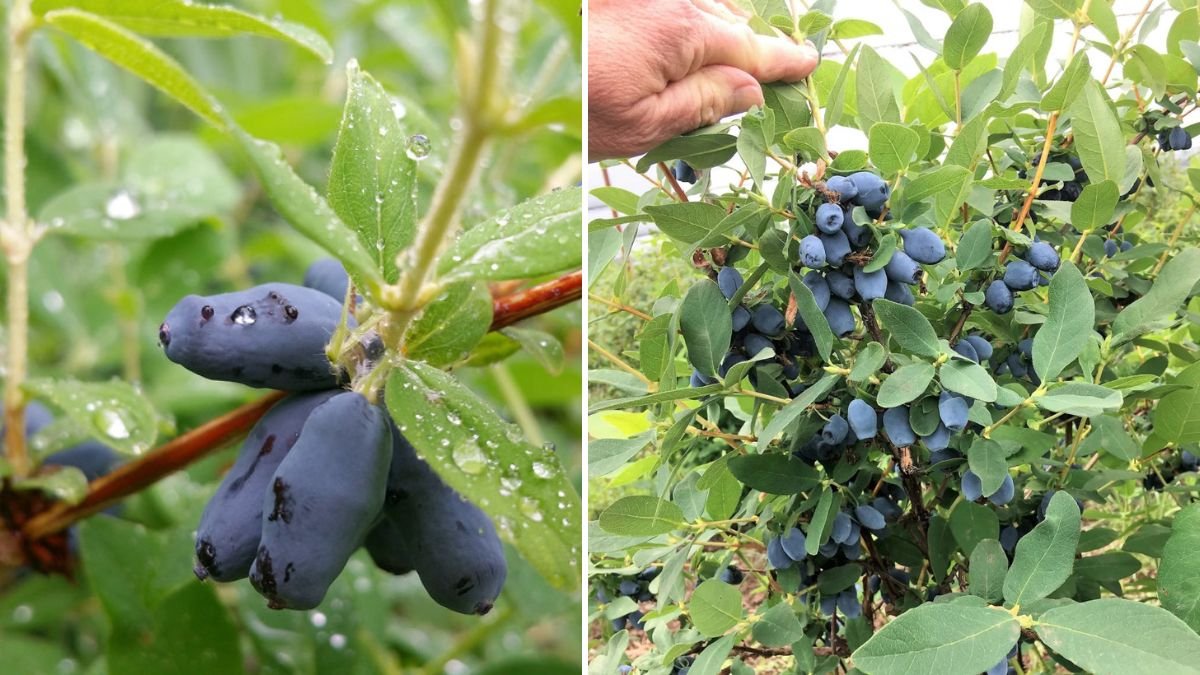
Haskap berries (Lonicera caerulea) are gaining popularity among gardeners and farmers alike due to their impressive nutritional profile and resilience in cold climates. With the right knowledge and techniques, anyone can successfully cultivate these delicious berries year-round, even in regions with harsh winters. This article provides a comprehensive guide on how to cultivate haskap effectively, ensuring robust growth and abundant yields.
Understanding Haskap: A Brief Overview
Originating from Siberia, haskap has adapted well to cold climates and can thrive in USDA zones 2 to 8. These berries are rich in vitamins, antioxidants, and have a unique taste often described as a cross between blueberries and raspberries. In addition to their edible fruit, haskap plants provide a beautiful landscape feature with their attractive foliage and blossoms.
Soil Preparation
1. Choosing the Right Soil
Haskap thrives in well-drained, sandy loam soils with a pH between 6.0 and 7.5. Conduct a soil test to determine the current pH and nutrient levels. Amend the soil as necessary with organic matter, lime, or sulfur to achieve the optimal pH.
2. Improving Drainage
Good drainage is critical for haskap. If your soil is heavy clay or overly compacted, consider raised beds to ensure proper water flow. Incorporate gravel or coarse sand into the soil to enhance drainage and root aeration.
3. Nutrient Enrichment
Before planting, enrich your soil with compost or well-rotted manure. This adds essential nutrients like nitrogen, potassium, and phosphorus, promoting healthy growth.
Planting Haskap
1. Selecting the Right Varieties
Choose disease-resistant haskap varieties suitable for your climate. Some popular cultivars include ‘Berry Blue,’ ‘Mizu,’ and ‘Torenia.’ Consider cross-pollination needs, as planting multiple varieties can increase fruit yield.
2. Optimal Planting Time
The ideal time to plant haskap is in the spring, after the last frost, or in early fall. This allows roots to establish before the extreme cold sets in.
3. Spacing and Arrangement
Space plants approximately 4 to 6 feet apart to accommodate their mature size. A staggered planting layout can enhance cross-pollination and improve air circulation around plants.
4. Planting Technique
Dig a hole deep enough to accommodate the root ball without bending the roots. Backfill with soil and pack lightly around the base. Water thoroughly after planting to eliminate air pockets.
Maintenance Throughout the Year
1. Watering Practices
Haskap plants need consistent moisture, especially during establishment and fruiting periods. Water deeply and infrequently to encourage deep root growth. Mulching around the base can help retain moisture and regulate soil temperature.
2. Fertilization
At the beginning of the growing season, apply a slow-release fertilizer or organic compost. Avoid over-fertilizing, as it can lead to excessive leaf growth at the expense of fruit production.
3. Pruning Techniques
Regular pruning enhances airflow and allows sunlight to penetrate the shrub. In late winter or early spring, before new growth begins, prune out dead or damaged branches and thin out crowded areas.
4. Pest and Disease Management
Haskap is generally resistant to pests, but stay vigilant for common threats like aphids and spider mites. Use natural insecticides or neem oil when infestations occur. Fungal diseases can be mitigated by ensuring good air circulation and avoiding overhead watering.
Winter Care for Haskap
1. Mulching
Apply a thick layer of mulch (straw, wood chips, or pine needles) around the base of the plants in late fall. This provides insulation for the roots and protects against soil erosion.
2. Protecting from Wildlife
Consider wrapping bases with wire mesh or using protective fencing to deter hungry deer and rabbits that may be attracted to the young shoots during the winter months.
3. Snow Cover
If possible, allow snow to accumulate around the base of the plants. Snow acts as an insulating layer, protecting roots from extreme temperature fluctuations.
Harvesting Haskap
1. Timing the Harvest
Haskap berries typically ripen between mid-June and early July, depending on the variety and climate. Harvest when the berries are fully blue and easily detach from the stem.
2. Picking Methods
Gently twist or pull the berries off the plant to avoid damaging the fruit and branches. Use clean, sanitized containers to prevent contamination.
3. Post-Harvest Handling
After harvesting, rinse the berries gently and spread them out to dry. Store in the refrigerator or freeze them to maintain freshness for extended periods.
Utilize Haskap in Your Diet
Haskap berries can be enjoyed fresh, frozen, or processed into jams, jellies, and wines. Their unique flavor complements various dishes, from salads to desserts. Try incorporating them into smoothies or baking recipes for added nutrition.
FAQs
1. What type of climate is best for haskap cultivation?
Haskap thrives in cold climates, ideally in USDA zones 2 to 8. They require cold winters to promote dormancy and ensure fruit production.
2. Do I need multiple plants for fruit production?
Yes, planting at least two different varieties will improve pollination and increase fruit yield.
3. How often should I water haskap plants?
Water deeply and infrequently. It’s essential to maintain consistent moisture, especially during flowering and fruiting.
4. Can I grow haskap in containers?
Yes, haskap can be grown in large containers, provided they have good drainage. Choose dwarf varieties for optimal container growth.
5. When can I expect my first harvest?
Haskap plants typically produce fruit within 2 to 3 years after planting.
6. What pests should I watch for?
Common pests include aphids and spider mites. Regular monitoring can help prevent infestations.
7. How do I know when to harvest my berries?
Berries are ready for harvest when they turn fully blue and easily detach from the stem.
8. Can I prune haskap plants?
Yes, pruning in late winter or early spring improves airflow and promotes healthy growth.
9. Are haskap berries suitable for freezing?
Absolutely! Haskap berries freeze well, allowing you to enjoy them throughout the year.
10. What are some health benefits of haskap berries?
Haskap berries are rich in antioxidants, vitamins A and C, and are thought to aid in heart health and improve immune function.
Conclusion
Successfully cultivating haskap in cold climates year-round is entirely feasible with the right techniques and care. From soil preparation to harvesting methods, each step is crucial in ensuring vibrant plants and bountiful fruit. With increasing interest in nutritious and resilient crops, haskap is an excellent choice for both novice and experienced gardeners. Enjoy the journey of growing this remarkable berry, and relish the rewards it brings for both your health and palate.