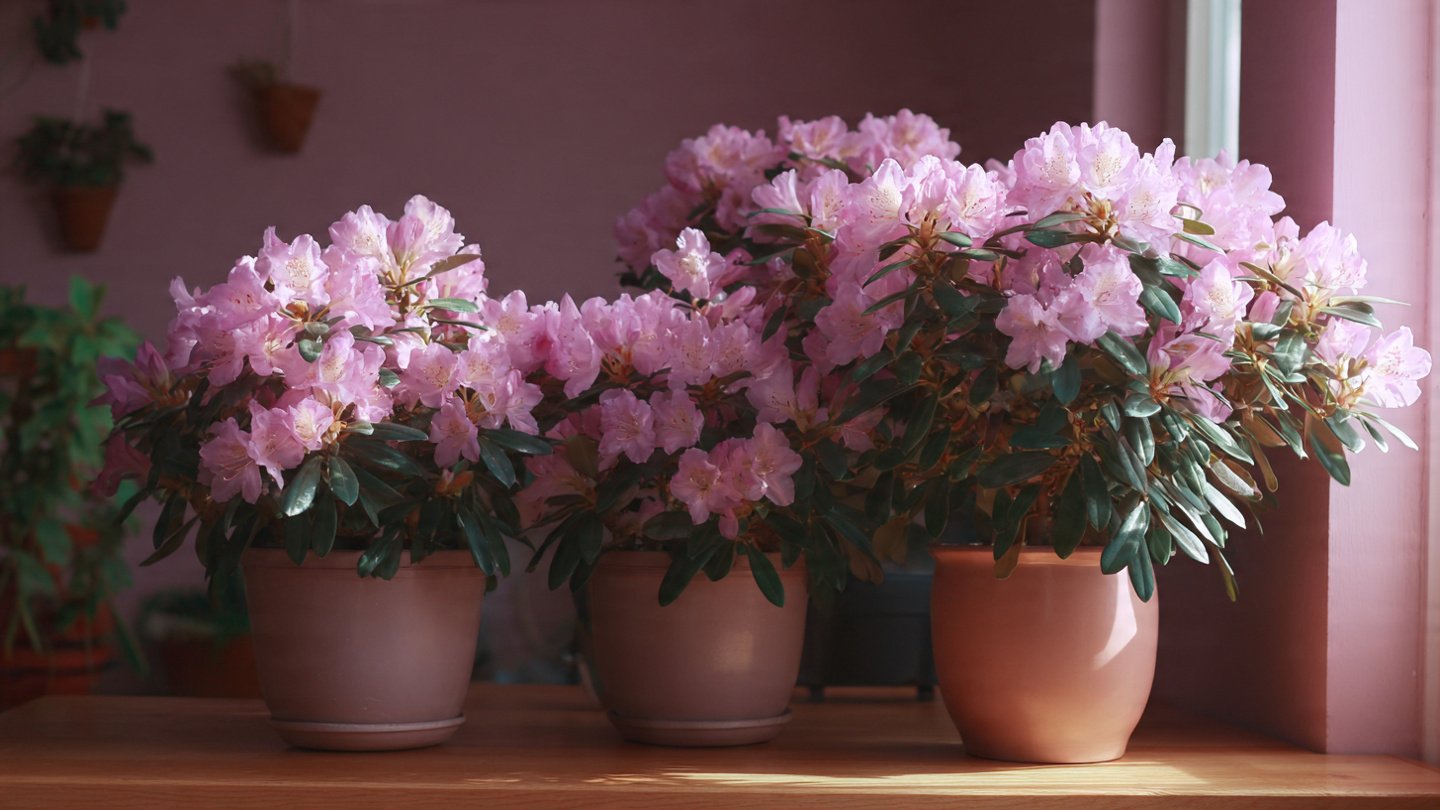
Dwarf rhododendrons are an excellent choice for indoor gardening enthusiasts who want to bring the beauty of flowering plants into their homes. With their vibrant blooms and lush foliage, these compact shrubs can thrive indoors, creating a stunning focal point in any room. In this article, we will discuss the steps to successfully grow dwarf rhododendrons indoors year-round, covering everything from choosing the right variety to understanding their specific care requirements.
1. Choosing the Right Variety
1.1 Popular Dwarf Varieties
Before starting your indoor gardening journey, it’s essential to select the appropriate dwarf rhododendron variety. Some popular choices include:
- Dwarf Bluebird: Known for its striking blue flowers.
- Dwarf Snow: Features pure white flowers, ideal for a serene indoor space.
- Dwarf Pink Lace: Displays delicate pink blooms that add a touch of elegance.
1.2 Considerations for Variety Selection
When choosing a variety, consider aspects such as:
- Blooming Season: Some varieties bloom in spring, while others may have summer or fall blooms.
- Color Preferences: Select colors that complement your home decor.
- Size: Ensure that the dwarf variety you choose will fit well in your indoor space.
2. Understanding the Growing Environment
2.1 Ideal Light Conditions
Dwarf rhododendrons require specific light conditions to flourish indoors:
- Bright Indirect Light: Place them near east or west-facing windows that provide bright but filtered sunlight.
- Artificial Light: If natural light is insufficient, consider supplementing with grow lights.
2.2 Temperature and Humidity
Maintaining the right temperature and humidity levels is crucial for their overall health:
- Temperature: Optimal indoor temperatures range from 65°F to 70°F (18°C to 21°C).
- Humidity: Rhododendrons thrive in higher humidity environments. Consider using a humidifier or placing a tray of water with pebbles below the pot to maintain humidity levels.
2.3 Air Circulation
Good air circulation helps prevent fungal diseases and pests. Ensure that your indoor space has adequate ventilation, especially in warmer months.
3. Soil and Potting
3.1 Choosing the Right Soil
Dwarf rhododendrons prefer acidic, well-draining soil. Look for soil mixes designed specifically for rhododendrons or azaleas. You can also create your blend using:
- Peat Moss: Helps retain moisture while maintaining acidity.
- Perlite or Sand: Enhances drainage.
3.2 Pot Selection
Select a container that provides good drainage:
- Material: Consider using terracotta pots, which allow for better airflow to the roots.
- Size: Choose a pot that is slightly larger than the root ball to encourage growth without causing root rot.
3.3 Repotting
Dwarf rhododendrons should be repotted every two to three years, or when they outgrow their pots. Repotting encourages healthy root development and provides fresh nutrients.
4. Watering and Fertilizing
4.1 Watering Techniques
Finding the right watering balance is crucial:
- Frequency: Water thoroughly when the top inch of soil feels dry. Avoid letting the plant sit in standing water.
- Water Quality: Use distilled or rainwater when possible, as tap water can be alkaline, which is detrimental to rhododendrons.
4.2 Fertilizing
Fertilization plays a key role in healthy growth:
- Type of Fertilizer: Use a balanced, slow-release fertilizer in early spring when new growth appears.
- Frequency: Fertilize every four to six weeks during the growing season.
5. Pest and Disease Management
5.1 Common Pests
Dwarf rhododendrons can attract various pests. Be vigilant and check your plants regularly, as pests can multiply quickly.
- Spider Mites: These tiny pests thrive in low humidity. Treat with insecticidal soap or neem oil.
- Aphids: These small insects can cause leaf curling. Use insecticidal sprays or introduce beneficial insects like ladybugs.
5.2 Disease Prevention
Prevent diseases by adhering to good cultural practices:
- Avoid Overhead Watering: Water at the base of the plant to prevent fungal infections.
- Ensure Good Airflow: Space out plants to avoid overcrowding.
6. Pruning and Maintenance
6.1 Pruning for Shape and Health
Regular pruning encourages bushier growth and more blooms:
- When to Prune: Prune after flowering to shape the plant and remove dead or damaged branches.
- Pruning Techniques: Use clean, sharp shears and make cuts just above a node to encourage branching.
6.2 Seasonal Care
Adjust care practices with the changing seasons:
- Winter Care: Minimize watering during the dormant period in winter, keeping the soil just moist enough to prevent drying out. Reduce fertilization during this time.
7. Encouraging Blooms
7.1 Light Requirements for Blooms
To promote flowering, ensure that your dwarf rhododendrons receive ample light during their growing season. Insufficient light can lead to fewer blooms.
7.2 Temperature for Flowering
Cooler nighttime temperatures can also encourage blooming. Aim for temperatures around 55°F to 60°F (13°C to 16°C) during the night if possible.
8. FAQs
Q1: Can I grow dwarf rhododendrons in low light?
While dwarf rhododendrons can tolerate low light, they require bright, indirect light for optimal growth. Supplemental artificial lights can help in low-light conditions.
Q2: How often should I water my dwarf rhododendron?
Water when the top inch of soil is dry. Overwatering can lead to root rot, while underwatering can cause the leaves to droop.
Q3: Why are the leaves turning yellow?
Yellowing leaves can indicate overwatering or nutrient deficiencies. Check soil moisture levels, and consider fertilizing if it’s been a while since your last application.
Q4: How can I encourage more blooms?
To encourage more blooms, ensure your dwarf rhododendron receives enough light, maintain proper watering, and consider deadheading spent flowers.
Q5: Are dwarf rhododendrons safe for pets?
Most dwarf rhododendron species are toxic to pets if ingested. Keep these plants out of reach of curious pets, and consult a veterinarian if ingestion occurs.
Conclusion
Growing dwarf rhododendrons indoors can be a rewarding experience, transforming your indoor space with their colorful blooms and lush foliage. By following these simple steps — from selecting the right variety and understanding their care needs to managing pests and maintaining humidity — you can enjoy the beauty of dwarf rhododendrons year-round. With a little dedication and attention to their environmental needs, these vibrant plants will thrive in your home, bringing joy and color into your life. Happy gardening!