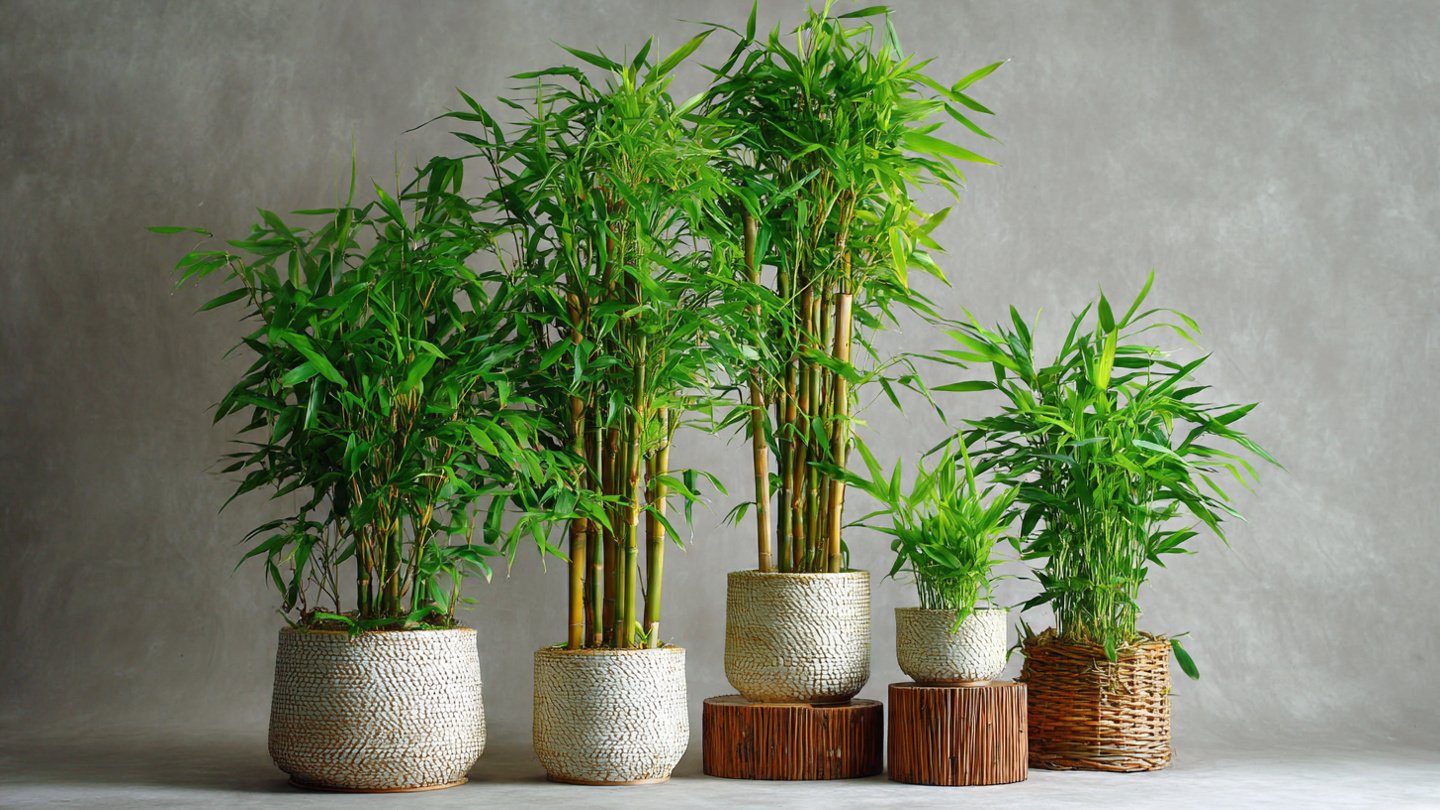
Cultivating dwarf bamboo not only enhances the aesthetic appeal of your home decor but also promotes tranquility and a connection to nature. Dwarf bamboo varieties are prized for their compact size, lush foliage, and unique textures, making them perfect for a variety of indoor and outdoor settings. Here’s a comprehensive guide to successfully growing and caring for dwarf bamboo, complete with a FAQs section at the end.
Understanding Dwarf Bamboo
Dwarf bamboo refers to several species of bamboo that typically grow to a height of 3-4 feet, making them ideal for small spaces. Unlike their taller counterparts, these varieties are easier to manage and can thrive in containers, on balconies, or in well-maintained gardens.
Popular Varieties of Dwarf Bamboo:
- Pleioblastus pygmaeus (Dwarf Arrow Bamboo)
- Fargesia rufa (Chinese Fountain Bamboo)
- Bambusa vulgaris ‘Vittata’ (Golden Hawaiian Bamboo)
Benefits of Cultivating Dwarf Bamboo
- Aesthetic Appeal: The lush, green foliage adds a vibrant touch to any space.
- Air Purification: Bamboo is excellent at filtering pollutants and improving indoor air quality.
- Easy Maintenance: Dwarf bamboo generally requires less care than larger varieties.
- Versatile Use: It can be used in indoor planters, garden beds, or as part of a landscape design.
Step-by-Step Guide to Cultivating Dwarf Bamboo
Step 1: Selecting the Right Variety
Choosing the appropriate variety is crucial based on your space, climate, and aesthetic preference. Consider factors like height, growth rate, and whether you want a clumping or running type of bamboo.
Step 2: Preparing the Soil
Dwarf bamboo thrives in well-draining soil with a pH level between 5.5 and 7.0. Here’s how to prepare the optimal soil mix:
-
Gather Materials:
- Potting soil
- Sand or perlite (for drainage)
- A balanced organic fertilizer
-
Mixing the Soil:
- Combine two parts potting soil with one part sand or perlite to ensure adequate drainage.
- Mix in a small amount of balanced organic fertilizer to promote healthy growth.
Step 3: Planting the Bamboo
-
Choose the Right Container:
For indoor growing, select a pot that is at least 12-14 inches in diameter. Ensure it has drainage holes to prevent waterlogging. -
Planting:
- Fill the pot with the prepared soil mixture, leaving about an inch of space at the top.
- Gently remove your bamboo from its nursery pot and place it in the center of the container.
- Backfill with soil and firm it gently around the roots.
-
Outdoor Planting:
- Choose a suitable location with partial to full sunlight.
- Dig a hole about twice the size of the root ball, fill it with soil, and place the plant in the center.
Step 4: Watering and Fertilizing
-
Watering:
Bamboo prefers moist but not soggy soil. Water your plant thoroughly after planting and keep the soil consistently moist. -
Fertilizing:
- Apply a balanced liquid fertilizer every 4-6 weeks during the growing season (typically spring and summer).
- Reduce feeding in the fall and winter as the plant enters dormancy.
Step 5: Light and Temperature Requirements
-
Light:
Dwarf bamboo does best in bright, indirect sunlight. If growing indoors, place it near a window that gets plenty of light but avoid intense afternoon sun that can scorch the leaves. -
Temperature:
Most dwarf bamboo varieties prefer temperatures between 65°F and 80°F. Be cautious of extreme temperature fluctuations, especially if they’re grown outdoors.
Step 6: Pruning and Maintenance
-
Pruning:
- Regularly prune dead or yellowing leaves to promote new growth and maintain a neat appearance.
- Cut back any excessive stems to prevent overcrowding.
-
Pest Control:
Bamboo is generally resistant to pests, but they can occasionally attract aphids and spider mites. Use insecticidal soap or neem oil for treatment. -
Repotting:
Dwarf bamboo may outgrow its container, so repotting every 2-3 years is advisable. Choose a slightly larger pot and refresh the soil mix.
Step 7: Winter Care
-
Indoor Care:
Keep your dwarf bamboo in a warm spot during winter, ideally around 60°F to 65°F. Reduce watering, allowing the top inch of soil to dry out before rehydrating. -
Outdoor Care:
If growing outdoors in non-tropical regions, protect your bamboo with mulch or cover it with burlap to shield it from freezing temperatures.
Decor Ideas Using Dwarf Bamboo
- Indoor Planters: Use sleek, modern pots to create elegant indoor arrangements.
- Garden Borders: Plant dwarf bamboo along paths or garden edges for a lush, green border.
- Japanese Zen Gardens: Incorporate into a zen garden for a tranquil atmosphere.
- Container Gardens: Mix with other decorative plants for a diverse, colorful display.
FAQs
1. How long does it take for dwarf bamboo to grow?
Dwarf bamboo generally grows quickly, with most varieties reaching maturity within 2-3 years under optimal conditions.
2. Can dwarf bamboo be grown indoors?
Yes, many dwarf bamboo varieties are well-suited for indoor cultivation, thriving in containers with plenty of indirect light.
3. How often should I water my dwarf bamboo?
Water your dwarf bamboo when the top inch of soil feels dry. Typically, this means watering once or twice a week, depending on your climate.
4. Is dwarf bamboo invasive?
Most dwarf bamboo species are clumping varieties that grow in a contained manner, making them less invasive than running types. However, it’s essential to research the specific variety you choose.
5. Can I use bamboo in my garden?
Absolutely! Dwarf bamboo can make a wonderful addition to your garden, providing structure and greenery. Just make sure to choose appropriate varieties based on your space and landscape design.
6. What pests should I look out for with dwarf bamboo?
Common pests include aphids and spider mites. Regularly inspect your plant and treat infestations with insecticidal soap or neem oil as needed.
7. Do I need special care for dwarf bamboo?
While dwarf bamboo is relatively low-maintenance, ensuring proper watering, lighting, and occasional pruning will support its health and growth.
Conclusion
Dwarf bamboo is an excellent choice for home decor, offering beauty, tranquility, and numerous benefits. By following these straightforward steps and guidelines, you can successfully cultivate a lush oasis in your home or garden. Whether using it as a focal point in your indoor planters or as part of your outdoor landscaping, dwarf bamboo brings a touch of nature that brightens up any space. Embrace the journey of growing this delightful plant and enjoy the serene environment it brings into your life.