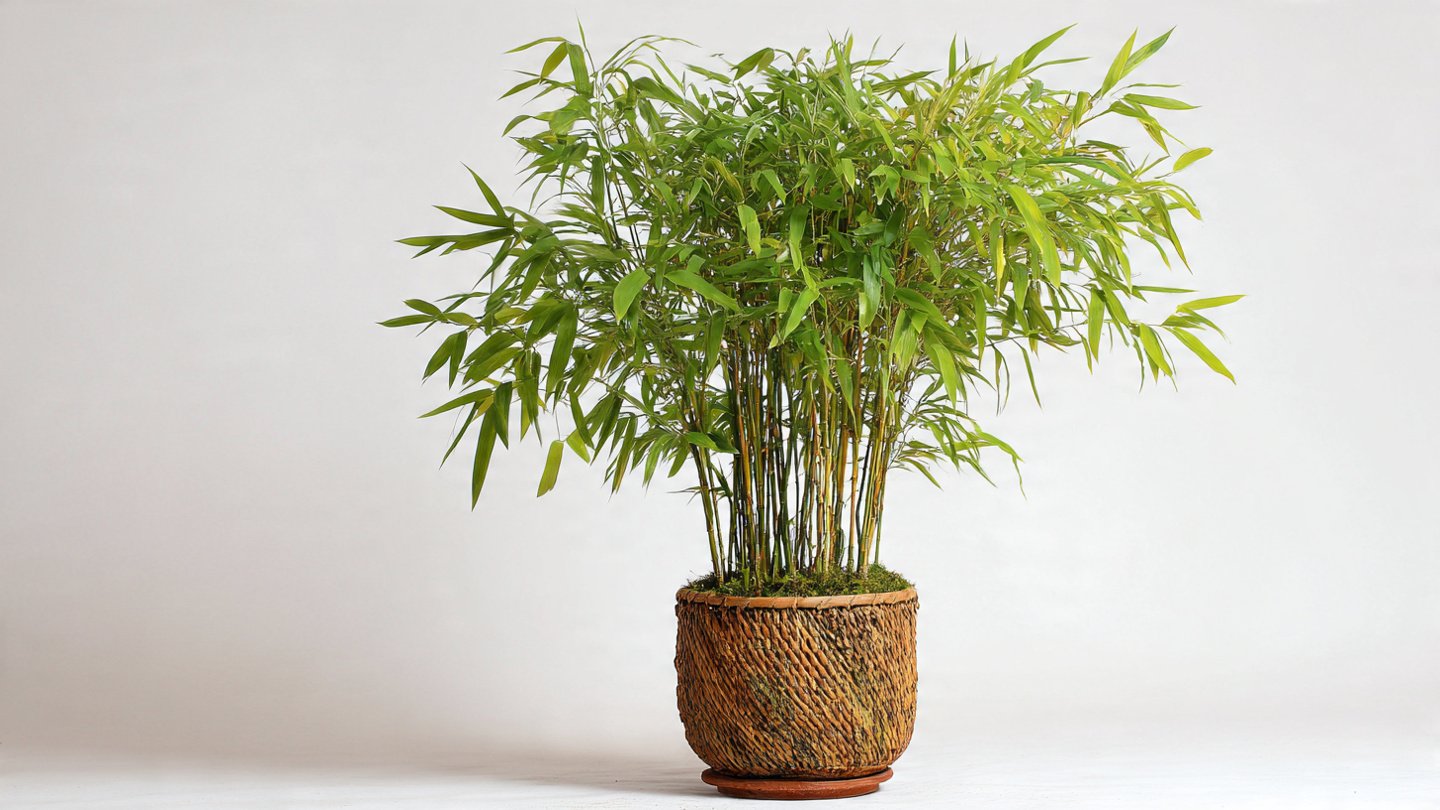
Dwarf bamboo has become a popular choice for home decor, thanks to its elegant appearance, rapid growth, and versatile uses. Whether you want to create a serene corner in your living room or a lush arrangement in your garden, dwarf bamboo can be a stunning addition. In this article, we will guide you through easy steps to successfully cultivate dwarf bamboo, alongside tips for care and maintenance, ensuring that your plants thrive.
What is Dwarf Bamboo?
Dwarf bamboo refers to species of bamboo that typically grow to a height of 3 to 5 feet, making them ideal for smaller spaces. Unlike larger bamboo varieties, dwarf bamboo is manageable, making it suitable for pots, indoor gardens, and even as part of flower beds. Some popular species of dwarf bamboo include:
- Fargesia murielae (Umbrella Bamboo): Known for its bushy growth, this variety is excellent for shaded areas.
- Pleioblastus pygmaeus (Pygmy Bamboo): This variety has slender stems and is perfect for borders and ground cover.
- Bambusa multiplex (Hedge Bamboo): Typically used for privacy hedges, it retains a compact form.
Steps to Cultivate Dwarf Bamboo
1. Select the Right Species
Before you start growing dwarf bamboo, it’s crucial to choose the right species based on your climate and space. Research the growth conditions and characteristics of different dwarf bamboo varieties to ensure you select one that meets your needs.
2. Choose the Right Location
Dwarf bamboo thrives in well-draining soil with ample sunlight. Here are some considerations:
- Sunlight: Most species prefer full sun to partial shade. Observe your space to determine how much sunlight the area receives throughout the day.
- Shelter: If you live in an area with harsh winds, consider planting bamboo in a sheltered spot to protect it from damage.
3. Preparing the Soil
Bamboo prefers soil that is rich in organic matter and has good drainage. Here’s how to prepare your soil effectively:
- Soil Test: Conduct a soil test to check pH levels. Bamboo prefers slightly acidic to neutral soil (pH 6-7).
- Soil Amendment: Mix compost or well-rotted manure into the existing soil to enhance fertility and drainage.
4. Planting Dwarf Bamboo
When you’re ready to plant, follow these steps for successful establishment:
- Spacing: Space your plants about 2 to 4 feet apart to allow for their bushy growth.
- Digging the Hole: Make a hole that is twice as wide and just as deep as the root ball of your bamboo plant.
- Planting: Place the bamboo in the hole, ensuring that the top of the root ball is level with the soil surface. Fill in the hole with soil and tamp it down lightly to eliminate air pockets.
5. Watering
Watering is crucial, especially during the first few weeks after planting. Here are some watering tips:
- Initial Watering: Water thoroughly after planting to help establish roots.
- Regular Watering: Keep the soil consistently moist but not waterlogged. Water deeply once or twice a week during dry spells. In the growing season (spring to late summer), you may need to water more frequently.
6. Fertilization
Bamboo is a fast-growing plant, which means it requires nutrients to thrive. Here’s how to fertilize:
- Granular Fertilizer: Use a balanced granular fertilizer (such as 10-10-10) every 6-8 weeks during the growing season.
- Organic Options: Consider using organic fertilizers like bamboo-specific fertilizers or fish emulsion to promote healthy growth.
7. Mulching
Mulching is an essential step that helps maintain moisture, control weeds, and improve soil quality. Follow these guidelines:
- Choosing Mulch: Use organic mulches such as straw, wood chips, or shredded leaves.
- Application: Apply a 2-3 inch layer of mulch around the base of your bamboo, keeping it a few inches away from the stems to prevent rot.
8. Pruning
Regular pruning helps maintain the health and aesthetics of dwarf bamboo. Here’s how to do it:
- Timing: The best time to prune is in late winter or early spring before new growth begins.
- Method: Remove any dead or yellowing stems at the base. You can also thin out overcrowded areas to improve air circulation.
9. Pest and Disease Management
Dwarf bamboo is generally resistant to pests and diseases; however, keep an eye out for the following:
- Aphids and Spider Mites: These pests can sometimes infest bamboo. Maintain humidity levels and wash the plants with soapy water if necessary.
- Fungal Issues: Ensure good air circulation and avoid overhead watering to reduce fungus risk.
10. Winter Care
While dwarf bamboo can tolerate some cold, it’s essential to take precautions during the winter months:
- Covering: If you live in a colder climate, consider covering your bamboo with burlap or mulch for extra protection.
- Containers: For potted dwarf bamboo, consider bringing it indoors or moving the pot to a sheltered location during extreme cold.
Designing with Dwarf Bamboo
Dwarf bamboo adds a touch of elegance to any space, both indoors and outdoors. Here are some creative ideas for incorporating it into your decor:
- Indoor Planters: Use decorative pots and place them near windowsills or in corners of rooms to brighten up the space.
- Garden Borders: Create lush borders in your garden using dwarf bamboo as a backdrop for flowering plants.
- Privacy Screens: Arrange several bamboo plants in a row to create an attractive and functional privacy screen.
FAQs
1. How fast does dwarf bamboo grow?
Dwarf bamboo can grow quite rapidly, often reaching its full height within a couple of growing seasons. Depending on the species and growing conditions, it can grow around 3 to 12 inches each week during the growing season.
2. Can dwarf bamboo be grown indoors?
Yes, dwarf bamboo can be successfully grown indoors if provided with adequate light, humidity, and care. Ensure it receives indirect sunlight and avoid placing it in overly dry conditions.
3. Is dwarf bamboo invasive?
Most dwarf bamboo species are clumping types, meaning they grow in a contained manner and are less invasive than running varieties. However, it’s still essential to monitor their growth to ensure they do not outgrow their designated space.
4. How often should I fertilize my dwarf bamboo?
It’s recommended to fertilize dwarf bamboo every 6-8 weeks during the growing season (spring to late summer) using a balanced fertilizer or organic options.
5. What should I do if my bamboo turns yellow?
Yellowing leaves can indicate overwatering, nutrient deficiency, or pest issues. Check the soil moisture, consider fertilizing, and inspect for pests. Adjust care as needed.
6. What is the best soil type for dwarf bamboo?
Dwarf bamboo thrives in well-draining soil enriched with organic matter. A good quality potting mix or a combination of garden soil and compost works well.
Conclusion
Cultivating dwarf bamboo for home decor is a rewarding endeavor that can enhance the aesthetics of any space. By following the easy steps outlined in this article—from choosing the right species to understanding care and maintenance—you can create a thriving bamboo sanctuary in your home or garden. With the right attention and care, your dwarf bamboo can become a stunning focal point, bringing tranquility and charm to your environment.