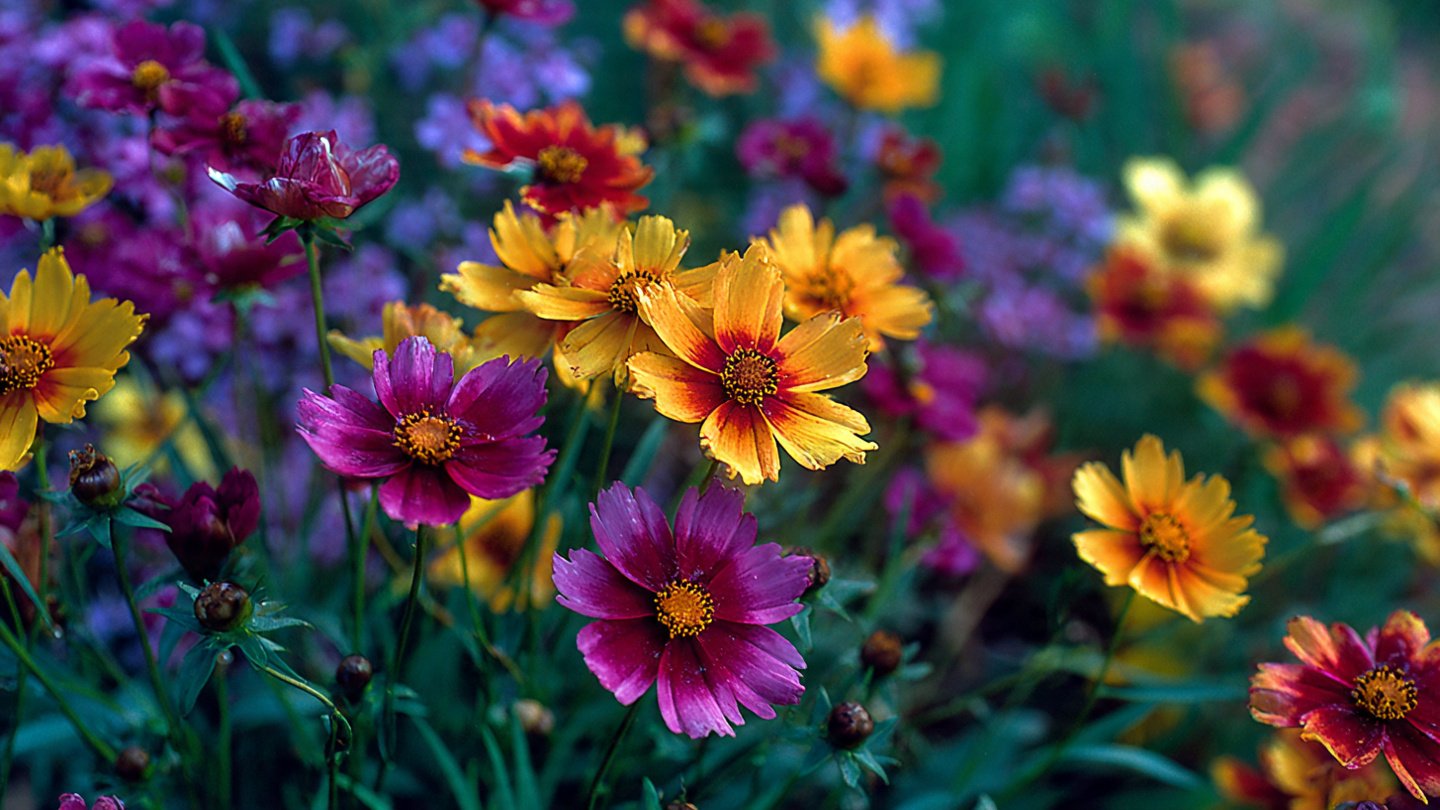
Dwarf coreopsis, also known as Coreopsis tinctoria, is a delightful perennial that can bring color and character to your garden landscape. These charming plants are a favorite among gardeners for their vibrant blooms and ease of care. With their cheerful yellow and golden flowers, dwarf coreopsis not only attracts pollinators but also provides a stunning display throughout the growing season. If you want to learn how to successfully grow dwarf coreopsis in your garden, this article will guide you through the process step-by-step.
Table of Contents
- Introduction to Dwarf Coreopsis
- Choosing the Right Location
- Soil Requirements
- Planting Dwarf Coreopsis
- Caring for Dwarf Coreopsis
- Common Pests and Diseases
- Harvesting and Enjoying Your Blooms
- Frequently Asked Questions (FAQs)
1. Introduction to Dwarf Coreopsis
Dwarf coreopsis is a low-growing perennial that typically reaches heights of 1 to 2 feet. It produces an abundance of daisy-like flowers that bloom from late spring to early fall. The foliage is fine and feathery, creating a lovely backdrop for the bright flowers. Coreopsis thrives in various climates, making it a versatile choice for many regions.
This lovely perennial is often used in garden beds, borders, or as ground cover due to its compact size and rich color. Coreopsis is also known for its drought tolerance once established, making it an excellent choice for low-maintenance gardens.
2. Choosing the Right Location
Selecting the right location for dwarf coreopsis is crucial for its growth:
- Sunlight: Dwarf coreopsis thrives in full sun, requiring at least 6 to 8 hours of direct sunlight each day. While it can tolerate partial shade, the best blooms and foliage are produced in sunny conditions.
- Spacing: When planting multiple coreopsis, space them about 12-18 inches apart. This allows for good air circulation and helps prevent diseases.
- Design: Consider incorporating dwarf coreopsis into flower beds, along pathways, or as part of a rock garden. Its bright colors contrast beautifully against other plants.
3. Soil Requirements
Dwarf coreopsis is relatively undemanding when it comes to soil:
- Soil Type: It prefers well-drained soil but can tolerate various types, including sandy, loamy, and even slightly clayey soils.
- pH Levels: Aim for a soil pH of 6.0 to 7.0 for optimal growth. You can test your soil using a pH kit to ensure suitable conditions.
- Soil Enrichment: Prior to planting, enrich the soil with organic matter, such as compost or well-rotted manure. This improves soil structure and provides essential nutrients.
4. Planting Dwarf Coreopsis
Follow these steps for successful planting:
- Timing: The best time to plant dwarf coreopsis is in the spring after the last frost. However, you can also plant in the fall in warmer climates.
- Preparation: Prepare your planting site by clearing away weeds and debris. Loosen the soil to a depth of about 12 inches and mix in organic matter.
- Planting:
- Dig a hole that is twice the width of the root ball and the same depth.
- Place the coreopsis plant in the hole, ensuring that the crown (where the stems meet the roots) is level with the soil surface.
- Backfill the hole with soil and gently tamp it down to remove air pockets.
- Water the plant thoroughly after planting.
5. Caring for Dwarf Coreopsis
Proper care is essential for healthy growth:
- Watering: While dwarf coreopsis is drought-tolerant, it requires regular watering during dry spells, especially when newly planted. The goal is to keep the soil consistently moist but not soggy.
- Fertilizing: Fertilize sparingly, as coreopsis often thrives in low-nutrient soils. A balanced, slow-release fertilizer applied in early spring can promote growth.
- Deadheading: To encourage continuous blooming, pinch or cut off spent flowers. This prevents the plant from going to seed and redirects energy toward new blooms.
- Pruning: After the first round of blooming in early summer, prune back the plant by one-third to encourage a second flush of flowers.
6. Common Pests and Diseases
Dwarf coreopsis is relatively pest and disease-resistant, but it can still face some challenges:
- Pests: Watch for aphids, spider mites, and thrips. These pests can be managed with insecticidal soap or neem oil. Regularly inspect your plants and take action as needed.
- Diseases: Fungal diseases can occur in overly wet conditions. Ensure good air circulation and avoid overhead watering to minimize risks. If you notice signs of disease, remove affected leaves and apply a fungicide if necessary.
7. Harvesting and Enjoying Your Blooms
Once your dwarf coreopsis starts blooming, you can enjoy its vibrant colors in various ways:
- Cutting Flowers: Dwarf coreopsis makes excellent cut flowers. Harvest them in the morning when it’s cooler for the best quality. Cut at a 45-degree angle and place them in water immediately.
- Arrangements: Use dwarf coreopsis in bouquets or arrangements, combining them with other garden flowers for a burst of color.
- Drying: If you want to preserve the blooms, consider drying them. Hang them upside down in a dark, dry place for a few weeks.
8. Frequently Asked Questions (FAQs)
Q1: How do I propagate dwarf coreopsis?
A: Dwarf coreopsis can be propagated through division or by collecting seeds. For division, wait until spring and split mature plants into smaller sections. For seeds, collect them after the flowers fade and plant them in early spring.
Q2: How often should I water dwarf coreopsis?
A: Water your dwarf coreopsis regularly during dry spells, aiming to keep the soil consistently moist. Once established, the plant is quite drought-tolerant and may require less frequent watering.
Q3: Can dwarf coreopsis survive in winter?
A: Yes, dwarf coreopsis is hardy in most climates and can survive winter. In colder areas, a layer of mulch can help protect the roots.
Q4: Is dwarf coreopsis a good choice for containers?
A: Absolutely! Dwarf coreopsis can thrive in containers, provided they have adequate drainage and receive enough sunlight.
Q5: What colors do dwarf coreopsis come in?
A: The most common variety features yellow and gold blooms, but some cultivars may offer variations in color, including reddish and pink hues.
Q6: How do I keep dwarf coreopsis from spreading too much?
A: To control spreading, regularly deadhead spent flowers and divide the plants every few years to keep their growth in check.
Conclusion
Growing dwarf coreopsis is a rewarding experience that can greatly enhance the beauty of your garden. With their vibrant blooms, ease of care, and resistance to pests and diseases, they are an excellent choice for both novice and experienced gardeners. Following these easy steps will ensure you have a robust and colorful display of dwarf coreopsis that will attract pollinators and provide joy for seasons to come.
Make sure to visit local nurseries or garden centers to choose the right cultivars for your area, and soon you’ll enjoy a garden full of life and color with dwarf coreopsis. Happy gardening!