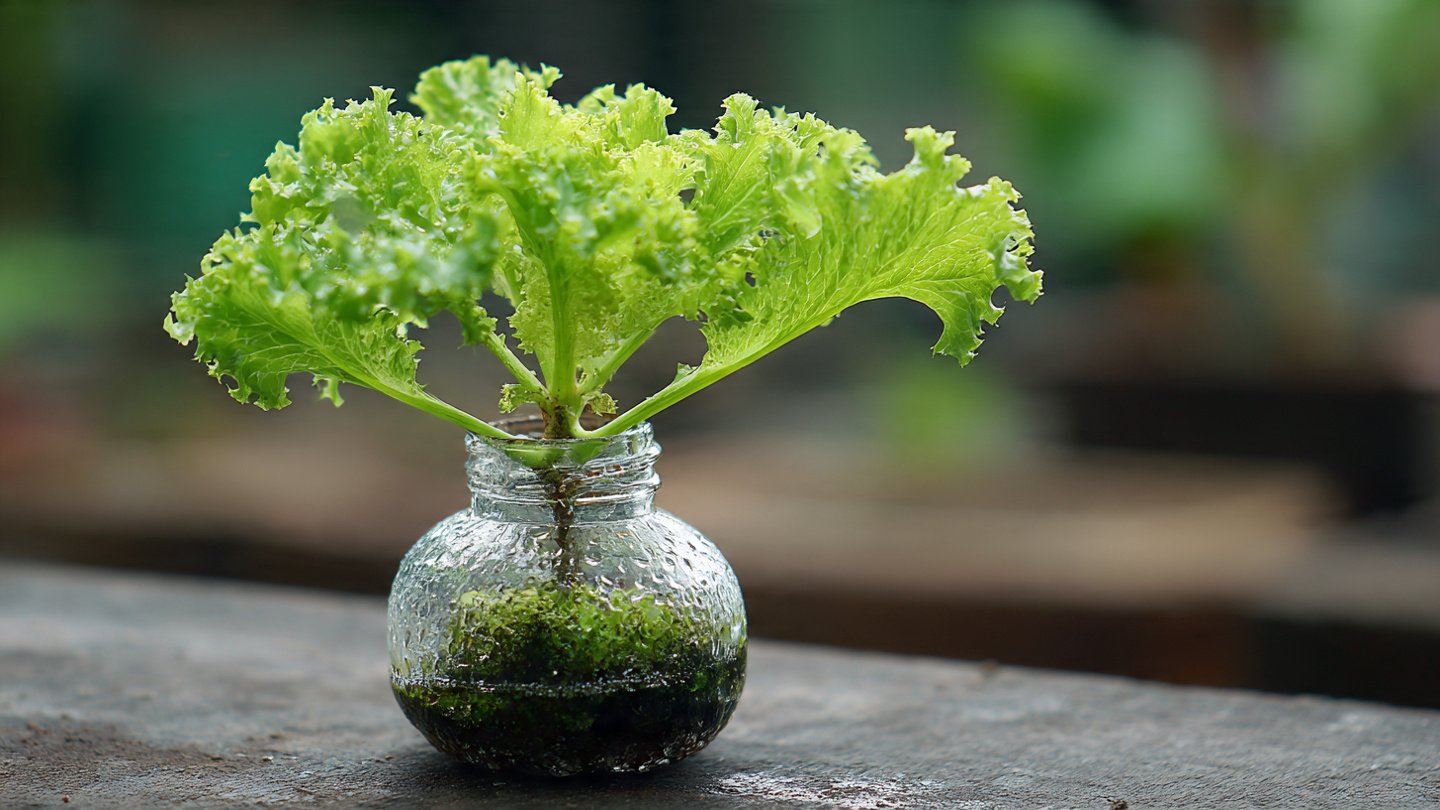
Growing your own herbs and greens can be a gratifying experience, and sorrel is one of the easiest to cultivate. Known for its tangy, lemony flavor, sorrel is a versatile salad green that can be used in a range of dishes. Growing sorrel in containers is not only space-efficient but also makes it accessible for urban gardeners or those with limited outdoor space. This article explores easy steps to successfully grow sorrel in containers, covering everything from selecting the right pot to harvesting your greens.
Understanding Sorrel
Before diving into the growing process, it’s important to understand what sorrel is. Sorrel (Rumex acetosa) is a leafy green perennial herb that thrives in cool weather. It loves rich, moist soil and can be harvested throughout the growing season. There are several varieties of sorrel, including common garden sorrel and French sorrel, each with slightly different flavor profiles.
Benefits of Growing Sorrel
- Easy to Grow: Sorrel is a hardy plant that requires minimal maintenance.
- Space Efficient: Growing in containers makes sorrel accessible for small spaces.
- Versatile Use: Its unique flavor enhances salads, soups, and sauces.
- Perennial: Sorrel can return year after year, providing consistent harvests.
Step-by-Step Guide to Growing Sorrel in Containers
Step 1: Choose the Right Container
The first step in growing sorrel is selecting an appropriate container. Here are some tips for choosing the right pot:
- Size: A container that is at least 8-12 inches in diameter will suffice. Sorrel roots aren’t deep, but they do spread out, so ensure the container has enough room.
- Material: Terracotta pots are breathable and help regulate soil moisture. Plastic containers are lightweight and insulative, while metal can heat up too much in direct sunlight.
- Drainage: Ensure the container has drainage holes to prevent waterlogging, as sorrel prefers moist but not soggy soil.
Step 2: Select the Right Soil
Successful growth starts with a quality growing medium. Here’s what to consider:
- Soil Type: A well-draining potting mix enriched with organic compost will work best. Sorrel prefers slightly acidic to neutral soil (pH 6.0 to 7.0).
- Nutrients: Mix in slow-release fertilizer or compost to provide the necessary nutrients.
Step 3: Planting Sorrel Seeds or Seedlings
You can grow sorrel from seeds or seedlings:
- Seeds: If you choose to plant seeds, sow them about ¼ inch deep. Water them gently to avoid displacing the seeds. Space the seeds a few inches apart.
- Seedlings: If using seedlings, bury the root system into the soil and water thoroughly.
Step 4: Watering and Nutrition
Watering is crucial for healthy sorrel growth:
- Frequency: Keep the soil consistently moist but not waterlogged. Container plants generally require more frequent watering than those planted directly in the ground.
- Signs of Underwatering: If the leaves wilt or yellow, it might indicate that your sorrel needs water.
- Fertilization: Fertilize every few weeks with a balanced, water-soluble fertilizer during the growing season to promote healthy growth.
Step 5: Sunlight Requirements
Sorrel loves sunlight:
- Sunlight: Place your container in a location where it can receive at least 4-6 hours of sunlight daily. A sunny balcony, patio, or windowsill can work well for sorrel.
- Temperature: Sorrel grows best in cooler temperatures (60°F to 70°F) and can even tolerate light frosts, which can enhance its flavor.
Step 6: Pruning and Maintenance
Regular pruning will help keep your sorrel healthy and productive:
- Remove Flowers: If you notice flower stalks (bolting), cut these off promptly. This maintains the plant’s energy for leaf growth.
- Harvesting: When you harvest, cut the outer leaves first, allowing the inner leaves to continue growing. You can begin harvesting 4-6 weeks after planting.
Step 7: Pest and Disease Management
Though relatively pest-resistant, sorrel can be affected by some common garden pests:
- Pests to Watch For: Aphids and slugs can affect your plants. Regularly check your leaves and stems.
- Organic Pest Control: Use neem oil or insecticidal soap for organic pest management.
Step 8: Seasonal Care
Sorrel can be grown year-round in most climates:
- Winter Care: If you live in an area with harsh winters, you might need to bring your containers indoors or cover them with mulch to protect the roots.
- Harvesting in Different Seasons: Sorrel has a tendency to die back in the winter, but it will grow back in the spring. You can enjoy fresh sorrel leaves almost year-round in protected climates.
Step 9: Harvesting Sorrel
Harvesting is one of the most rewarding parts of gardening:
- Timing: Wait until the leaves are well-developed before harvesting. You can start to cut leaves after just a few weeks.
- Techniques: Use scissors to cut the leaves at their base, ensuring to leave at least a few leaves to keep the plant growing.
Step 10: Enjoying Your Sorrel
Now that you’ve successfully grown sorrel, here are some delicious ways to use it:
- Salads: Toss fresh sorrel leaves into salads for a zesty kick.
- Soups: Incorporate sorrel into vegetable or cream soups for added flavor.
- Sauces: Blend sorrel into sauces or dressings for a unique taste.
FAQs About Growing Sorrel in Containers
Q1: Can I grow sorrel indoors?
Yes, sorrel can be grown indoors if it receives sufficient sunlight (at least 4-6 hours a day). A sunny windowsill or under grow lights is ideal.
Q2: How often should I water sorrel?
Water sorrel when the top inch of the soil feels dry. Container plants may need watering more frequently than those in the ground.
Q3: Does sorrel need a lot of fertilizer?
Sorrel does benefit from regular fertilization during the growing season, but avoid over-fertilizing. A balanced, slow-release organic fertilizer every few weeks is usually sufficient.
Q4: What are common pests that affect sorrel?
Common pests include aphids and slugs. Regularly inspect your plants and apply organic pest control methods when necessary.
Q5: Can I propagate sorrel from cuttings?
Sorrel is typically grown from seeds or seedlings rather than cuttings. However, it can sometimes be propagated via division if you’re separating older plants.
Q6: What is the best way to store harvested sorrel?
Place harvested sorrel in a damp paper towel inside a plastic bag and store it in the refrigerator. It should last for several days.
Q7: Can sorrel grow in partial shade?
While sorrel prefers full sun, it can tolerate partial shade. However, growth may be slower, and the flavor may be less intense.
Conclusion
Growing sorrel in containers is an easy and rewarding endeavor that can enhance your culinary experiences. By following the steps outlined above, you can enjoy a continuous supply of this flavorful herb throughout the growing seasons. Whether you’re a complete novice or an experienced gardener, sorrel is an excellent addition to your container garden. Harvesting your own fresh greens will bring you both joy and delicious flavors for your meals. Happy gardening!