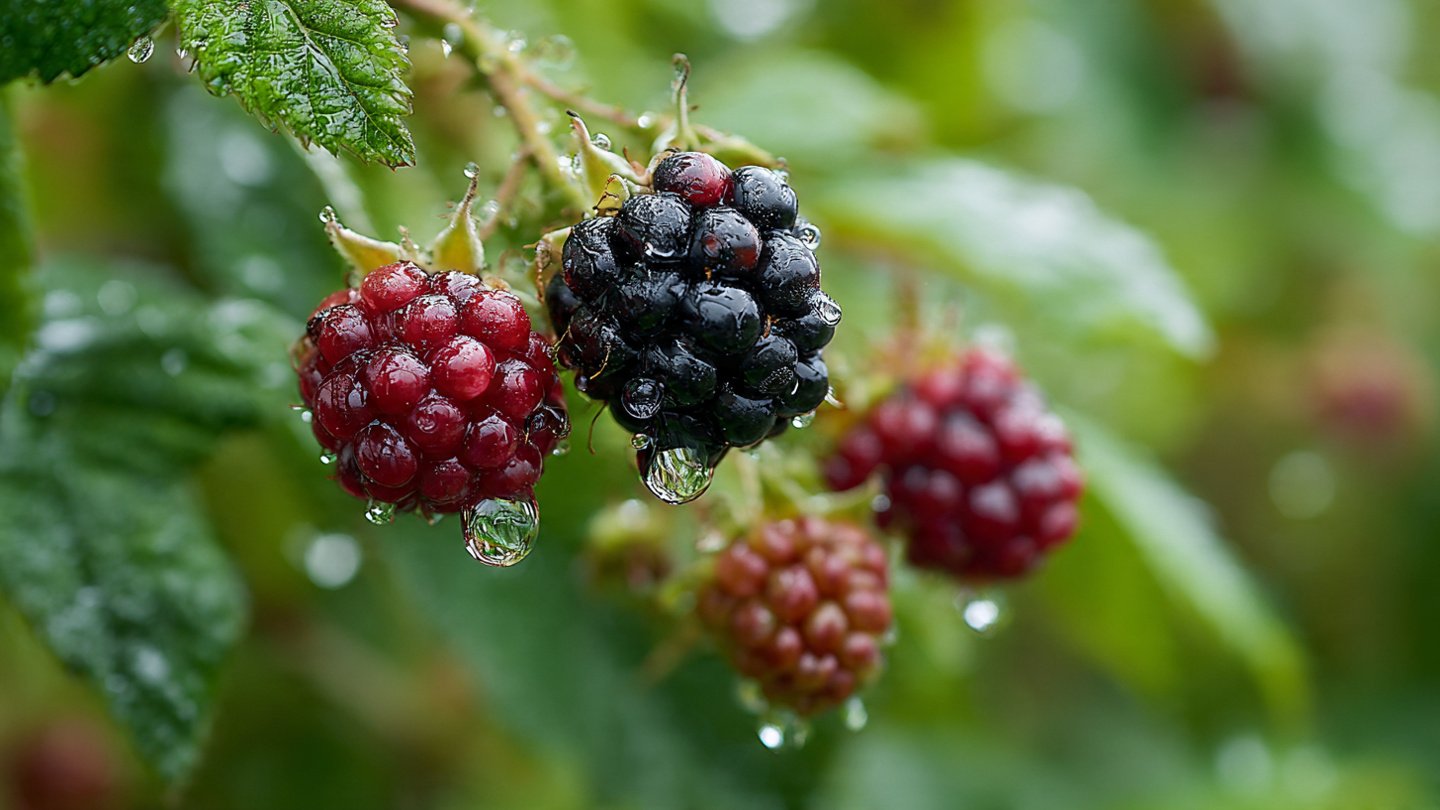
Blackberries, especially thornless varieties, have become increasingly popular among home gardeners in Canada. These succulent fruits are not only delicious but also packed with nutrients. Growing thornless blackberries is a fantastic way to enjoy this fruit without the hassle of thorns that can ruin the picking experience. This article provides a comprehensive guide on how to cultivate thornless blackberries in Canada, covering everything from soil preparation to harvest.
Choosing the Right Thornless Blackberry Variety
When selecting a thornless blackberry variety, consider your climate zone, space, and taste preferences. Some popular thornless varieties suitable for Canadian conditions include:
-
Apache: Known for its large berries and high yield, Apache blackberries are hardy and disease-resistant. They thrive in various soil types.
-
Navaho: This variety is perfect for colder climates and provides tart, flavorful berries. Navaho plants are also self-pollinating, making them great for smaller gardens.
-
Triple Crown: These plants are known for their exceptional flavor and long harvest season. They require a little more space but yield abundantly.
Preparing the Soil
Proper soil preparation is crucial for growing healthy thornless blackberries. Here’s how to prepare the soil effectively:
1. Choose a Location
Select a sunny spot that receives at least 6-8 hours of direct sunlight daily. Ensure the area has good air circulation to minimize the risk of diseases.
2. Check Soil pH
Thornless blackberries prefer slightly acidic to neutral soil with a pH level between 5.5 and 7. You can test your soil using a home soil test kit.
3. Amend the Soil
If your soil is clay-heavy or low in nutrients, amend it with organic matter. Compost, well-rotted manure, or peat moss can improve drainage and enhance fertility. Work these amendments into the soil to a depth of 12-15 inches.
4. Tilling
Till the soil to aerate it, breaking up any large clumps and ensuring a loose and workable structure. This helps facilitate root growth for your blackberry plants.
Planting Thornless Blackberries
Once your soil is prepared, it’s time to plant your thornless blackberries.
1. Timing
The best time to plant blackberries in Canada is in early spring after the last frost. Some gardeners also plant in the fall, allowing the roots to establish before facing winter.
2. Spacing
When planting, space your thornless blackberry plants about 3-4 feet apart in rows that are at least 6-8 feet apart. This allows enough room for growth and air circulation.
3. Digging Holes
Dig holes that are about twice as wide as the root ball and as deep, ensuring good drainage.
4. Planting
Place the plant in the hole, ensuring that the crown (the part where the roots meet the stem) is level with the soil surface. Fill in with soil, gently firming it around the base. Water thoroughly after planting to settle the soil.
Establishing a Support System
Thornless blackberry varieties benefit significantly from trellising. Here’s how to create an effective support system:
1. Selecting a Trellis Type
There are various types of trellis systems, including:
- Wire Trellis: Consists of horizontal wires strung between wooden or metal posts.
- Arched Trellis: Provides aesthetic appeal along with support.
- Fan Trellis: Designed for smaller spaces by fanning out the canes.
2. Building the Trellis
For a wire trellis:
- Install sturdy posts 6-8 feet tall at both ends of the planting row.
- Attach 2-3 strands of wire, spaced 2-3 feet apart vertically.
- Secure the wire tightly to prevent sagging.
3. Training the Canes
As the blackberry bushes grow, train the canes to grow along the trellis by gently tying them with soft garden twine. This not only keeps them manageable but also improves air circulation.
Care and Maintenance
Maintaining healthy thornless blackberries requires consistent care throughout the growing season.
1. Watering
Thornless blackberries require consistent moisture, especially during dry spells. Drip irrigation or soaker hoses are ideal to ensure deep watering without wetting the foliage, which can lead to diseases.
2. Fertilization
Apply a balanced fertilizer in early spring as new growth begins. Use an organic fertilizer or a slow-release fertilizer designed for berries. Follow the instructions for the recommended amount to avoid over-fertilization.
3. Mulching
Apply a layer of organic mulch around the base of the plants, which helps retain moisture, suppress weeds, and regulate soil temperature. Straw, wood chips, or shredded leaves work effectively as mulch.
4. Pruning
Pruning is essential for maintaining healthy plants and encouraging fruit production.
- Summer Pruning: After harvesting, prune back spent canes to encourage new growth.
- Winter Pruning: In late winter, remove any dead or weak canes and thin the remaining ones to promote better fruit development and airflow.
Pest and Disease Management
While thornless blackberries are relatively hardy, they can be affected by pests and diseases. Here’s how to manage them:
1. Common Pests
- Spider Mites: These tiny pests can cause leaf damage. Regularly inspect for webs and use insecticidal soap if needed.
- Japanese Beetles: Handpicking or using traps can help control infestations.
2. Diseases
- Crown Gall: Caused by bacteria, this disease affects the plant’s roots. Remove and destroy infected plants.
- Fungal Issues: Blackberries can be susceptible to powdery mildew. Improve air circulation and avoid watering the leaves to minimize risk.
3. Organic Solutions
Use organic pest control methods such as neem oil or insecticidal soap to manage infestations without harming the environment.
Harvesting Thornless Blackberries
One of the most rewarding aspects of growing thornless blackberries is the bountiful harvest. Here’s when and how to harvest:
1. Timing
Blackberries typically ripen in late summer to early fall. Harvest when the berries are plump, dark, and slightly soft to the touch.
2. How to Harvest
Gently twist or pull the berry from the stem. Use a basket lined with a soft cloth to prevent bruising.
3. After Harvesting
Immediately cool down the berries to preserve freshness. They can be stored in the refrigerator for several days, or frozen for longer-term storage.
Conclusion
Cultivating thornless blackberries in Canada is a rewarding experience that promises sweet, juicy rewards. With the right care and attention to detail—from soil preparation to pest management—you can enjoy a bountiful, hassle-free harvest. The joy of picking your own fruit will make every effort worthwhile.
FAQs
1. What are the benefits of growing thornless blackberries?
Thornless blackberries are easier to handle and harvest than thorned varieties, making the process more enjoyable. They are also generally high-yielding and have delicious, sweet fruit.
2. Can thornless blackberries thrive in colder climates?
Yes, several thornless blackberry varieties are suitable for colder climates, such as Apache and Navaho, which can withstand lower temperatures.
3. How should I water my blackberry plants?
Blackberries require consistent moisture. Deep watering is recommended, and using drip irrigation or soaker hoses can minimize leaf wetness and reduce disease risk.
4. What type of fertilizer is best for thornless blackberries?
A balanced fertilizer or one specifically formulated for berry bushes is ideal. Organic options like compost or fish emulsion can also be beneficial.
5. How often should I prune my thornless blackberry plants?
Pruning should occur twice a year: in late winter to remove dead or weak canes and again after the summer harvest to control growth and improve air circulation.
Growing thornless blackberries is a delightful endeavor that provides both enjoyment and nourishment. With the steps outlined in this guide, your journey to a fruitful berry harvest has never been easier. Happy gardening!