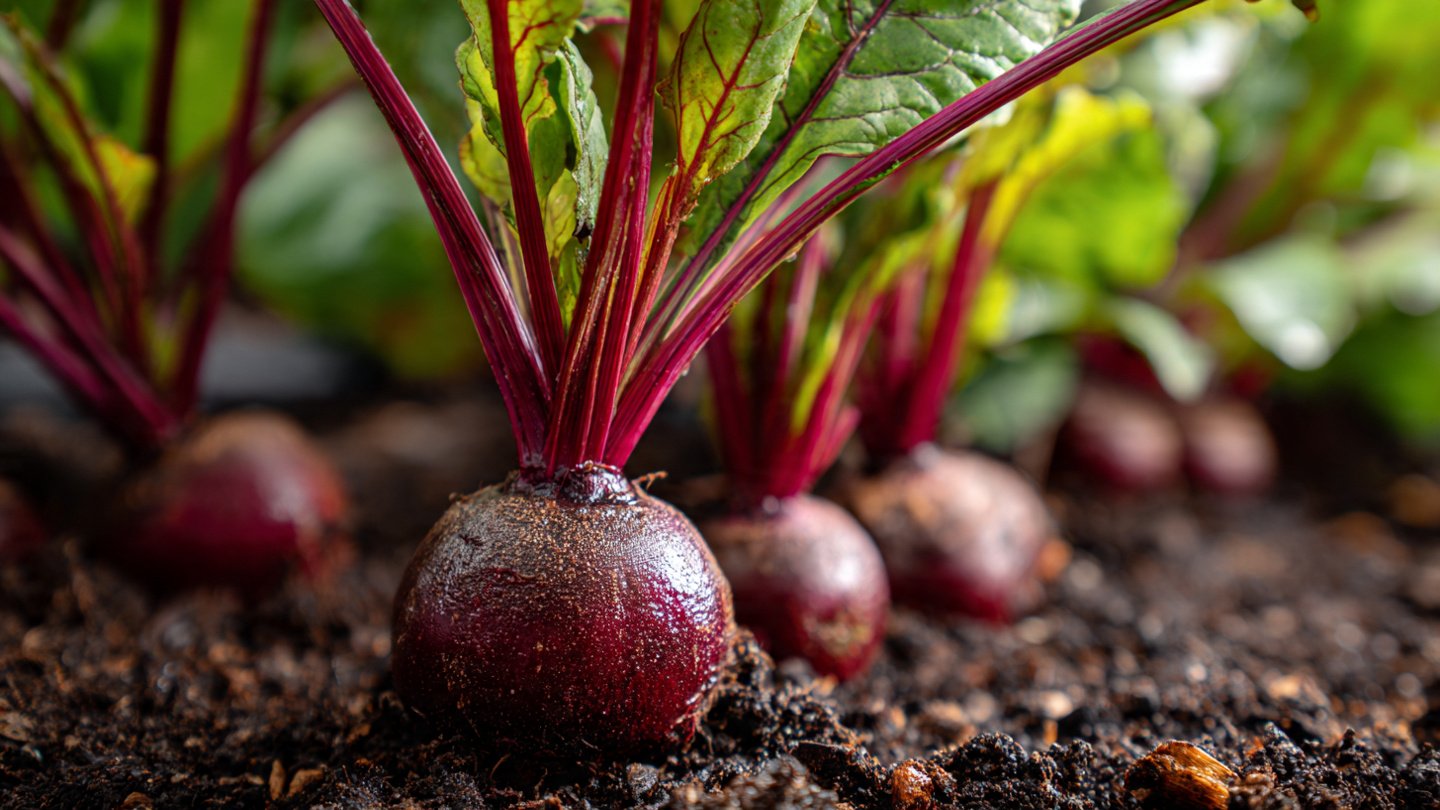
Beetroots, or beets, are not only delicious but also packed with nutrients that can benefit your health. As a beginner gardener, growing beetroots can be a fulfilling experience. While these root vegetables are relatively easy to cultivate, understanding how to speed up their growth can enhance your gardening experience and lead to a successful harvest. In this article, we will explore effective strategies to accelerate beetroot growth, providing a comprehensive guide for novice gardeners.
Understanding Beetroot Growth
Before diving into ways to speed up growth, it’s essential to understand the growth cycle of beetroots. Beetroots are biennial plants, meaning they typically take two years to complete their lifecycle. However, they are harvested within the first year when they attain the desired size.
- Germination: Beet seeds take between 5 to 10 days to germinate. The optimal soil temperature for germination is between 50°F to 86°F (10°C to 30°C).
- Seedling Stage: After germination, the seedlings will develop leaves, known as cotyledons, within a couple of weeks.
- Vegetative Growth: Beetroots will grow rapidly during this phase, especially in favorable conditions. They develop a bulb under the soil while the leaves continue to grow above ground.
- Harvesting: After about 8 to 12 weeks, beetroots are ready for harvest when they reach a diameter of about 1.5 to 2.5 inches (4 to 6 cm).
Understanding this lifecycle can guide your efforts in creating the best environment for fast growth.
Choosing the Right Variety
Begin by selecting the appropriate variety of beetroot. Some varieties grow faster than others. For beginners, consider these options:
- Detroit Dark Red: One of the most common varieties, known for its quick growth and rounded shape.
- Chioggia: These beets have a unique appearance with red and white stripes and grow relatively quickly.
- Early Wonder: As the name suggests, this variety matures early and is suitable for cooler climates.
Opting for quick-growing varieties will enhance your chances of an early harvest.
Best Planting Practices
1. Soil Preparation
Beetroots thrive in well-drained, fertile soil rich in organic matter. Here’s how to prepare your soil:
- Test pH Levels: Beetroots prefer a pH range of 6.0 to 7.0. Soil testing kits are available at gardening stores.
- Amend the Soil: Incorporate compost or well-rotted manure to improve soil structure and fertility.
- Loosen the Soil: Ensure the soil is tilled to a depth of at least 12 inches to allow beet roots to develop freely.
2. Sowing Seeds Indoors
For a head start, consider starting your beet seeds indoors:
- Timing: Start seeds indoors 4 to 6 weeks before the last expected frost date.
- Containers: Use biodegradable pots to prevent root disturbance during transplanting.
- Temperature: Keep the temperature between 65°F to 75°F (18°C to 24°C) for optimal growth.
3. Direct Sowing outdoors
Once the soil temperature reaches at least 50°F (10°C) and all risk of frost has passed, sow seeds in the garden:
- Spacing: Sow seeds about 1 inch apart in rows that are 12 to 18 inches apart.
- Depth: Plant seeds about ½ inch deep.
4. Thinning Seedlings
Once seedlings are 3 to 4 inches tall, thin them out to ensure adequate space for growth. Keep the healthiest plants, spacing them about 3 to 4 inches apart.
Optimal Growing Conditions
1. Sunlight
Beetroots require full sun for at least 6 to 8 hours a day. Choose a planting location that receives ample sunlight.
2. Watering
Consistent moisture is key for rapid growth. Here are some watering tips:
- Frequency: Water the beetroots deeply at least once a week. Increase frequency during hot spells.
- Mulching: Apply organic mulch around the plants to retain soil moisture and suppress weeds.
3. Fertilization
Beetroots benefit from proper fertilization. Here’s how:
- Pre-Planting: Use a balanced fertilizer or one with higher phosphorus content prior to planting.
- Mid-Season: Apply a liquid fertilizer high in potassium and phosphorous every few weeks to support bulb development.
4. Temperature Control
Beetroots prefer cool to moderate temperatures. In extremely hot weather, consider providing partial shade or using shade cloth to protect them from overheating.
Pest and Disease Management
To promote healthy beet growth, manage pests and diseases proactively:
1. Common Pests
- Aphids: Use neem oil or insecticidal soap to control aphid populations.
- Flea Beetles: Create row covers to protect your plants from flea beetles.
2. Diseases
- Downy Mildew: Ensure proper air circulation by not overcrowding plants and avoid overhead watering.
- Fusarium Wilt: Rotate your crops each year to prevent soil-borne diseases.
Companion Planting
Companion planting can also benefit beetroot growth. Consider planting beets alongside the following companions:
- Onions: Help deter pests.
- Lettuce: Provides shade, keeping the soil cooler.
- Garlic: Acts as a natural repellent for various pests.
Harvesting Beetroots
Beetroots are typically ready to harvest when they reach a diameter of 1.5 to 2.5 inches (4 to 6 cm). Here are some tips for harvesting:
- Timing: Harvest early for tender high-quality beets. If you wait too long, they can become woody.
- Pulling: Gently twist the tops and pull straight up to avoid breaking the roots.
- Storage: Remove the greens to extend the storage life, and store them in a cool, dry place.
Troubleshooting Common Issues
Gardening often comes with its set of challenges. Here are common issues and solutions:
- Slow Growth: Assess if the soil is too compact or if water levels need adjustment.
- Poor Flavor: Ensure that the beets have received adequate nutrients and water.
- Bolting: This occurs when plants start flowering prematurely, often due to temperature stress. Keep an eye on temperature and water levels.
FAQs
Q1: How long does it take for beetroots to grow?
Beetroots typically take between 8 to 12 weeks from planting to harvest.
Q2: Can beetroots be grown in containers?
Yes, beetroots can be grown in containers. Ensure the container is at least 12 inches deep for proper root development.
Q3: What are the best conditions for growing beetroots?
Beetroots prefer well-drained soil, full sun, and consistent moisture. The ideal temperature range is between 50°F to 70°F (10°C to 21°C).
Q4: How do I know when beetroots are ready to harvest?
Harvest when beetroots reach a diameter of 1.5 to 2.5 inches (4 to 6 cm) for optimal size and flavor.
Q5: What can I do to speed up beetroot germination?
To speed up germination, ensure the soil temperature is optimal (between 50°F to 86°F), keep the soil consistently moist, and consider soaking seeds for a few hours before planting.
Conclusion
Growing beetroots can be a rewarding and enjoyable endeavor. By following the easy steps outlined in this guide, beginners can effectively speed up beetroot growth, ensuring a bountiful harvest in no time. Remember, patience and attention to detail are key to successful gardening. Happy planting!