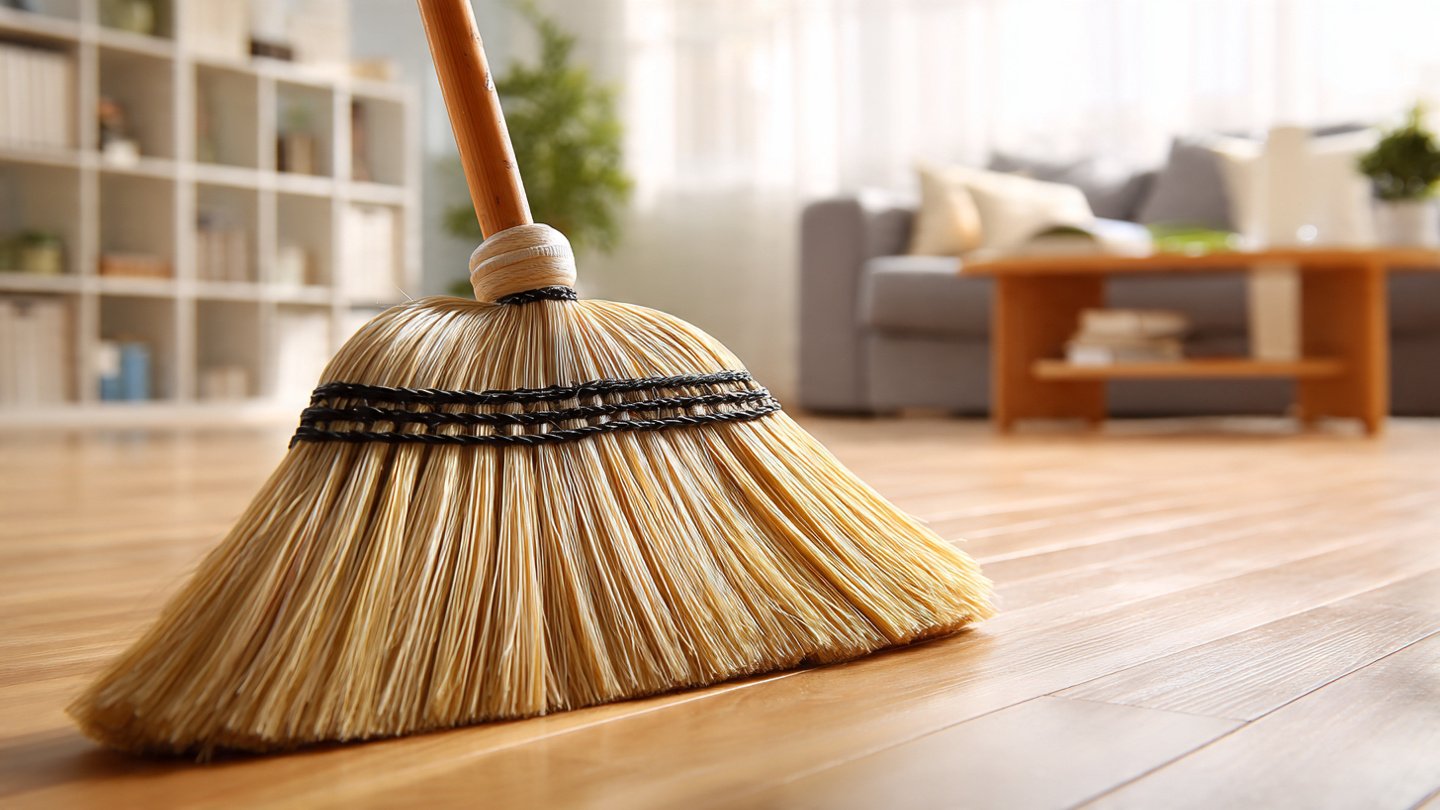
Cleaning is an essential aspect of maintaining a healthy and pleasant living environment. While numerous cleaning tools and technologies exist today, the humble broom remains a staple in many households. Despite its simplicity and the straightforwardness of its use, mastering effective broom techniques can significantly enhance both cleaning reach and efficiency. This article delves into the nuances of broom techniques, discussing the type of brooms available, the principles of effective broom usage, tips for maximizing efficiency, and health considerations.
Understanding the Different Types of Brooms
Before diving into techniques, it is crucial to understand the varieties of brooms available, as different tasks may require different brooms.
1. Straw Brooms
These classic brooms are comprised of dried straw. They are excellent for outdoor use or sweeping up larger debris but can be less effective on fine dust particles.
2. Push Brooms
Characterized by their wide heads and sturdy bristles, push brooms are ideal for larger surface areas, such as garages or patios. They allow for sweeping across a wider area, which can be more efficient in larger spaces.
3. Angled Brooms
With bristles cut at an angle, these brooms are designed to reach corners and tight spaces more effectively than traditional brooms. They are particularly useful for indoor cleaning, where dust tends to accumulate in corners and along walls.
4. Electric Brooms
For those looking for modern solutions, electric or battery-operated brooms can simplify cleaning by providing suction in addition to sweeping. Their convenience can make them more appealing for everyday cleaning tasks.
5. Microfiber Brooms
These specialized brooms come with microfiber heads that capture dust and dirt more effectively than traditional bristles. They can be especially useful for indoor environments and help to trap allergens.
Understanding the type of broom that fits your needs can be the first step toward enhancing your cleaning efficiency.
The Principles of Effective Broom Usage
The effectiveness of sweeping doesn’t just depend on the type of broom; how you use it also plays a significant role. Here are some principles to bear in mind:
1. Proper Grip and Positioning
Holding the broom correctly can make a significant difference. The handle should be gripped at a comfortable height, with your dominant hand further up the handle and your other hand lower. This positioning provides control and leverage, making it easier to apply even pressure and maximize your reach.
2. Sweep with the Natural Angle
When sweeping, it’s essential to use the natural angle of the broom. Most brooms are designed to work best when held at a 45-degree angle. This position allows you to sweep efficiently without straining your back or arms.
3. Use Short, Controlled Strokes
Long, sweeping motions may seem appealing, but they can scatter debris and lead to inefficient cleaning. Instead, use shorter, controlled strokes that focus on moving dirt and debris into a manageable pile.
4. Utilize Body Movement
Instead of relying solely on your arms, engage your whole body in the sweeping motion. Pivoting from your hips can allow you to cover more ground without exerting excess effort.
5. Start from High-traffic Areas
Begin cleaning in areas that receive the most foot traffic or are the dirtiest. This might include entryways, kitchens, and living rooms. By starting in these places, you address the most significant buildup of dirt and debris first, making the rest of the space easier to manage.
6. Work with the Surface
Choose your technique based on the surface you’re cleaning. For rough surfaces, a push broom may be more effective, while a softer broom may be better suited for delicate flooring such as hardwood.
Tips for Maximizing Broom Efficiency
To enhance your broom efficiency even further, consider these additional tips:
1. Regular Maintenance of the Broom
A clean broom is more effective. Regularly check and clean the bristles to remove clumps of dirt or debris. If using a straw broom, shake it out; for more advanced types like microfiber brooms, washing the head according to manufacturer instructions will maintain its effectiveness.
2. Strategic Piling of Debris
When sweeping, aim to pile debris in a strategic location. Eventually, you will want to collect it into a dustpan, so try to sweep towards that area. This practice minimizes extra motion and helps streamline the cleaning process.
3. Use a Dustpan with a Flexibility Feature
Some dustpans come with flexible edges designed to capture more debris. Using a dustpan that can easily conform to the surface you’re sweeping can maximize your collection efficiency.
4. Utilize a Vacuum Post Sweeping
After sweeping, using a vacuum can help remove finer particles that are often left behind. This combination ensures a thorough clean, especially in high-traffic areas.
5. Incorporate a Cleaning Schedule
Incorporating a regular cleaning schedule can prevent excessive buildup, making the sweeping task easier and more efficient over time. Setting reminders for bi-weekly or monthly deep cleaning sessions helps maintain a tidy environment.
6. Train Others in Proper Techniques
If cleaning is a shared responsibility, ensure that everyone involved understands effective broom techniques. Conducting brief training sessions on optimal sweeping practices can improve efficiency across the board.
Health Considerations
While sweeping is often viewed as a low-impact form of exercise, there are potential health considerations to keep in mind.
1. Avoid Back Strain
To prevent back strain, it’s crucial to maintain correct posture while sweeping. Bend your knees and keep your back straight to avoid unnecessary strain. Utilizing an angled broom can also help reduce bending.
2. Be Mindful of Allergens
Dust particles and allergens may be stirred up during sweeping. If you are sensitive to allergens, wearing a mask, or using a broom with microfiber, which traps particles more effectively, might be beneficial.
3. Stay Hydrated
Cleaning can be taxing, especially in warmer conditions. Keeping hydrated before and during cleaning can help you perform more efficiently and without fatigue.
4. Recognize Fatigue
If sweeping for extended periods leads to fatigue, ensure to take breaks. Overexertion can lead to injuries and reduced cleaning efficacy.
Conclusion
Mastering the art of effective broom techniques can significantly enhance your cleaning reach and efficiency. By understanding the types of brooms available, adhering to principles of effective usage, maximizing technique efficiency, and considering health implications, anyone can elevate their cleaning game.
Whether you are maintaining a spotless home or ensuring a tidy workspace, these broom techniques can streamline your efforts while ensuring a cleaner, healthier environment. Adopting these practices not only makes the cleaning process more effective but also transforms it into a more enjoyable and less burdensome task. So grab your broom, apply these techniques, and embrace the satisfaction of a thoroughly cleaned space.