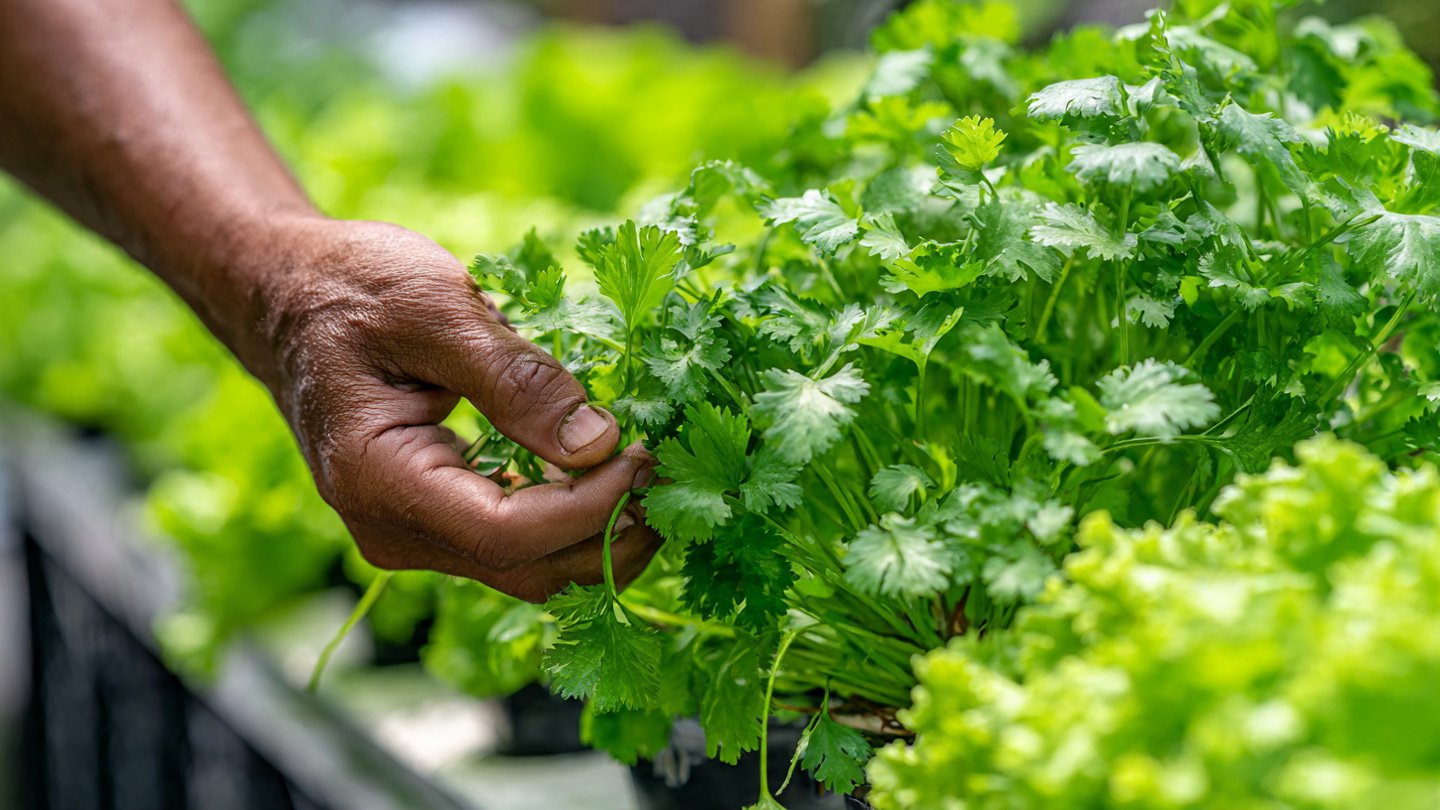
In recent years, hydroponics has gained immense popularity as a cutting-edge gardening technique that allows individuals to grow plants without the need for soil. For home gardeners and culinary enthusiasts alike, hydroponic cultivation offers several advantages, particularly when it comes to growing herbs like coriander (Coriandrum sativum). This article will delve into the benefits of hydroponic cultivation for growing fresh coriander at home, discuss the different methods of hydroponics, and answer some frequently asked questions about this innovative gardening technique.
What is Hydroponics?
Hydroponics is a method of growing plants in nutrient-rich water rather than in soil. This approach provides plants with a direct supply of the essential nutrients they need for growth, allowing for faster and often healthier growth. Hydroponics can be employed in various settings—ranging from commercial farms to home gardens—and is particularly effective for growing herbs and leafy greens, which thrive in these environments.
Benefits of Hydroponic Cultivation
-
Faster Growth Rates
Hydroponic systems deliver nutrients directly to the plant roots, enabling coriander plants to absorb what they need without the constraints of soil. As a result, hydroponically grown coriander has usually been documented to grow faster than soil-grown coriander. In optimal conditions, coriander can be ready for harvest within 3 to 4 weeks from planting. -
Space Efficiency
Hydroponics allows for vertical gardening and more efficient use of space, making it ideal for urban dwellers with limited gardening areas. You can grow multiple coriander plants in a compact area, optimizing your indoor or outdoor environment, and maximizing your yield. -
Controlled Environment
Hydroponic cultivation provides you the ability to control various growing conditions such as nutrient levels, pH, temperature, and light. This control ensures that coriander plants experience optimal growth conditions, leading to healthier plants and better flavors. -
Reduced Pesticide Use
Hydroponic systems reduce the risk of soil-borne pests and diseases, limiting the need for chemical pesticides. Home gardeners can grow coriander with a much-lower risk of encountering insect infestations or diseases, leading to a more natural and organic gardening experience. -
Water Efficiency
Hydroponic systems use significantly less water than traditional soil gardening. The closed-loop systems often recycle water, minimizing waste. This feature is particularly beneficial in areas where water is scarce, allowing you to grow fresh herbs sustainably. -
Freshness and Flavor
One of the biggest draws of hydroponically grown coriander is its freshness. Unlike store-bought coriander, which may have been harvested weeks earlier, hydroponic coriander can be harvested at its peak, delivering fresher and more flavorful leaves right to your kitchen. -
All-Year-Round Growing
Hydroponic systems are not bound by seasonal changes. With the right setup—such as indoor LED grow lights—home gardeners can cultivate coriander year-round, ensuring they have a fresh supply for culinary uses no matter the season. -
Easy Maintenance
Hydroponic systems can often be easier to maintain than traditional soil gardens. With less weeding and fewer pest issues, hydroponics allows you to focus more on nurturing your plants rather than battling nature.
Methods of Hydroponics for Growing Coriander
When it comes to growing coriander hydroponically, there are several systems you can choose from:
-
Nutrient Film Technique (NFT)
NFT involves a thin film of nutrient-rich water flowing over the roots of the coriander plants. This method ensures that the roots are always in contact with the nutrient solution, promoting quick growth. NFT is space-efficient and well-suited for growing smaller plants like coriander. -
Deep Water Culture (DWC)
In this system, plant roots are suspended in a nutrient-rich oxygenated water solution. The plants are typically placed in net pots with their roots submerged. DWC is straightforward and can yield fast growth rates, making it a solid choice for coriander cultivation. -
Aeroponics
Aeroponics is an advanced method that involves misting the plants’ roots with nutrient solution. This technique provides excellent oxygenation and nutrient delivery, accelerating growth rates. Aeroponics often requires more technical knowledge, but it can yield high-quality plants. -
Ebb and Flow (Flood and Drain)
This system periodically floods plant roots with nutrient solution before draining it back into a reservoir. Ebb and flow systems allow for good aeration and prevent root rot. This method is effective for beginners new to hydroponics. -
Wicking Systems
Wicking systems use a wick to draw nutrient solution up from a reservoir to the plant roots. This is a passive hydroponic method that is easy to set up and maintain and is suitable for growing herbs like coriander.
Step-by-Step Guide to Growing Coriander Hydroponically
-
Gather Your Supplies
You will need a hydroponic system (like DWC or NFT), growth medium (such as rock wool or coconut coir), seeds, a nutrient solution, and a light source if growing indoors. -
Prepare the Seeds
Soak your coriander seeds in water for 24 hours and then plant them in your chosen growth medium. -
Set Up the Hydroponic System
Prepare your hydroponic system according to its design. Ensure that the nutrient solution is mixed according to the package instructions and that the pH is balanced (ideally around 6.0 to 6.5 for coriander). -
Plant Your Seeds
Place the seeds in the growth medium and ensure they have enough moisture to germinate. Make sure the roots are presented well to the nutrient solution. -
Provide Adequate Lighting
If growing indoors, set up grow lights that provide around 12-16 hours of light per day. If outdoors, ensure the coriander gets plenty of sunlight. -
Monitor Nutrient Levels and pH
Regularly check and maintain the nutrient solution levels, ensuring that they are rich in nitrogen, phosphorus, and potassium. Adjust the pH as needed. -
Care for Your Plants
Keep an eye on your coriander plants, watching for pests or nutrient deficiencies. Harvest your crop consistently to promote further growth. -
Harvesting
After 3 to 4 weeks, your coriander should be ready to harvest. Cut the leaves as needed, but leave enough for the plant to continue growing.
FAQs about Hydroponic Coriander Cultivation
1. Can I grow coriander hydroponically outdoors?
Yes, you can grow hydroponic coriander outdoors, but you’ll need to provide some protection from extreme weather conditions—like intense heat or cold.
2. How often should I change the nutrient solution?
It is advisable to change the nutrient solution every two weeks to ensure that the plants have access to fresh nutrients.
3. What is the best pH level for growing hydroponic coriander?
Coriander typically prefers a pH level between 6.0 and 6.5 for optimal nutrient uptake.
4. Can I use any seeds for hydroponic cultivation?
Most herb seeds can be adapted for hydroponic cultivation, but it’s advisable to use high-quality seeds specifically intended for hydroponic farming to guarantee the best outcome.
5. What nutrients should I use for hydroponic coriander?
Look for a nutrient solution that contains balanced proportions of nitrogen, phosphorus, and potassium, along with micronutrients essential for the growth of herbs.
6. Is hydroponic cilantro the same as hydroponic coriander?
Yes, cilantro and coriander refer to the same plant in different stages. The leaves and stems are referred to as cilantro, while the seeds are known as coriander.
7. What common pests should I watch for in hydroponic systems?
While hydroponics reduces soil-borne pests, you should still be vigilant for pests like aphids and whiteflies, which can be managed with organic pest control methods.
Conclusion
Hydroponic cultivation offers a promising and efficient way to grow fresh coriander right in your home. Not only does it provide quicker growth and space efficiency, but it also ensures that you enjoy a constant supply of flavorful herbs year-round. With continuous advancements in hydroponic technology, the process of growing coriander and other plants has never been more accessible. Taking advantage of this innovative gardening style can enrich your culinary experience while contributing to a sustainable lifestyle. Happy gardening!