Indoor plants are not only a great way to enhance the visual appeal of your living space but they also contribute to improved air quality and mental well-being. Among the popular choices for indoor gardening, the Peace Lily (Spathiphyllum) stands out for its elegant form and easy care requirements. With various varieties available, each with distinct characteristics, only a few can rival its combination of beauty, utility, and adaptability. In this guide, we’ll dive deep into the diverse varieties of Peace Lilies, their care requirements, aesthetic appeal, and some frequently asked questions to enrich your understanding of these lovely plants.
1. The Basics of Peace Lilies
1.1 What is a Peace Lily?
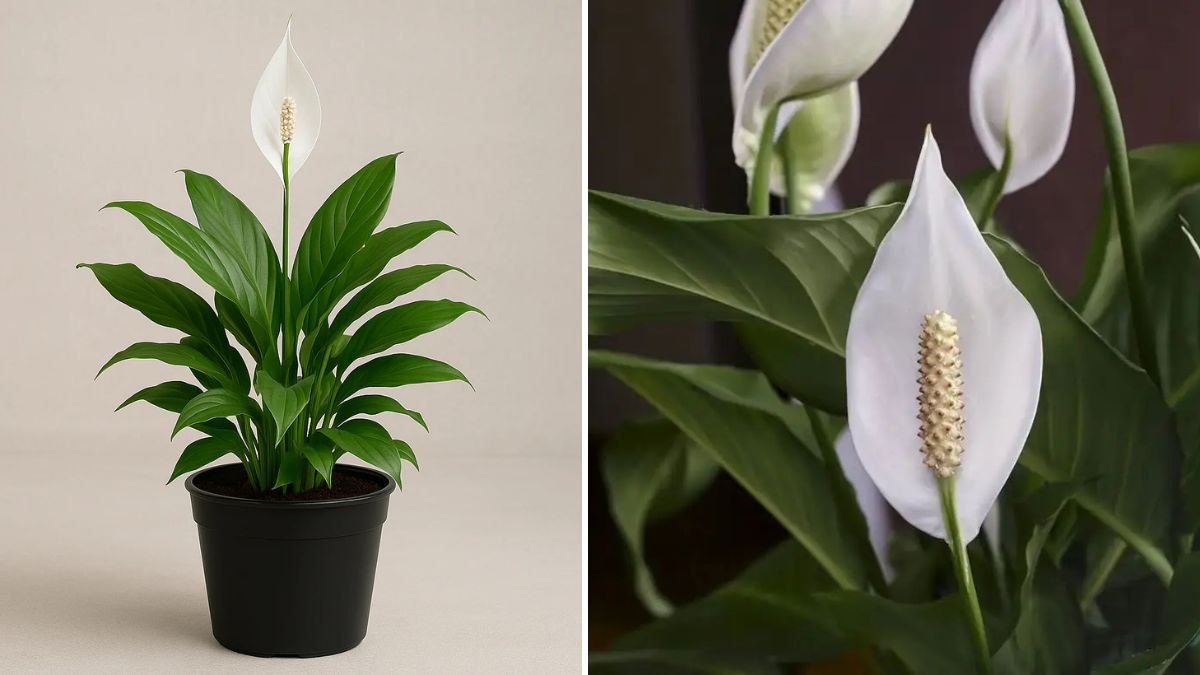
The Peace Lily is a perennial plant that belongs to the Araceae family. Native to tropical regions of the Americas and southeastern Asia, these plants thrive in shaded environments and are characterized by their glossy green leaves and white flowers, which are not true flowers but modified leaves called spathes.
1.2 General Care Instructions
Peace Lilies are relatively easy to care for, making them a great choice for both novice and experienced gardeners. They require indirect sunlight, moderate watering, and a well-draining potting mix. The ideal temperature for Peace Lilies ranges from 65°F to 85°F (18°C to 29°C).
2. Varieties of Peace Lilies
While there are many types of Peace Lilies, a few specific varieties stand out for their unique features and suitability for indoor gardening. Let’s explore some of the most popular varieties.
2.1 Peace Lily ‘Mauna Loa’
The ‘Mauna Loa’ is one of the most well-known varieties, revered for its impressive size and striking appearance. This variety can grow up to 4 feet tall, making it an excellent statement plant for larger spaces. The glossy dark green leaves are broad and lush, providing a beautiful backdrop for its white flowers, which bloom prolifically throughout the year.
Care Tips:
- Lighting: Prefers moderate to bright indirect light.
- Watering: Water when the top inch of soil feels dry to the touch.
2.2 Peace Lily ‘Domino’
The ‘Domino’ Peace Lily offers a stunning aesthetic with its unique variegated leaves. These leaves feature a rich green base with creamy white spots, providing a lively contrast that can brighten any room. It is slightly smaller than the ‘Mauna Loa,’ typically reaching around 2-3 feet tall, making it a great choice for smaller spaces.
Care Tips:
- Lighting: Thrives in low to moderate light.
- Watering: Keep soil consistently moist but not soggy.
2.3 Peace Lily ‘Sensation’
Known for its impressive size and grandeur, the ‘Sensation’ variety can grow up to 6 feet tall. Its leaves are larger than the classic Peace Lily, making it an architectural centerpiece in any room. The minimally produced white blooms appear on tall stalks, rising above the leaves.
Care Tips:
- Lighting: Prefers bright, indirect light.
- Watering: Ensure it doesn’t dry out completely, but avoid overwatering.
2.4 Peace Lily ‘Cassandra’
The ‘Cassandra’ variety is known for its compact size and vibrant white blooms, making it ideal for tabletop gardening. At around 1-2 feet tall, it can adapt well to various indoor settings. The lush dark green foliage contrasts beautifully with the pristine white flowers.
Care Tips:
- Lighting: Enjoys low to bright indirect light.
- Watering: Water when the soil feels dry but reduce during its dormant period.
2.5 Peace Lily ‘Buttercup’
As its name suggests, the ‘Buttercup’ features bright, creamy-yellow flowers rather than the classic white blooms. It is an exotic variation that can add a unique touch to your indoor garden. Although its foliage is similarly dark green and glossy, the yellow spathes bring an unexpected burst of color.
Care Tips:
- Lighting: Thrives best in moderate indirect light.
- Watering: Allow the top inch of soil to dry out before watering.
2.6 Peace Lily ‘Joy’
The ‘Joy’ Peace Lily is a smaller variant, typically reaching about 1 foot in height. It’s famous for producing multiple blooms that appear in clusters, creating a dramatic effect even in limited spaces. This variety is ideal for small apartments or desks.
Care Tips:
- Lighting: Prefers low light but can tolerate brighter conditions.
- Watering: Water when topsoil is dry; be cautious not to overwater.
3. Benefits of Growing Peace Lilies
3.1 Aesthetic Appeal
The beautiful foliage and elegant white flowers of Peace Lilies can enhance the decor of any room. Their versatile sizes and leaf patterns provide ample options for various indoor designs.
3.2 Air Purification
Peace Lilies are renowned for their air-purifying properties. They can absorb harmful pollutants like formaldehyde, benzene, and carbon monoxide, making the air quality in your home healthier.
3.3 Humidity Regulation
Peace Lilies contribute to increased indoor humidity by releasing moisture through transpiration. This is particularly beneficial during dry seasons when indoor air can become desiccated.
3.4 Low Maintenance
Peace Lilies are generally low-maintenance plants. They are forgiving if you occasionally forget to water them, making them suitable for those with busy lifestyles.
4. How to Propagate Peace Lilies
Propagation can be done easily through division. Here’s how:
- Choose the Right Time: Early spring is the best time for propagation, as the plant will be in its active growth phase.
- Remove the Plant from Its Pot: Gently remove the Peace Lily from its pot, taking care not to damage the roots.
- Divide the Roots: Identify natural sections in the root ball and carefully separate them with clean, sharp scissors or your hands. Each section should have roots and at least one leaf.
- Replant: Plant the divided sections in fresh potting mix, ensuring they are firmly rooted. Water them well and place them in a spot with indirect sunlight.
5. Common Pests and Problems
Peace Lilies, while generally hardy, can face some common problems:
5.1 Yellowing Leaves
This can indicate overwatering or too much direct sunlight. Adjust your watering habits and avoid placing your plant in bright sunlight.
5.2 Flowers Dropping
A stressed plant may drop its flowers. This can be caused by fluctuations in temperature, either too warm or too cold.
5.3 Pest Infestation
Scale insects and spider mites are common pests. Treat infestations by wiping leaves with insecticidal soap or neem oil.
6. Frequently Asked Questions (FAQs)
6.1 How Often Should I Water My Peace Lily?
Water your Peace Lily when the top inch of the soil feels dry. Generally, this means watering every 1-2 weeks, depending on humidity and temperature.
6.2 Is the Peace Lily Toxic to Pets?
Yes, Peace Lilies are mildly toxic to cats and dogs. If ingested, they can cause irritation in the mouth and throat. It’s best to keep them out of reach of pets.
6.3 What are the Ideal Light Conditions for Peace Lilies?
Peace Lilies thrive in bright, indirect light but can also tolerate low light. Avoid placing them in direct sunlight as it can scorch the leaves.
6.4 Do Peace Lilies Need Fertilizer?
Peace Lilies benefit from general-purpose indoor plant fertilizer during the growing season (spring and summer). Use a balanced fertilizer every 6-8 weeks.
6.5 How Long Do Peace Lilies Live?
With proper care, Peace Lilies can live for several years, sometimes even over a decade.
6.6 How Can I Encourage More Blooms?
To encourage more blooms, provide adequate light and avoid over-fertilizing. Remove spent flowers to promote new growth.
Conclusion
With their diverse varieties, stunning aesthetics, and invaluable benefits, Peace Lilies are an excellent addition to any indoor garden. Whether you choose the large and lush ‘Mauna Loa’ or the compact ‘Joy,’ you’ll benefit from their air-purifying properties and visual appeal. Their low-maintenance needs make them perfect for anyone, regardless of gardening experience. So, why not welcome a Peace Lily or two into your home? Happy gardening!