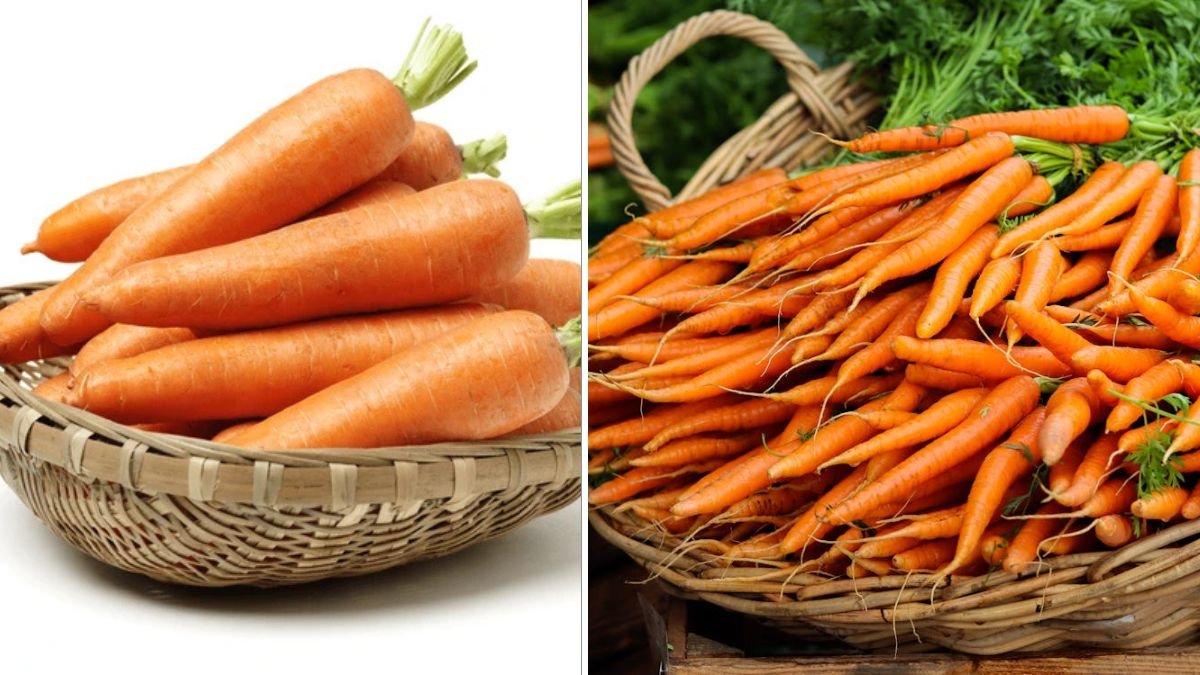
Carrots are often considered difficult to grow, but using an old plastic basket makes it surprisingly easy. Baskets provide excellent drainage, air pruning, and root space. This method produces straight, clean carrots without digging. It’s perfect for balconies, terraces, and small gardens. Reusing baskets reduces waste and gardening costs. With the right soil and technique, anyone can grow beautiful carrots at home.
Why Plastic Baskets Are Ideal for Carrots
Carrots need loose soil and good drainage. Plastic baskets provide both. Airflow prevents waterlogging and rot. Roots grow straight without obstruction. Harvesting is effortless. Baskets eliminate compacted soil problems common in ground gardens.
Choosing the Right Basket
Use deep baskets with small holes. Minimum depth should be 10–12 inches. Strong baskets support soil weight. Line with cloth if holes are large. Avoid shallow or cracked baskets.
Best Carrot Varieties for Baskets
Short and medium varieties work best. Long carrots need deeper baskets. Choose fast-growing types for containers.
Recommended Varieties
| Carrot Type | Length | Suitability |
|---|---|---|
| Nantes | Medium | Excellent |
| Chantenay | Short | Perfect |
| Baby carrots | Short | Ideal |
Preparing the Perfect Carrot Soil
Loose, stone-free soil is essential. Never use heavy clay. Compost improves nutrients. Sand ensures straight root growth.
Ideal Soil Mix
| Component | Role |
|---|---|
| Garden soil | Structure |
| Sand | Root straightness |
| Compost | Nutrition |
Sowing Carrot Seeds Correctly
Sow seeds directly. Do not transplant carrots. Spread seeds thinly. Cover lightly with soil. Water gently. Germination takes patience. Keep soil consistently moist.
Spacing for Straight Roots
Overcrowding causes twisted carrots. Thin seedlings early. Maintain space between plants. Good spacing equals straight carrots.
Watering Without Splitting
Water evenly and deeply. Avoid dry-wet cycles. Inconsistent watering causes cracking. Mulch helps retain moisture.
Sunlight Requirements
Carrots need 5–6 hours of sunlight. Too much heat affects sweetness. Partial shade works in hot climates.
Fertilizing Carrots Naturally
Avoid high nitrogen. It causes leafy growth instead of roots. Use compost only. Light feeding is enough.
Weed Control in Baskets
Baskets reduce weeds naturally. Remove weeds early. Mulching prevents competition. Clean soil means clean carrots.
Pest Prevention
Carrot flies and aphids are common. Cover baskets with netting. Neem spray helps. Healthy soil reduces pest attacks.
Root Development Stage Care
Do not disturb soil once roots form. Keep moisture consistent. Avoid digging around plants.
Thinning Without Damage
Thin gently by cutting excess seedlings at soil level. Pulling disturbs roots. Proper thinning improves size.
How Long Until Harvest
Carrots mature in 60–80 days. Baby carrots can be harvested earlier. Check shoulder size before pulling.
Harvesting Made Easy
Lift basket and gently shake soil. Pull carrots easily. No digging required. Clean and damage-free harvest.
Benefits of Basket-Grown Carrots
Straight roots. Clean harvest. No soil compaction. Easy mobility. Perfect for balconies.
Reusing Soil for Next Crop
Remove old roots. Refresh compost. Reuse basket again. Sustainable and cost-effective.
Common Mistakes to Avoid
Heavy soil. Overwatering. Overcrowding. Late thinning. Avoiding these ensures success.
Why This Method Works So Well
Airflow, drainage, and loose soil create ideal carrot conditions. Simple materials deliver excellent results.
Environmental Impact
Recycling baskets reduces waste. No chemicals needed. Less water usage. Sustainable food production.
Conclusion
Growing carrots in old plastic baskets is one of the easiest and cleanest methods available. With proper soil, spacing, and care, you can harvest straight, sweet carrots even in small spaces. This method proves that smart gardening beats hard gardening every time.