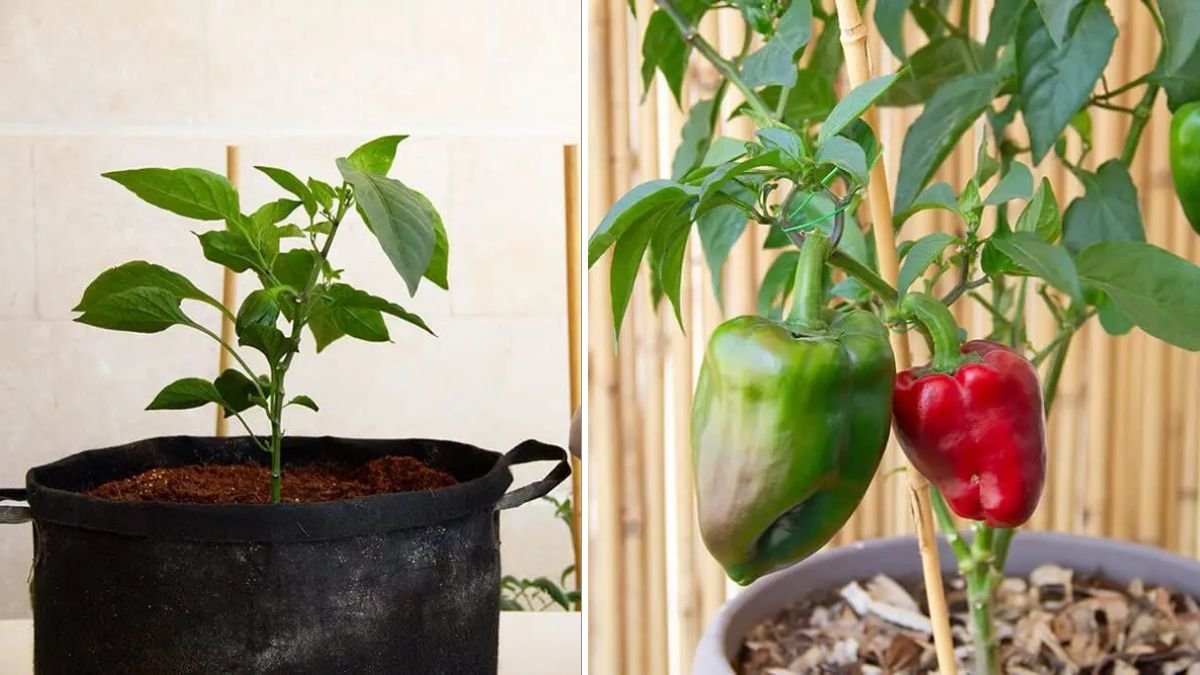
1. Introduction to Balcony Bell Pepper Gardening
Bell peppers are one of the most colorful and nutritious vegetables you can grow at home. They thrive exceptionally well in containers, making them perfect for balconies and terraces. With the right care, bell peppers produce continuously throughout summer. Balcony gardening allows you to control soil, sunlight, and watering precisely. Home-grown peppers taste sweeter and fresher than store-bought ones. Even beginners can succeed with basic planning. Container peppers stay cleaner and suffer fewer pests. Limited space is no longer a barrier to growing food. Bell peppers also add beauty to balconies. This guide covers everything from planting to harvest.
2. Why Bell Peppers Are Ideal for Balcony Gardens
Bell peppers have compact root systems that adapt well to pots. They do not require deep ground soil. Their upright growth habit saves space. Peppers respond well to container feeding. Balcony environments provide good airflow. Potted plants can be moved to capture sunlight. Pest control becomes easier in containers. Growth is faster with proper care. Colorful fruits enhance visual appeal. These qualities make bell peppers balcony-friendly.
3. Choosing the Right Bell Pepper Varieties
Compact and hybrid varieties are best for containers. Sweet bell peppers grow well in pots. Choose disease-resistant seeds for reliability. Early-maturing varieties give quicker harvests. Red, yellow, and orange peppers thrive equally well. Avoid very tall varieties for small balconies. Local climate-adapted seeds perform better. Quality seeds ensure uniform fruits. Variety choice affects yield and taste. Proper selection guarantees success.
4. Selecting Suitable Containers
Containers should be at least 12–14 inches deep. Wider containers support stronger root systems. Plastic pots are lightweight and affordable. Ensure proper drainage holes. Light-colored containers reduce heat stress. Clean containers prevent disease. One plant per pot is ideal. Raised containers improve airflow. Stable containers prevent tipping. Correct container choice improves productivity.
5. Preparing the Perfect Soil Mix
Bell peppers prefer loose, fertile soil. Mix garden soil, compost, and cocopeat evenly. Vermicompost boosts nutrient availability. Sand improves drainage. Avoid heavy clay soil. Soil must retain moisture without becoming soggy. Healthy soil supports flowering. Nutrient-rich soil improves fruit size. Proper preparation prevents root stress. Soil quality determines yield.
6. Planting Bell Pepper Seedlings
Transplant seedlings gently to avoid root damage. Plant slightly deeper for strong stems. Water immediately after planting. Provide partial shade for a few days. Space plants properly for airflow. Avoid planting during extreme heat. Healthy starts improve survival. Strong roots encourage early flowering. Proper planting reduces transplant shock. Early care shapes plant growth.
7. Sunlight Requirements
Bell peppers need six to eight hours of sunlight daily. Morning sunlight is ideal. Insufficient light reduces fruiting. Place pots in bright balcony spots. Rotate containers weekly. Avoid shaded corners. Sunlight enhances sweetness and color. Strong light strengthens stems. Consistent exposure ensures steady growth. Light management is crucial.
8. Watering Techniques
Peppers prefer consistent moisture. Water deeply but avoid waterlogging. Morning watering is best. Containers dry faster in summer. Mulching helps retain moisture. Irregular watering causes flower drop. Good drainage prevents root rot. Balanced moisture improves fruit quality. Daily watering may be needed in heat. Proper watering boosts yield.
9. Fertilizing for Heavy Fruiting
Bell peppers are moderate feeders. Use compost tea every two weeks. Banana peel water adds potassium. Avoid excess nitrogen. Balanced feeding promotes flowering. Organic fertilizers improve soil health. Regular feeding increases fruit size. Nutrients support continuous harvest. Healthy plants resist stress. Fertilization affects productivity.
10. Supporting Pepper Plants
As plants grow, support becomes important. Use stakes or small cages. Support prevents bending under fruit weight. Upright plants get better sunlight. Ties should be loose. Support improves airflow. Reduced stress improves yield. Supported plants last longer. Stability prevents breakage. Support ensures healthy growth.
11. Pruning for Better Yield
Light pruning improves airflow. Remove damaged or yellow leaves. Avoid excessive pruning. Controlled growth redirects energy to fruits. Pruning improves sunlight penetration. Healthier plants flower more. Pruning reduces disease risk. Balanced trimming improves productivity. Clean tools prevent infection. Smart pruning boosts harvest.
12. Pollination Tips
Bell peppers are self-pollinating. Gentle shaking helps pollen spread. Morning hours are best. Balcony gardens may need assistance. Proper pollination prevents flower drop. Pollinated flowers form stronger fruits. Hand assistance improves yield. Simple actions increase productivity. Healthy flowers ensure success. Pollination supports consistent harvest.
13. Pest and Disease Management
Aphids and mites are common pests. Neem oil controls infestations safely. Remove affected leaves early. Good airflow prevents fungal issues. Avoid wet leaves at night. Healthy soil boosts immunity. Regular inspection is essential. Organic care keeps peppers edible. Prevention works best. Clean plants stay productive.
14. Mulching Benefits
Mulch conserves soil moisture. It regulates temperature. Organic mulch improves soil quality. Fruits remain clean. Less watering is required. Mulch reduces weeds. Roots stay protected from heat. Mulching supports healthy growth. Simple materials work well. Mulching increases yield.
15. Harvesting Bell Peppers
Harvest peppers when firm and glossy. Green peppers mature earlier. Colored peppers are sweeter. Use scissors to cut stems. Frequent harvesting encourages more fruits. Morning harvest preserves freshness. Avoid pulling fruits. Proper timing improves taste. Regular harvesting increases yield. Careful harvesting protects plants.
16. Storage and Use
Fresh peppers store best in cool places. Avoid washing before storage. Use within a few days. Extra peppers can be frozen. Home-grown peppers taste richer. Storage prevents waste. Proper handling preserves nutrients. Fresh use improves meals. Harvest timing affects storage life. Good storage maximizes benefits.
17. Common Mistakes to Avoid
Overwatering is a common issue. Poor drainage causes root rot. Insufficient sunlight limits yield. Overfeeding delays fruiting. Ignoring pests causes damage. Crowded plants grow poorly. Late harvesting reduces quality. Wrong container size limits growth. Avoiding mistakes improves results. Awareness ensures success.
18. Seasonal Care Tips
Summer heat requires frequent watering. Provide light shade during extreme heat. Increase potassium feeding during flowering. Monitor pests regularly. Adjust care as weather changes. Seasonal awareness improves yield. Plants respond better to timely care. Flexibility ensures success. Seasonal planning supports productivity. Smart care boosts harvest.
19. Table: Balcony Bell Pepper Growing Guide
| Factor | Recommended Practice |
|---|---|
| Container size | 12–14 inches |
| Soil mix | Soil, compost, cocopeat |
| Sunlight | 6–8 hours |
| Watering | Regular, deep |
| Fertilizer | Organic, bi-weekly |
20. Why Balcony Bell Pepper Gardening Works
Containers offer complete control. Soil quality stays high. Sunlight is optimized. Pest pressure is reduced. Plants grow stress-free. Regular feeding maintains energy. Harvests are predictable. Balcony gardening maximizes small spaces. Even beginners succeed easily. Results are delicious and rewarding.