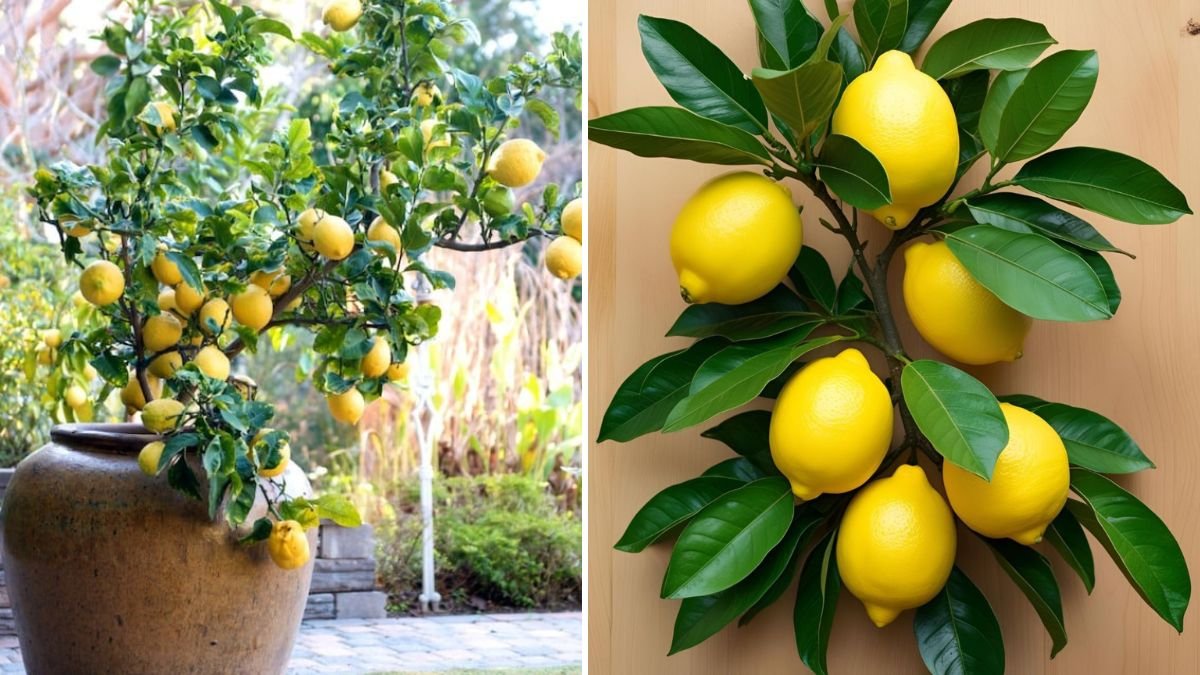
Lemon trees are among the most rewarding fruit trees to grow at home. Their evergreen foliage, fragrant blossoms, and continuous fruiting make them a favourite for gardeners. While many people start lemon trees from seeds, experts agree that growing lemon trees from cuttings is one of the most effective and fastest ways to get a tree that produces fruit earlier—and with predictable quality.
If you’ve ever wanted a thriving lemon tree that mirrors the characteristics of the parent plant, growing from cuttings is the method you’ll love. In this detailed guide, you’ll learn why cuttings work so well, how to select the best stems, the rooting process, soil mix preparation, and long-term care. By the end, you will be fully equipped to grow a healthy, high-yielding lemon tree right in your garden or container.
Why Grow Lemon Trees from Cuttings?
Growing lemon trees from cuttings offers several advantages:
1. Faster Growth and Early Fruit Production
Unlike seeds, which take 3–7 years to bear fruit, cuttings grow faster because they are already genetically mature. Many cutting-grown lemon trees start fruiting within 1–2 years.
2. True-to-Parent Characteristics
Seed-grown lemons often vary genetically, leading to unpredictable flavour, size, and growth patterns. Cuttings guarantee you get the exact clone of your favourite lemon variety.
3. Higher Success Rate
With proper technique, lemon cuttings root easily. This makes it ideal even for beginners.
4. Cost-Effective
You only need one healthy branch to produce multiple new trees—absolutely free.
Step-by-Step Guide: How to Grow Lemon Trees from Cuttings
1. Selecting the Ideal Lemon Cutting
Choosing the right cutting is the foundation of successful propagation.
What to look for:
- A healthy branch from a mature lemon tree (1–2 years old).
- Semi-hardwood stems (neither too soft nor fully woody).
- Stems that are pencil-thick, green, and disease-free.
- A length of 6–8 inches is perfect.
- Choose a branch with 3–4 nodes (leaf nodes).
Avoid:
- Too-young soft green tips.
- Extremely woody thick branches.
- Branches with visible pests or fungal spots.
Pro Tip:
Take cuttings early in the morning when stems are full of moisture.
2. Preparing the Cutting for Rooting
After selecting the stem, follow these steps:
Step A: Remove Lower Leaves
- Strip off leaves from the bottom 2–3 inches.
- Keep only 2 upper leaves to maintain minimal transpiration.
Step B: Make a Clean Diagonal Cut
Cut just below a leaf node, as this area contains the highest concentration of growth hormones.
Step C: Wound the Stem Lightly (Optional)
Gently scrape 1–2 cm of bark on the lower side.
This triggers the plant to produce more roots.
Step D: Apply Rooting Hormone
Dip the cut end in:
- Commercial rooting hormone OR
- A natural stimulant like honey, aloe vera gel, or willow water.
This step dramatically improves success rates.
3. Preparing the Perfect Soil Mix
Lemon cuttings need a light, airy, well-draining rooting medium.
Best Soil Mix for Lemon Cuttings:
Mix these ingredients in equal parts:
- Cocopeat or peat moss
- Perlite or sand
- Vermicompost (optional, small amount)
This combination encourages rooting while preventing fungal growth.
Sterilize if possible
Sun-bake the soil for a few hours to kill harmful microbes.
4. Planting the Lemon Cutting
Now your cutting and soil are ready.
Planting Steps:
- Make a small hole using a stick or pencil.
- Insert the cutting 2 inches deep.
- Firm the soil around it gently to remove air gaps.
- Water lightly—just enough to moisten the medium.
- Mist the leaves so they stay hydrated.
5. Creating a Humid Environment (Mini Greenhouse Method)
Lemon cuttings root best under high humidity.
Options to increase humidity:
- Cover the pot with a transparent plastic bag.
- Use a plastic bottle cut in half.
- Keep the plant in a shaded, warm spot.
Ensure some air circulation to prevent mold:
- Open the cover for 10–15 minutes daily.
6. Providing Ideal Growing Conditions
Cuttings thrive when the environment supports rooting.
Temperature
- Best range: 22–28°C
- Avoid cold winds or intense afternoon sun.
Light
- Bright, indirect light works best.
- Avoid harsh direct sunlight until roots develop.
Watering
- Keep the soil slightly moist—not soggy.
- Excess water causes rot.
7. How Long Do Roots Take to Form?
Lemon cuttings usually show root development in 3–6 weeks, depending on:
- Temperature
- Humidity
- Cutting health
- Soil mix
Signs your cutting has rooted:
- New leaves appear
- Stem looks firm and vibrant
- Cutting resists gentle pulling
Once roots are established, remove the plastic cover.
Transplanting Your Rooted Lemon Cutting
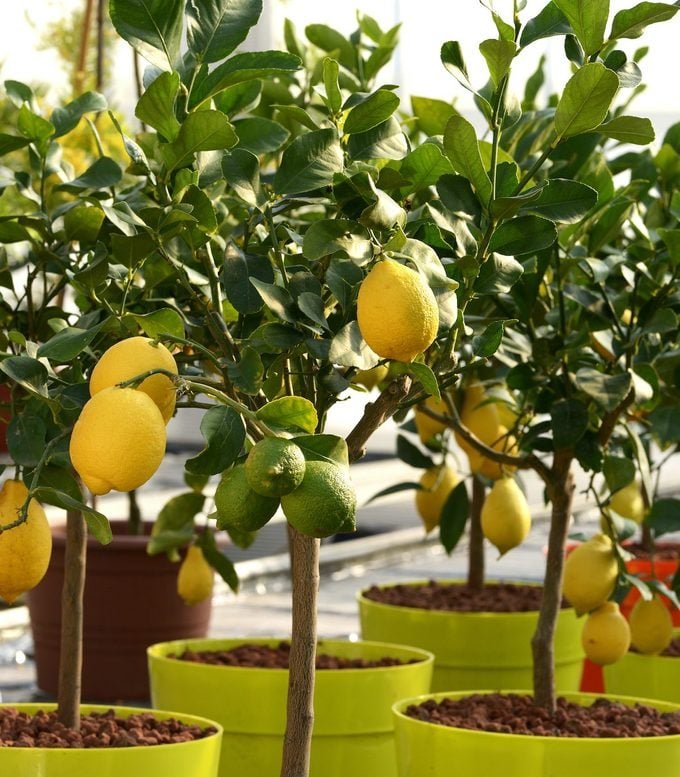
After 8–10 weeks, your cutting is ready for a bigger pot.
Transplanting Steps:
- Choose a pot of 8–12 inches with good drainage.
- Fill with nutrient-rich soil:
- 40% garden soil
- 30% compost
- 20% sand
- 10% cocopeat
- Gently transfer the plant without disturbing roots.
- Water thoroughly.
- Keep in partial shade for a week before moving to sunlight.
Long-Term Care for Your Lemon Tree
1. Sunlight
Lemons need 6–8 hours of daily sunlight once established.
2. Watering
- Water when the top 2 inches of soil feel dry.
- Do not overwater; lemons hate waterlogging.
3. Fertilization
Feed monthly with:
- Organic compost
- Cow manure
- NPK 6-6-6 or citrus fertilizer
- Epsom salt once every 2–3 months for magnesium
4. Pruning
Trim the plant to encourage branching and maintain shape.
5. Pest Management
Watch for:
- Aphids
- Mealybugs
- Leaf miners
Use neem oil sprays weekly.
When Will Your Lemon Tree Produce Fruit?
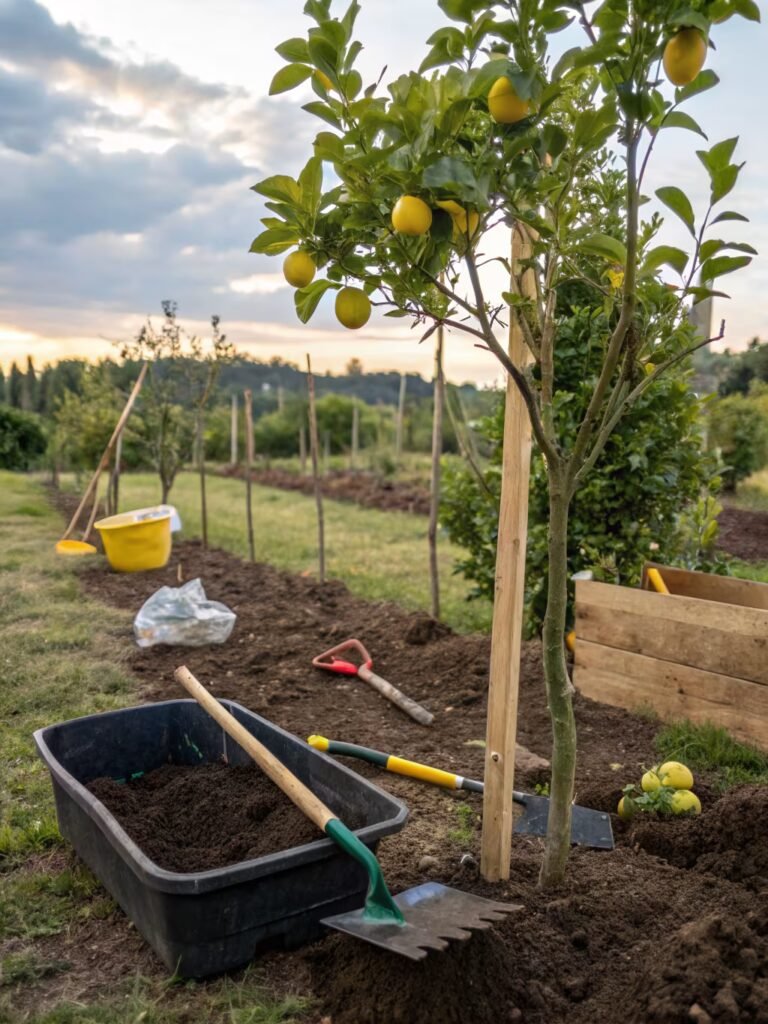
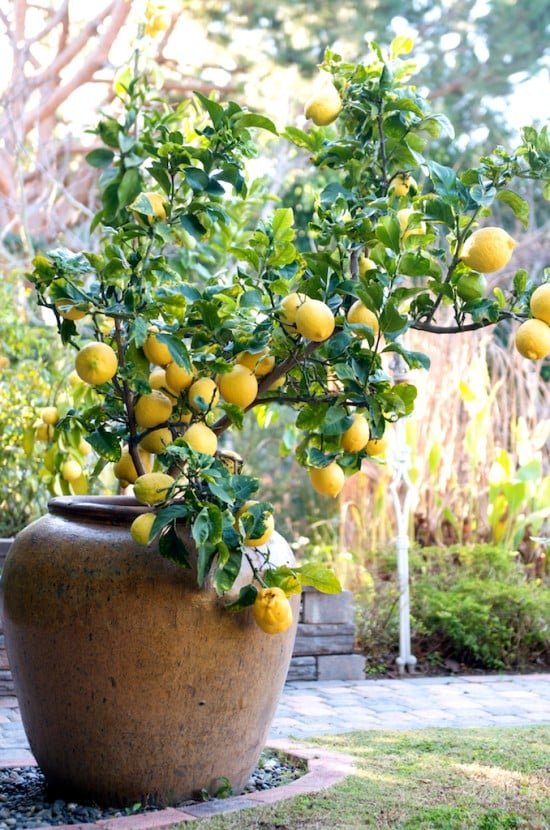
Cutting-grown lemon trees generally start fruiting in 12–24 months under good care.
You may see small flowers even earlier—congratulations, that means your propagation was successful!
Remove the first few fruits so the plant can divert energy to growth.
Final Thoughts
Growing lemon trees from cuttings is one of the smartest and most rewarding gardening techniques. It guarantees a strong, healthy plant that mirrors the parent tree and starts producing fruit much sooner than seed-grown lemons. With the right method, humidity, and care, you can turn a single stem into a thriving lemon tree full of fragrance and fruit.
Whether you garden in a balcony, terrace, or backyard, propagating lemons from cuttings is a skill that brings satisfaction and delicious results. Start today—and enjoy the joy of harvesting homegrown lemons sooner than you ever imagined! 🌱🍋