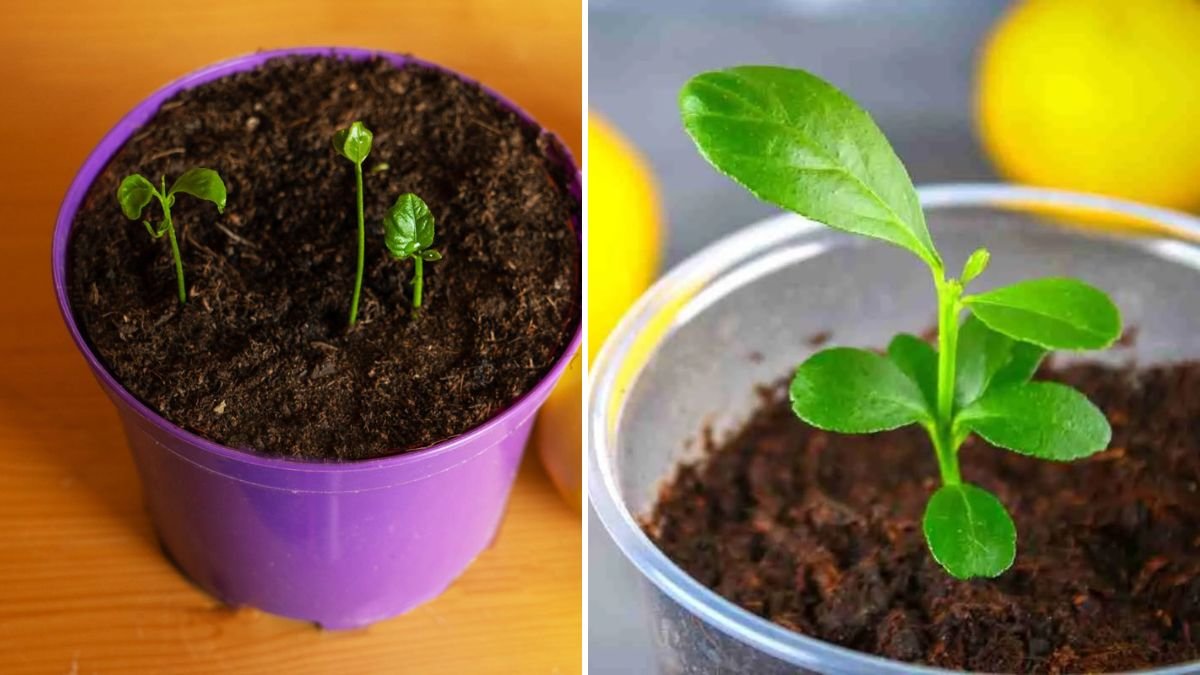
Growing lemon trees at home is an exciting and rewarding experience. The aroma of lemon blossoms, the fresh green foliage, and the tangy fruits make lemon trees one of the most beloved plants among gardeners. Whether you want to grow a lemon tree from seeds, cuttings, grafting, or air layering, the process is both simple and fascinating when you understand the basics.
In this detailed 1200-word guide, we explore all the best ways to grow lemon trees from different sources, what conditions they need, how to care for them, and how to avoid common mistakes. By the end, you will know exactly how to grow a strong, healthy lemon tree right in your garden or balcony.
Introduction: Why Grow Lemon Trees at Home?

Lemon trees offer several benefits:
- Fresh organic lemons
- Beautiful ornamental appearance
- Fragrant flowers
- Air purification
- Natural medicine
- Cost savings
- Satisfaction of growing your own fruit
Lemon trees are hardy and adaptable. They grow well in pots, gardens, balconies, and even indoor spaces with proper light. The key is choosing the right starting material and following proper techniques.
1. Grow Lemon Trees From Seeds (Simple But Slow Method)
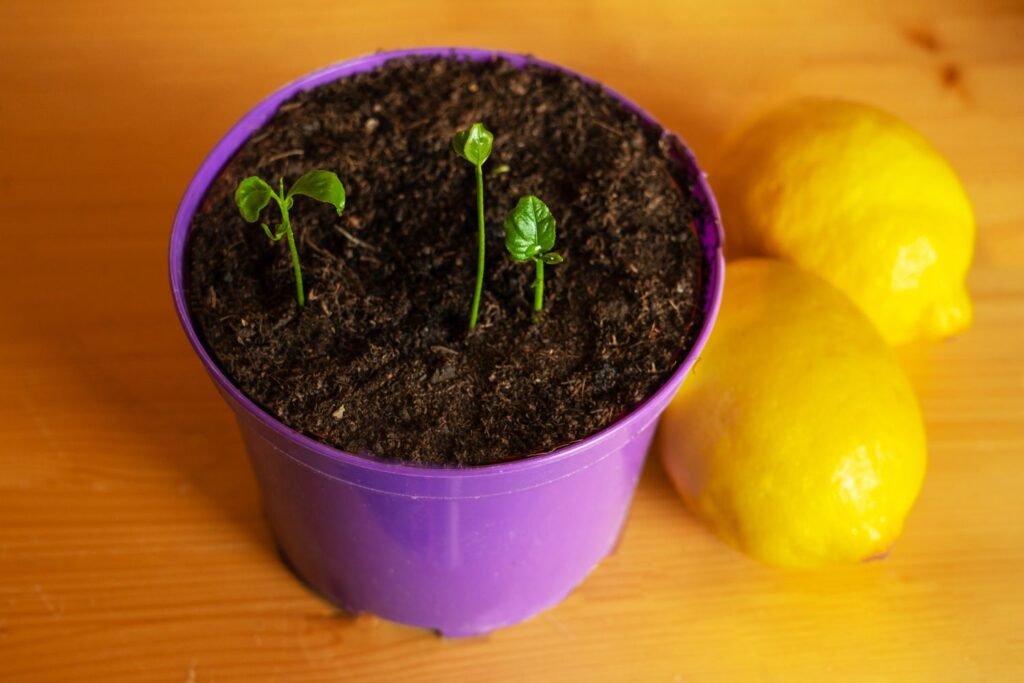
Growing lemon trees from seeds is the easiest method for beginners. You simply extract seeds from a fresh lemon, clean them, and plant them.
Steps
- Choose ripe lemons
- Remove seeds
- Wash off pulp
- Dry for 1–2 hours
- Plant in moist soil
- Keep in warm light
- Water lightly
Germination
Seeds germinate in 2–4 weeks.
Drawbacks
- Fruit quality may differ
- Trees take 4–7 years to fruit
- Plants may be weak
- Not true-to-type
Advantages
- Free
- Fun for children
- Easy
- Good for experiments
Seeds are good for learning, but not ideal for fruit production.
2. Grow Lemon Trees From Cuttings (Fast and Reliable)
Cuttings produce plants identical to the parent tree, ensuring high-quality fruit.
This is the most common method used by gardeners.
Step-by-Step Method
Step 1: Choose the Right Cutting
Use semi-hardwood branches
- 6–8 inches long
- Healthy
- 3–4 nodes
- Not too soft or woody
Step 2: Prepare the Cutting
- Cut at a 45° angle
- Remove lower leaves
- Keep 2 leaves at top
- Dip in rooting hormone
Hormone improves success rate dramatically.
Step 3: Planting Medium
Use a mix of:
- Sand
- Cocopeat
- Compost
Well-draining soil is essential.
Step 4: Maintain Humidity
Cover with a plastic bottle or bag.
This prevents dehydration and speeds up rooting.
Step 5: Lighting
Keep in bright, indirect sunlight.
Rooting Time
Roots appear in 4–8 weeks.
Cuttings grow faster than seeds and fruit earlier.
3. Grow Lemon Trees From Air Layering (Professional Technique)

Air layering produces strong plants with a ready root system.
It is one of the best methods for woody plants.
Advantages
- Very high success rate
- Strong roots
- Plants established quickly
- Fruit earlier
- Works for difficult varieties
How to Air Layer
- Choose a healthy branch
- Remove a 1-inch bark ring
- Apply rooting hormone
- Wrap with moist moss
- Cover with plastic
- Secure with twine
- Wait 4–6 weeks
When roots appear, cut below and pot.
4. Grow Lemon Trees From Grafting (Best for Quality)
Grafting combines:
- Rootstock (strong roots)
- Scion (fruiting branch)
This method is used commercially.
Benefits
- High fruit quality
- Disease resistance
- Fast fruiting
- Uniform plants
- Strong trees
Common Methods
- Budding
- Wedge graft
- Side graft
- T-budding
Grafting requires practice but delivers the best results.
5. Grow Lemon Trees From Suckers (Natural Method)
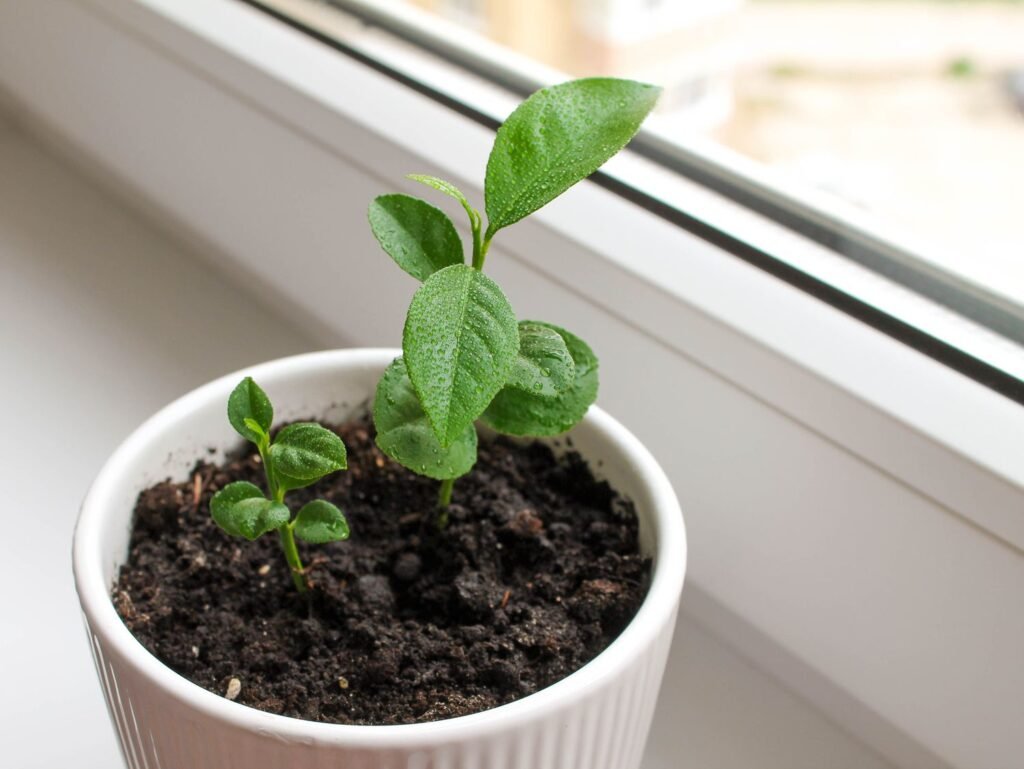
Some lemon trees produce shoots from roots called suckers.
These can be separated and planted.
Advantages
- Easy
- Natural
- No special tools
Disadvantages
- Root system may be weak
- Not ideal for fruiting
Useful for beginners.
6. Best Conditions to Grow Lemon Trees
Lemon trees need:
Sunlight
- Minimum 6 hours
- Prefer full sun
Water
- Keep soil moist
- No waterlogging
- Water deeply
Soil
- Well-draining
- Slightly acidic
- Rich organic matter
Temperature
- 20–35°C
- Protect from frost
7. Pot vs Ground Planting
In Pots
- Good for balconies
- Control over soil
- Easy to move
- Slower growth
In Ground
- Faster growth
- Larger trees
- Higher yields
- Strong roots
Both work well with proper care.
8. Lemon Tree Care After Propagation
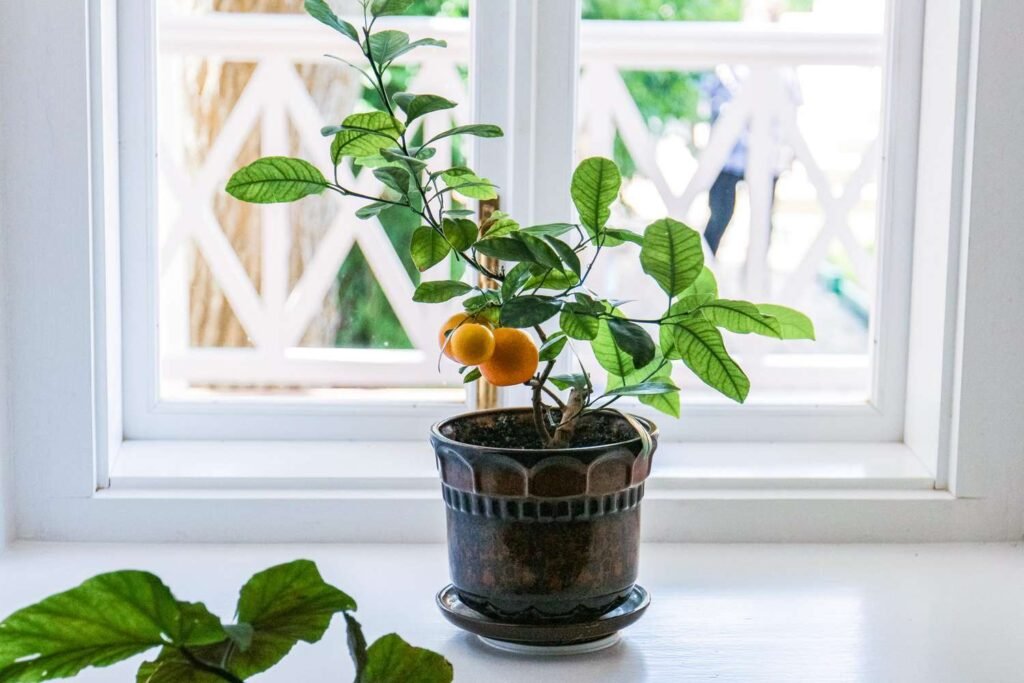
Once the plant roots:
Watering
Keep soil slightly moist.
Fertilizer
Feed every 4–6 weeks:
- Compost
- Vermicompost
- Organic citrus fertilizer
Avoid chemical fertilizer on young plants.
✅ Pruning
Prune when tree reaches 40–50 cm
Benefits:
- More branches
- Strong structure
- Better fruiting
- Air circulation
Pest Control
Common pests:
- Aphids
- Scale insects
- Whiteflies
- Mealybugs
Use organic sprays:
- Neem oil
- Soap water
- Garlic extract
9. When Will the Lemon Tree Bear Fruit?
| Method | Time to Fruit |
|---|---|
| Seeds | 4–7 years |
| Cuttings | 2–3 years |
| Air layering | 1.5–2 years |
| Grafting | 1–2 years |
Fastest: grafting and air layering
10. Common Mistakes When Growing Lemon Trees
Overwatering
Causes root rot.
Poor sunlight
Tree becomes weak.
Using heavy soil
Roots suffocate.
No pruning
Tree becomes tall and unproductive.
Incorrect cutting selection
Leads to failure.
Waiting too long for roots
Patience is key.
11. Tips for Growing Strong Lemon Trees
✅ Choose healthy parent plant
✅ Use clean tools
✅ Maintain humidity
✅ Keep soil airy
✅ Provide sunlight
✅ Fertilize regularly
✅ Protect from wind
✅ Prune for shape
✅ Keep pests away
12. Harvesting Lemons
Lemons are ready when:
- Colour changes
- Fruit feels firm
- Aroma is strong
Harvest gently to avoid damaging branches.
Conclusion: Grow Lemon Trees From Any Method – But Choose the Best
Growing lemon trees is easy when you understand the techniques.
You can grow lemons from:
- Seeds
- Cuttings
- Air layering
- Grafting
- Suckers
Each method has advantages, but cuttings, air layering, and grafting give the best results.
With proper sunlight, water, and care, your lemon tree will reward you with fragrant blossoms and juicy fruits.
Growing lemons is not just gardening—it is a sustainable lifestyle and a beautiful connection with nature.