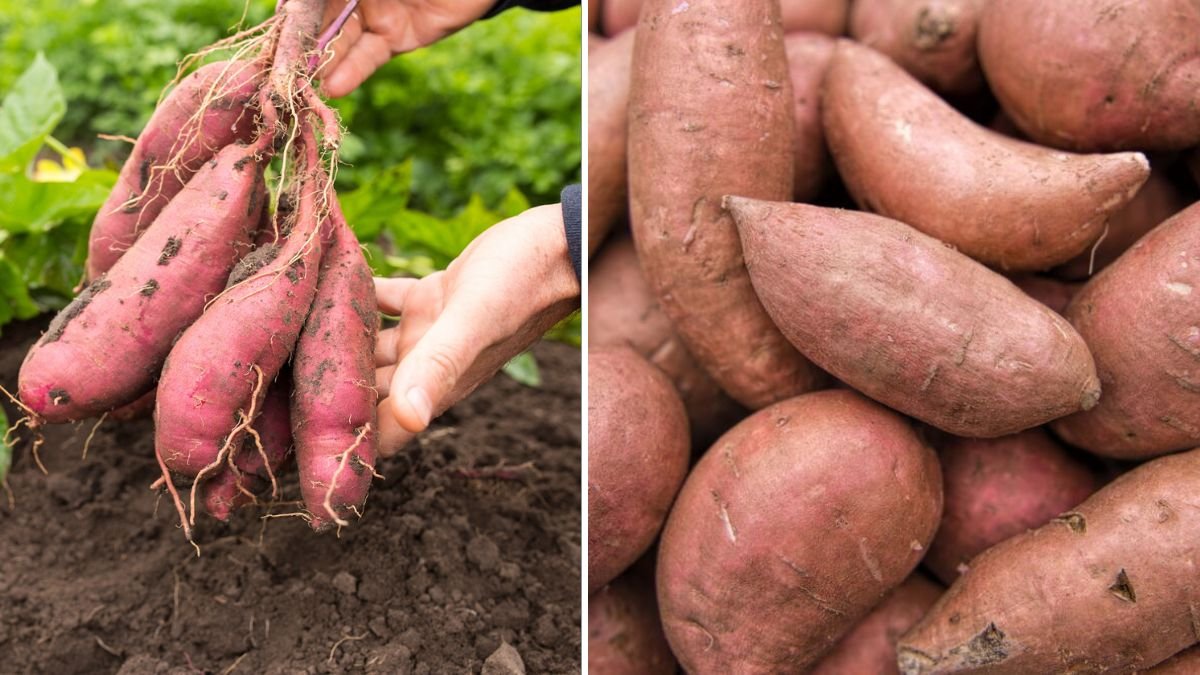
Sweet potatoes grow exceptionally well in plastic tubs. This method allows control over soil and moisture. It works in small spaces and urban homes. Sweet potatoes need loose soil and warmth. Plastic tubs provide ideal conditions. Container growing reduces pests. It also improves tuber shape and size. With care, high yields are possible.
Why Plastic Tubs Work for Sweet Potatoes
Plastic tubs are deep and spacious. They allow tubers to expand freely. Tubs retain warmth, aiding root development. Drainage can be customized easily. They protect crops from soil diseases. Plastic tubs are reusable and affordable. This method improves yield quality. Tub gardening simplifies sweet potato care.
Choosing the Right Plastic Tub
Select a tub at least 40–45 centimeters deep. Wider tubs allow more tuber growth. Avoid shallow containers. Use strong, thick plastic. Clean the tub thoroughly before planting. Light-colored tubs reduce overheating. Large tubs produce more roots. Container size matters greatly.
Preparing Drainage Holes
Drill several holes at the bottom of the tub. Drainage prevents waterlogging. Place stones or gravel at the base. Good drainage avoids tuber rot. Excess water must escape easily. Raise tubs slightly above ground. Proper airflow helps root health. Drainage is essential for success.
Best Soil Mix for Sweet Potatoes
Sweet potatoes need loose, sandy soil. Mix garden soil with sand and compost. Avoid heavy clay soil. Soil must drain well. Organic matter improves nutrition. Loose soil allows tubers to grow large. Healthy soil ensures smooth roots. Good preparation increases yield.
Selecting Sweet Potato Slips
Sweet potatoes grow from slips, not seeds. Choose healthy slips with strong roots. Avoid weak or damaged slips. Local varieties perform best. Disease-free slips ensure healthy plants. Slips establish quickly in warm soil. Quality planting material matters. Good slips lead to better harvests.
Planting Sweet Potato Slips
Plant slips gently into the soil. Bury roots fully but leave leaves exposed. Space slips properly. Water immediately after planting. Proper spacing avoids competition. Correct planting encourages root growth. Gentle handling prevents damage. Strong starts ensure success.
Sunlight Requirements
Sweet potatoes love sunlight. Provide six to eight hours daily. Place tubs in a warm location. Rotate tubs if needed. Insufficient light reduces tuber size. Sunlight boosts vine growth. Warm conditions improve yield. Light is crucial for tuber formation.
Watering Sweet Potatoes
Water regularly but lightly. Avoid waterlogging the soil. Allow topsoil to dry slightly between watering. Morning watering is best. Overwatering causes root rot. Consistent moisture supports growth. Balanced watering improves tuber size. Simple routine works best.
Mulching for Healthy Roots
Mulch protects soil moisture. It prevents soil overheating. Organic mulch improves soil quality. Mulching reduces weeds. It stabilizes soil temperature. Healthy soil promotes tuber development. Mulch supports steady growth. Mulching is highly beneficial.
Fertilizing Sweet Potatoes
Use compost or organic fertilizer. Avoid excess nitrogen. Too much nitrogen promotes vines only. Balanced feeding supports root development. Feed lightly every few weeks. Potassium improves tuber size. Correct nutrition increases yield. Simple feeding works best.
Managing Vine Growth
Sweet potato vines grow vigorously. Guide vines gently within the tub. Avoid burying vines repeatedly. Excess vine rooting reduces tuber size. Light pruning may help. Proper vine management improves root growth. Control vines carefully. Focus energy on tubers.
Pest Control in Containers
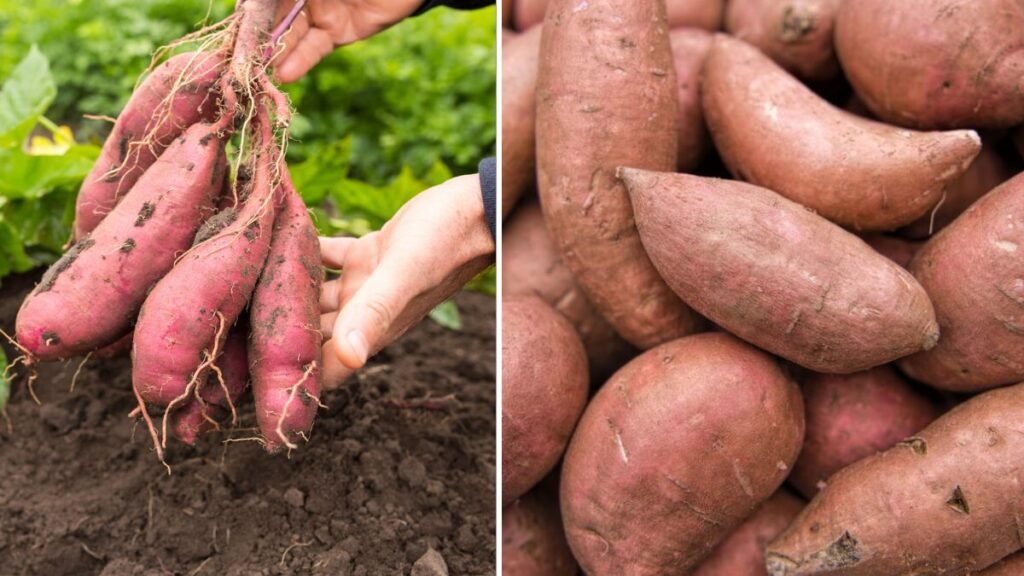
Sweet potatoes face fewer pests in tubs. Watch for insects on leaves. Hand removal works well. Neem oil helps if needed. Healthy plants resist pests. Clean soil reduces problems. Early action prevents damage. Natural methods are effective.
Disease Prevention
Ensure good drainage always. Avoid overcrowding. Remove diseased vines promptly. Use clean tools. Healthy soil reduces disease risk. Proper airflow prevents fungus. Prevention is easier than cure. Clean practices ensure healthy plants.
Harvesting Sweet Potatoes
Harvest after three to four months. Leaves begin to yellow. Stop watering before harvest. Dig gently to avoid damage. Harvest in dry weather. Careful harvesting preserves tubers. Proper timing ensures big roots. Fresh sweet potatoes taste best.
Curing Sweet Potatoes
Curing improves sweetness and storage life. Keep tubers in warm, dry place. Cure for one to two weeks. Avoid washing immediately. Proper curing heals skin. Cured tubers store longer. This step improves quality. Do not skip curing.
Storing Sweet Potatoes
Store cured tubers in cool, dry place. Avoid refrigeration. Use ventilated baskets or boxes. Keep away from sunlight. Check regularly for spoilage. Proper storage extends shelf life. Container-grown tubers store well. Storage preserves harvest.
Sweet Potato Growing Summary Table
| Aspect | Best Practice | Benefit |
|---|---|---|
| Container | Deep plastic tub | Large tubers |
| Soil | Loose and sandy | Smooth roots |
| Water | Moderate and consistent | Prevents rot |
| Light | Full sunlight | Higher yield |
Common Mistakes to Avoid
Overwatering causes rot. Shallow containers limit growth. Excess nitrogen reduces tubers. Poor drainage ruins crops. Insufficient sunlight lowers yield. Rough harvesting damages roots. Skipping curing reduces quality. Avoiding mistakes ensures success.
Conclusion
Growing sweet potatoes in plastic tubs is simple and productive. Proper container size and soil are essential. Balanced watering and feeding support healthy growth. Vine management improves tuber size. Harvesting and curing ensure quality roots. Plastic tubs make sweet potato growing accessible. Anyone can grow big and many roots at home. This method is perfect for small spaces.