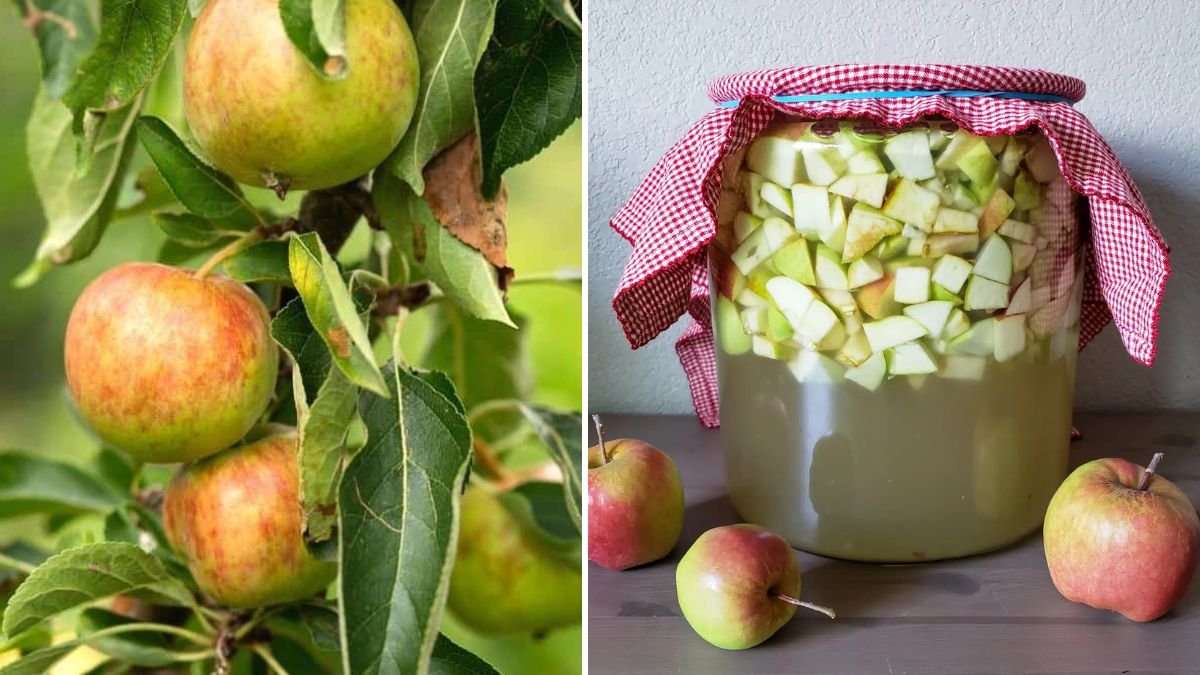
Growing an apple tree may sound like a dream reserved for large orchards and cold climates, but the truth is this: you can successfully grow an apple tree right at home, even in containers, if you understand the right method. Apple trees are surprisingly adaptable and incredibly rewarding. Their fragrant flowers, fresh fruits, and beautiful shape make them a long-term investment for any gardener.
Whether you’re a beginner or an experienced grower, this guide will walk you through everything—from seed or sapling selection, soil preparation and care, watering, fertilizing, pruning, and pest control—to help you grow a healthy, fruit-bearing apple tree right at home.
Let’s begin your apple-growing journey!
Why Growing an Apple Tree at Home Is Worth It
Apple trees are not only delicious but also:
- Long-living trees (can produce fruit for decades)
- Beautiful and fragrant during spring flowering
- Resistant to many climate conditions
- Easy to maintain with the right method
- Healthy fruit providers full of fiber, antioxidants, and vitamins
Growing your own apples means enjoying pesticide-free, organic harvests right from your garden.
Step 1: Choosing the Right Apple Variety
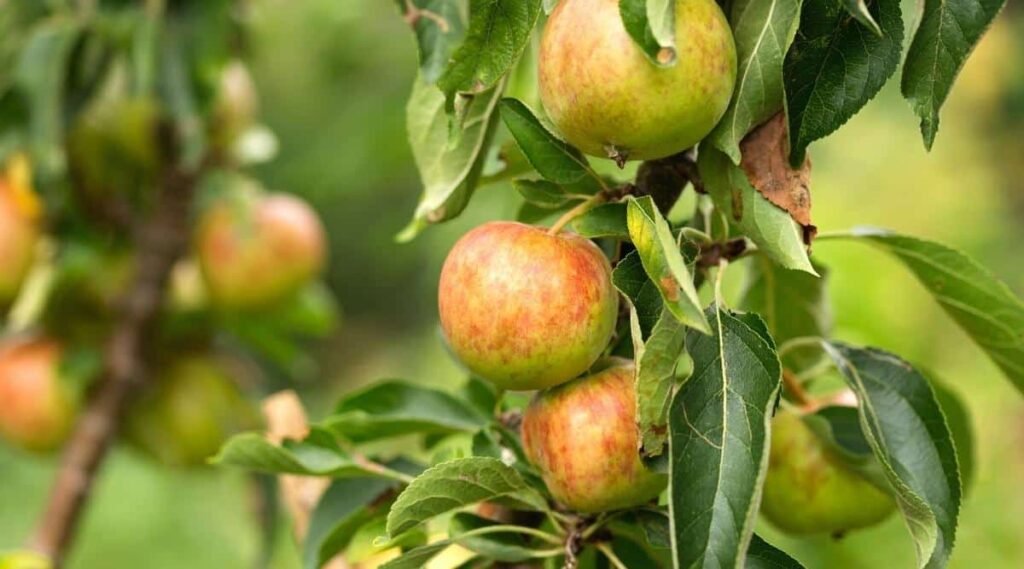
This is the most important step. Apple trees need the correct variety depending on your climate.
For cold climates (Himachal, Kashmir, Uttarakhand):
- Red Delicious
- Royal Gala
- Fuji
- Granny Smith
- Honeycrisp
For warm climates (Maharashtra, Gujarat, South India):
Choose low-chill apple varieties:
- Anna
- Dorsett Golden
- Parlin’s Beauty
- Tropical Beauty
Warm-climate varieties require fewer chilling hours, meaning they can fruit even in places where winters are mild.
Step 2: Seed or Sapling – What Should You Grow?
Growing from seed:
Fun but slow. Apples from seed do not produce true-to-type fruit. It takes 6–10 years to fruit and results are unpredictable.
Growing from grafted saplings (recommended):
- Fruits in 2–4 years
- Guaranteed fruit quality
- Strong rootstock
- Improved disease resistance
Therefore, for home gardening, buy a grafted apple plant from a reliable nursery.
🪴 Step 3: Planting Apple Trees – Pot or Ground?
You can grow apples in both:
Growing in the Ground
- Dig a 2×2×2 ft pit
- Mix the soil with compost and sand
- Leave for 10–15 days before planting
Growing in Pots (Best for Small Gardens)
Choose:
- Minimum 24–30 inch pot
- Grow bag (40–50 liters)
This size gives enough space for deep root growth.
Step 4: Ideal Soil Mix for Apple Trees
Apple trees prefer well-drained, fertile soil.
Best soil mix:
- 40% garden soil
- 30% compost (cow dung/vermicompost)
- 20% coco peat
- 10% sand or perlite
Add:
- 1 tsp bone meal
- A handful of neem cake
This improves flowering, boosts root development, and prevents fungal diseases.
Step 5: Watering Apple Trees the Right Way
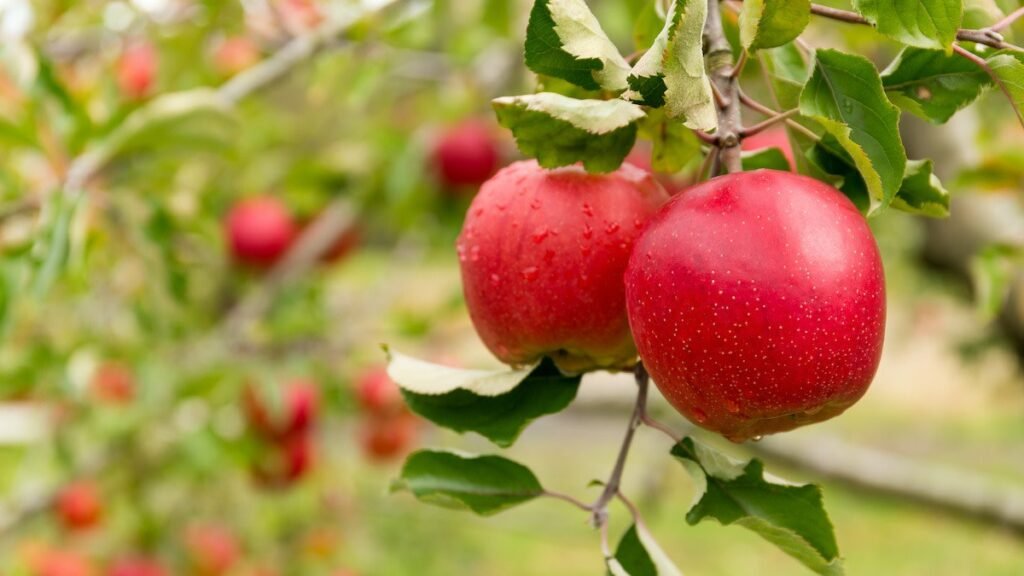
Overwatering is the biggest reason apple trees fail.
Watering rules:
- Water only when the top 2–3 inches are dry
- Deep watering is better than frequent light watering
- Avoid waterlogging at all costs
In pots:
Water 2–3 times a week during summer
Less during winter
In ground:
Water once a week but deeply.
Step 6: Sunlight Requirements
Apple trees need full sunlight.
👉 6–8 hours of direct sunlight is essential
Without enough light, flowering and fruiting reduce drastically.
If you’re growing apples in warm climates, protect them from harsh afternoon sunlight using:
- Shade net (30%)
- Placement near a taller plant
- Mulching around the base
Step 7: Fertilizing Apple Trees Month by Month
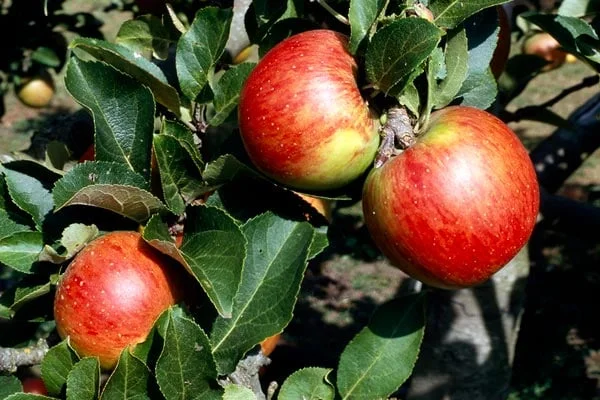
Apple trees are heavy feeders. Follow this simple schedule:
During the Growing Season (Feb–Oct)
Every 30 days:
- 2–3 handfuls of vermicompost
- 1 handful bone meal
- ½ handful neem cake
- 1 cup ash (for potassium)
Every 15 days:
- Seaweed solution
- Jaggery water (to boost soil microbes)
- Banana peel fertilizer (for flowering)
Winter (Dormant Season – Nov–Jan)
Do not fertilize.
Only water lightly.
Let the plant rest—this helps flower buds develop for the next season.
Step 8: Flowering and Fruit Formation Guide
Apple trees bloom in late winter to early spring.
To encourage flowering:
- Reduce nitrogen (less leafy growth)
- Increase phosphorus and potassium
- Ensure full sunlight
- Avoid pruning during flowering
- Maintain slightly cool temperatures
During fruiting:
- Avoid heavy watering (fruits may crack)
- Support branches if they carry heavy fruit
- Protect fruits using paper bags (optional)
Step 9: Pruning—The Secret to Big Apple Harvests
Pruning increases:
- Air circulation
- Sunlight exposure
- Flower production
- Fruit size
Best pruning time:
Late winter (just before spring)
What to prune:
- Dead branches
- Cross branches
- Weak, thin stems
- Shoots growing straight upward
Aim for an open center shape—this helps every branch get sunlight.
Step 10: Pest & Disease Control (Organic Methods)
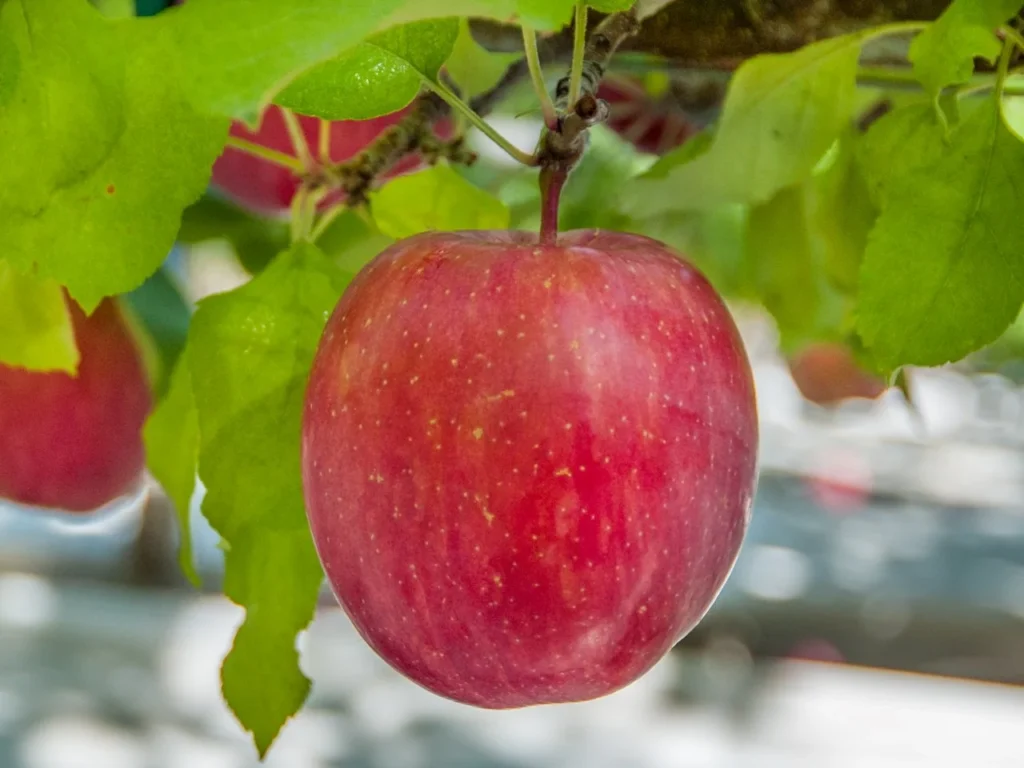
Common issues:
Fungal spots
Use neem oil spray (5 ml per liter)
Aphids
Spray soap water (1 tsp liquid soap per liter)
Caterpillars
Pick manually or use Bt spray
Powdery mildew
Spray baking soda + water (1 tsp per liter)
Spray once every 15 days for prevention.
Growing Apple Trees from Seeds (Optional Section)
If you want to grow apples from seeds just for fun:
- Extract seeds from a ripe apple
- Wash and dry them
- Chill them in the fridge for 30–40 days wrapped in tissue
- Plant in small pots with light soil
- Keep moist and warm
- Transplant after 6–8 months
Remember, seed-grown apples take many years and may not resemble the parent fruit.
🪵 Mulching: A Powerful Trick for Healthy Apple Trees
Mulch helps in:
- Moisture retention
- Temperature regulation
- Weed prevention
- Faster root development
Best mulches:
- Dry leaves
- Sugarcane bagasse
- Wood chips
- Straw
Keep a 1–2 inch layer around the tree but away from the trunk.
Training Apple Trees for Maximum Fruit Production
The most productive shape:
Open Center (Vase Shape)
Benefits:
- Better sunlight
- Less fungal infection
- Stronger branches
Tie young branches outward using soft rope for proper shaping.
Harvesting Apples
Apples are ready to harvest when:
- Color is rich and uniform
- Fruit detaches easily when twisted
- Aroma is sweet
- Seeds inside turn brown
Harvest gently to avoid bruising.
Store in a cool, dry place.
Common Problems and Simple Solutions
Leaves turning yellow
✔ Water only when needed
✔ Improve drainage
No flowers
✔ Add bone meal + banana peel fertilizer
✔ Ensure full sun
Fruit dropping early
✔ Reduce watering
✔ Provide potassium (wood ash or banana peel tea)
Leaves curling
✔ Check for aphids
✔ Use neem spra
Final Thoughts: Growing an Apple Tree Is Easier Than You Thin
With the right variety, proper care, sunlight, and simple organic practices, anyone can enjoy home-grown apples—sweet, juicy, and fully natural.
You don’t need a huge garden.
You don’t need cold weather.
You don’t need expensive fertilizers.
All you need is:
- A good grafted variety
- Proper soil and sunlight
- A little patience
- Monthly care
And your apple tree will reward you with beautiful blossoms and baskets of fresh fruits year after year.